
Liquid to lime: cave secrets to an ancient climate and the age of early hominins
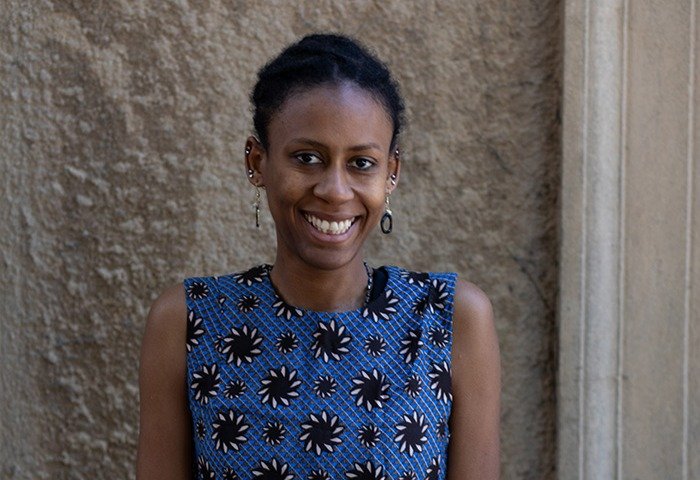
Kenyan geologist Georgina Luti is breaking new ground. She is the first African woman to pursue a doctorate in the techniques of using rock dating to understand human evolution. Two long-dead lines in our human family tree — the Paranthropus cousins, P robustus and P. boisei — are the central characters in her study, and two undated cave sites at the Cradle of Humankind are the stages upon which this drama unfolds.
Written by: Leonie Joubert
Photographs by: Sam Reinders
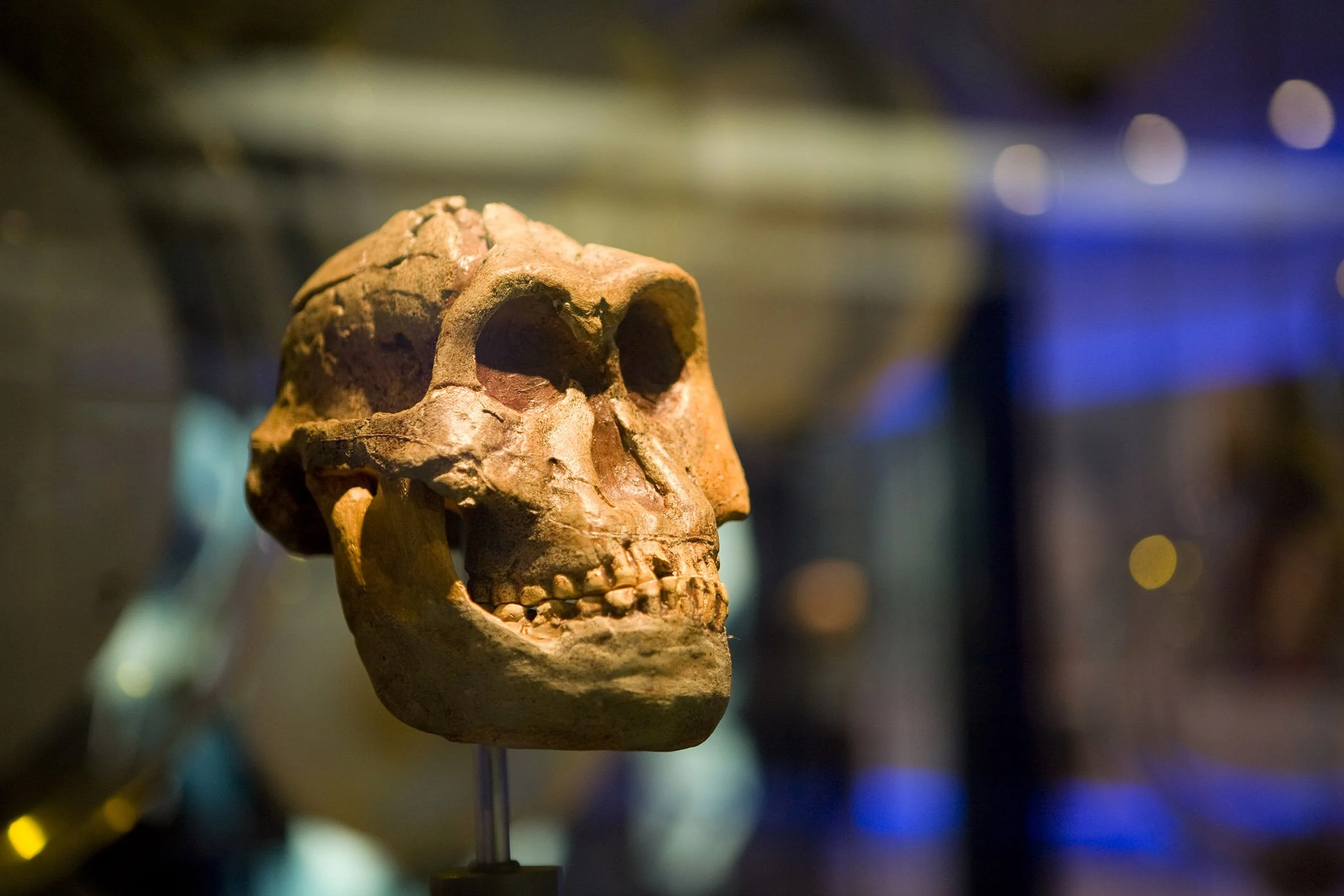

They’re close cousins. They were mostly vegetarian, which their heavy-set jaws and pronounced molars attest to. One of the families lived in eastern Africa and is nicknamed ‘nutcracker man’ because of their distinctly enlarged tooth behind their canines. The other lived in southern Africa, just outside what is modern-day Johannesburg, and might well have had a taste for termites, in addition to a penchant for bulbs, nuts, fruit and other woody edibles.
Georgina Luti is intrigued by these similarities but is not satisfied with the little that we know about these kin of ours, who are relatively close to us on the hominin family tree.
It’s the flowstones in two specific caves at the Cradle of Humankind, in South Africa, that the Kenyan geologist hopes will give us greater insight into the similarities between these two long-dead families. What was the climate like back then, in the time between 2.2 million and 1 million years ago, when at least one of the families roamed a part of southern African that was changing from warm, wet woodland into drier, grassy savannah.
The key to understanding these questions, both what the environment was like and the relationship between the different branches of Paranthropus, goes back to knowing how old the rocks and fossils preserved in the caves are. The fossils are too old to be dated themselves; something like radiocarbon cannot work on these million-year-old bones, so the next best option is to date the rocks around them.
The Cradle of Humankind has the world’s single richest hominin fossil locality, holding a unique record of the human family’s long-dead relatives. Of the 12 key sites, six of them have yielded Paranthropus. Two of these caves remain undated: Gondolin and Kromdraai. Luti’s work aims to date these sites and answer a few more questions about the world in which the Paranthropus family lived, thrived, and ultimately died.
‘Studies suggest that Australopithecus and Paranthropus robustus lived alongside each other, when the climate across the region was wetter and cooler,’ she explains. ‘But then the climate warmed and dried. The proposed theory is that Paranthropus was better adapted to surviving in a landscape that was changing from woodland to savannah. Its jaws and teeth were better adapted to living in the savannah and grasslands.’
Many questions remain. Australopithecus went extinct, while Paranthropus continued to thrive. What did this part of the world — Southern Africa — look like at the time, Luti wants to know, and how would it have differed from Eastern Africa where Paranthropus boisei lived?
Triangulating ancient climate, the caves’ age, and the vegetation type
Today, these caves probably don’t look anything like the vaulted and tunnelled spaces that our earlier relatives’ remains found their way into, either by falling in, or being dragged there by predators such as leopards. Two or so million years ago, these cavernous spaces were likely a series of vertical shafts and passages. Animals using the caves might have come and gone through a mouth that may have been much like a natural doorway.
Over so many millions of years, the caves would have changed dramatically, as some parts eroded open, and other parts sediment piled up, and as the entrances widened but filled with material.
After so much natural wear and tear, and some modern-day mining pressures, these sites aren’t your typical cave, Luti explains. They’re old, eroded, and have been dramatically altered by recent efforts to mine calcium carbonate deposits.
‘These are remnants of caves, and the roofs have eroded’ Luti explains. ‘They’re just holes in the ground now. Getting into them is like walking down into a cavity.’
The walls of the caves, though, have well-preserved deposits: layers of flowstones — the limestone rock that forms when water that’s high in calcium carbonate seeps down into the cave, and cements into rock — sandwiched in between layers of sediment.
Luti began chipping and coring out rock samples in the caves in 2023, at the start of her doctoral studies with the Department of Geological Sciences at the University of Cape Town (UCT) and the Human Evolution Research Institute (HERI).
She took samples from the base of the layers, the middle section and towards the top of the caves, to have samples to date representing rocks over as wide a time period as possible.
‘Luti is working on extracting and measuring the amounts of uranium and lead present in these rock samples today, as these two elements and the ratio between them today are key to working out how old the rocks are,’ explains HERI co-director, Dr Robyn Pickering.
‘The uranium locked into individual calcite crystals as the flowstones form in the caves is radioactive and begins its long slow decay into lead. In a just a few million years, there is more lead and less uranium.’
In particular, the decay of uranium-238 into lead-206 happens at a different speed to the decay of uranium-235 into lead-207. The ratios of these isotopes are the key to calculating accurate dates and require careful extraction from the host rocks.
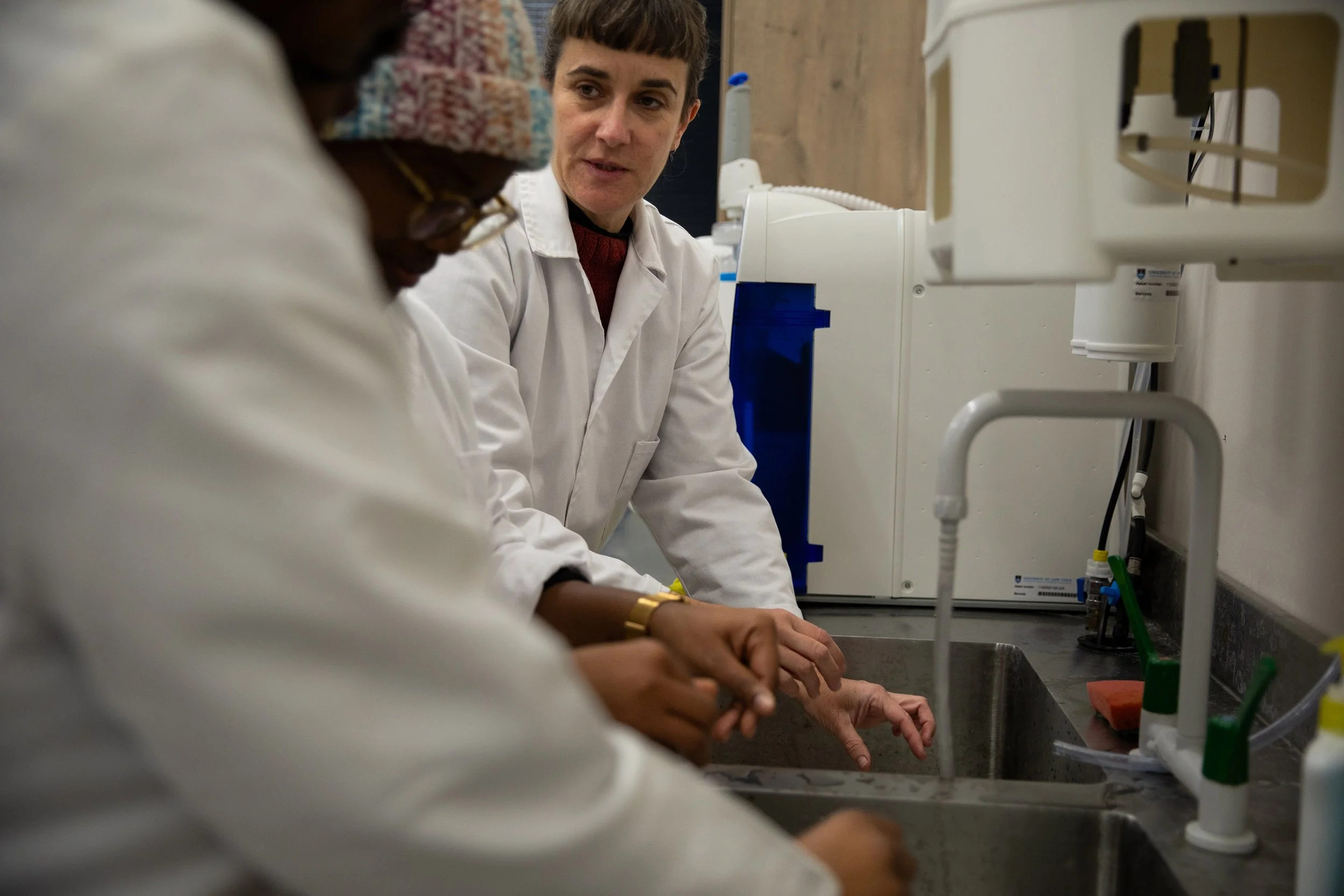
Because of this, Pickering says, Luti needs to work in an ultra-clean laboratory.
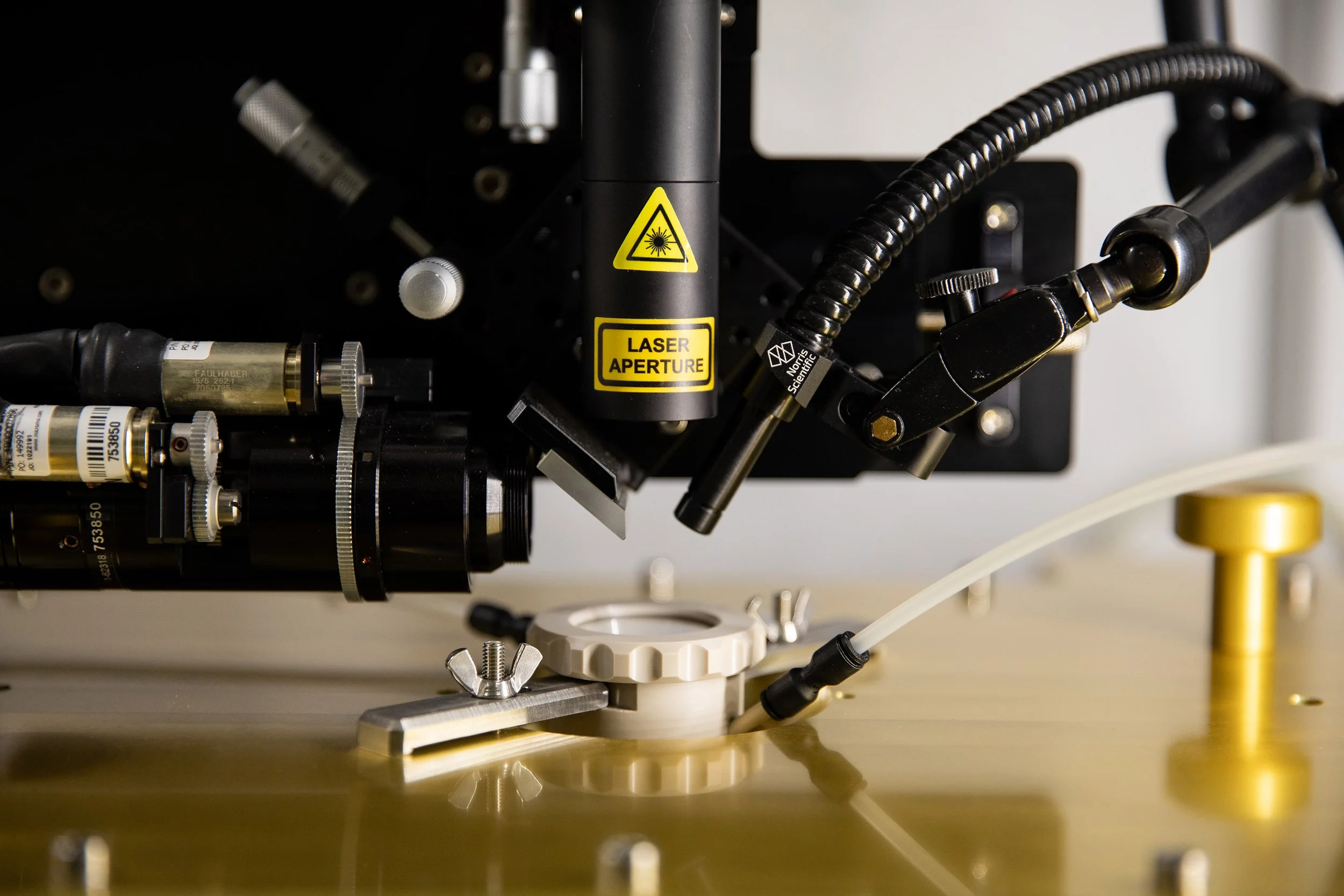
‘All the previous work using uranium-lead dating on the rocks of the Cradle was done in state-of-the-art laboratories in Switzerland and Australia, but Luti is working in the new, high tech laboratory space at UCT. Here there is a new generation high resolution mass spectrometer called the Attom, which can measure uranium and lead simultaneously, a huge advancement from the older generation machines which required days to analyse what can now be done in an hour or two. By dating the flowstone layers at the base, middle and top of the fossil bearing sequences, Luti is filling in what we don’t know about the age of Paranthropus from the Cradle.’
Luti is regarded by her colleagues as a trail blazer in the field. So much of our knowledge of hominin evolution comes from the fossil and rock studies in countries like Kenya and South Africa.
‘But very few Kenyans and South Africans have carried out these studies and benefited from leading the research. As an African researcher, Georgina represents an important advance in the breadth of our field. As far as we know, she will be the first Kenyan woman to receive a doctorate in the geochronology of human evolution which is a remarkable achievement’.

Of atoms and planets
It is perhaps the different scales across which Luti is working that best demonstrate the wonder that drew her to the field when she first encountered geology as a field of study in her first year at the University of Nairobi, Kenya. The rock samples she’s working with only amount to a few grams of material. But they hold within their elements the secrets to the state of a planet two million years ago. The same laws of physics that allow her to unlock these secrets from the past are the very same forces that allowed this planet to take shape as it spun through space and become the place of abundant life that it is today, where our early ancestors could roam, and where we could exist and discover their remains.