
Opportunities
2-year Postdoctoral Research Fellowship
The BIOGRIP Node for Soil and Water , based at the Central Analytical Facility at Stellenbosch University, seeks applicants for a Postdoctoral Research Fellowship that involves setting up and use of Gamma spectrometer for analysis of radionuclides in the Onrus wetland.
Communications and Relationship Manager for BIOGRIP at the University of Cape Town
BIOGRIP seeks applications for the position of Hub Communications and Relationship Manager, a 3-year contract position that will be based at UCT and will report to the BIOGRIP Director.
Lecturer: Department of Environmental and Geographical Science at the University of Cape Town
The successful candidate will be expected to teach at both undergraduate and postgraduate levels, supervise postgraduate research, sustain their own research and publication focus while also taking up administrative portfolios in the department.
Postdoctoral Research Fellowship in Isotope Hydrogeology: Radon in groundwater
The BIOGRIP Water and Soil Node seeks a postdoctoral researcher in hydrogeology to join a research project focused on understanding groundwater systems in the Western Cape through the use of environmental isotopes, including radon, stable water isotopes, and other tracers.
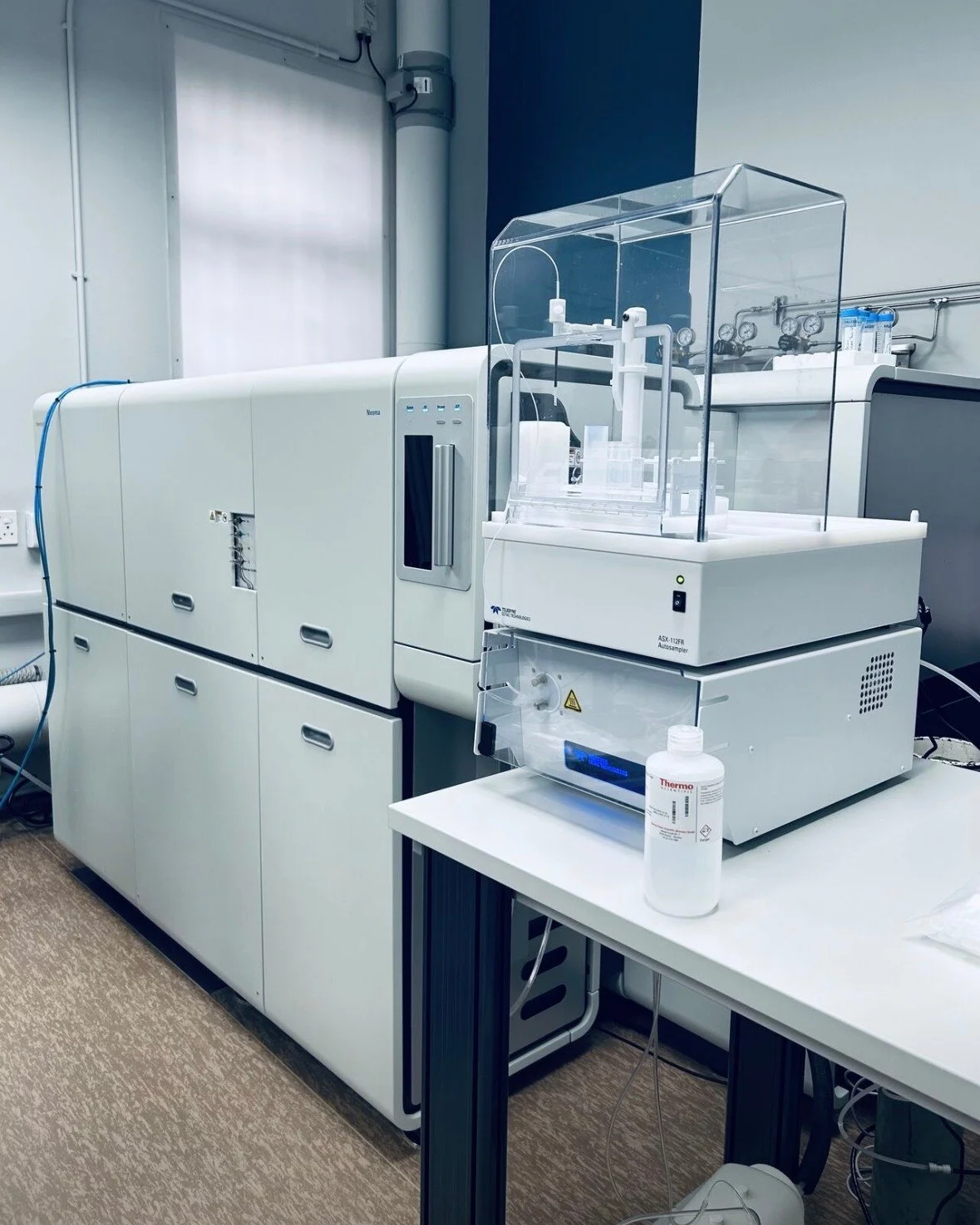
2-day Course: Isotope Geochemistry and Instrumental Applications workshop
Stellenbosch University will host a 2-day workshop on Isotope Geochemistry and Instrumental Applications from 1 to 3 December 2025, covering topics such as radiogenic and stable isotope systems, trace element analysis, and dating techniques.
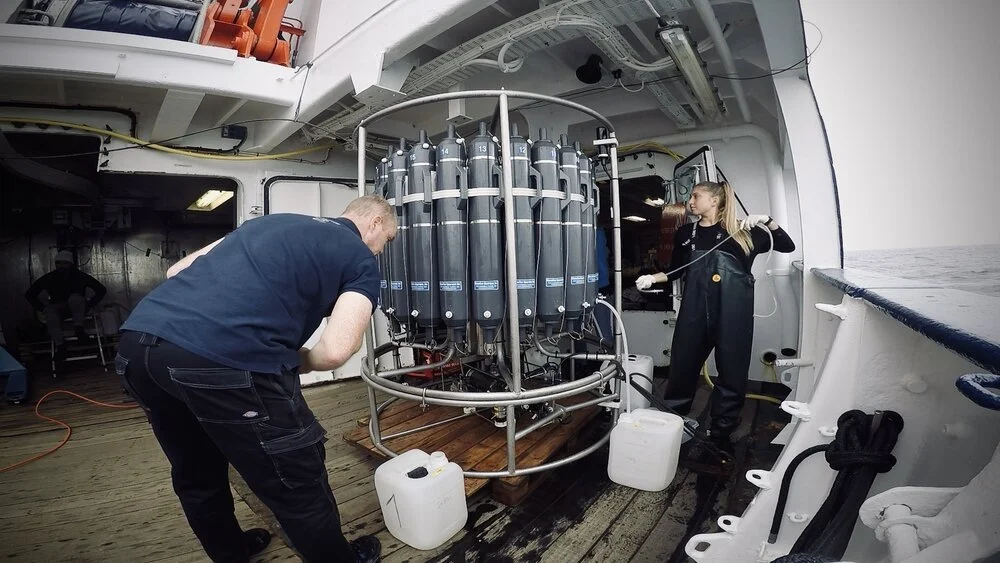
Call for applications: Junior Research Fellow: Marine Isotope Biogeochemistry
The Marine Biogeochemistry Laboratory at UCT seeks an applicant with experience in analytical marine biogeochemistry and isotope geochemistry to play a leading role in new interdisciplinary research projects.
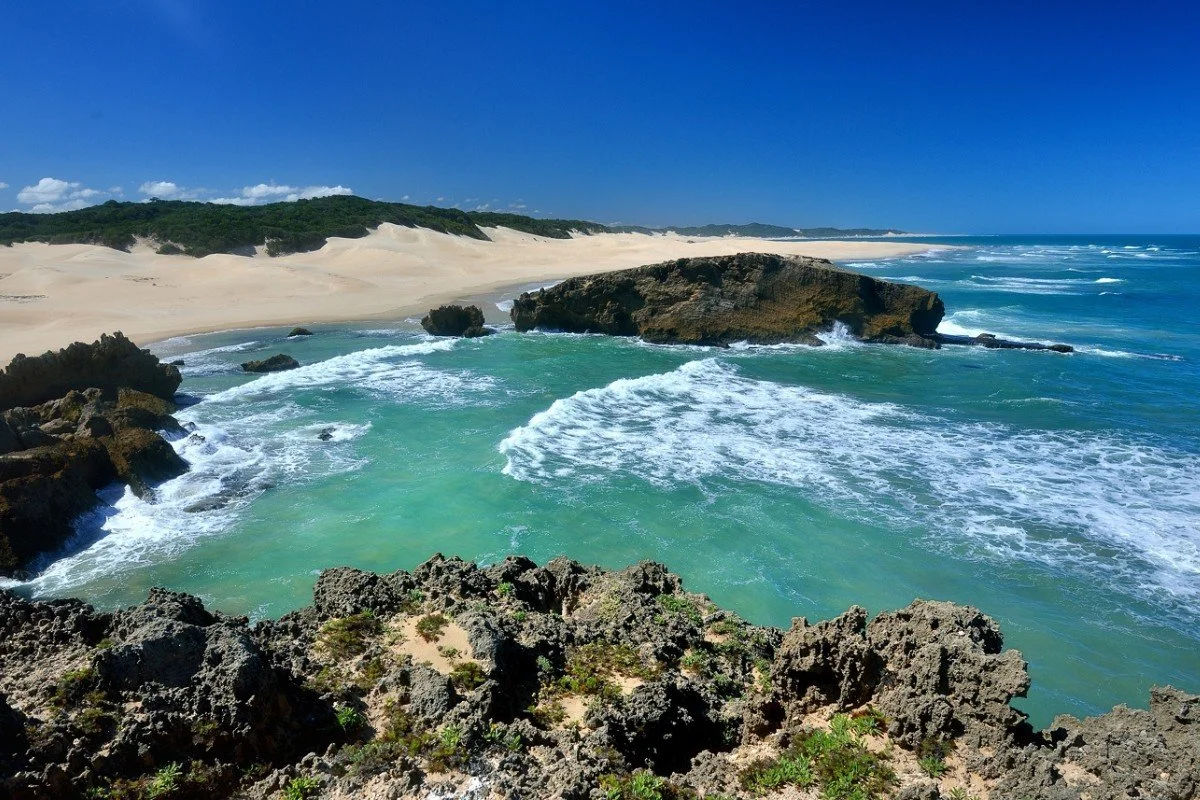
Call for applications: Chief Scientific Officer (Oceanography) at the Marine Biogeochemistry Lab at the University of Cape Town
This role will take responsibility for the operation and maintenance of the denitrifier-isotope ratio mass spectrometry (denitrifier-IRMS) facility in the Marine Biogeochemistry Laboratory at UCT, and overseeing day-to-day isotope sample preparation and analyses.
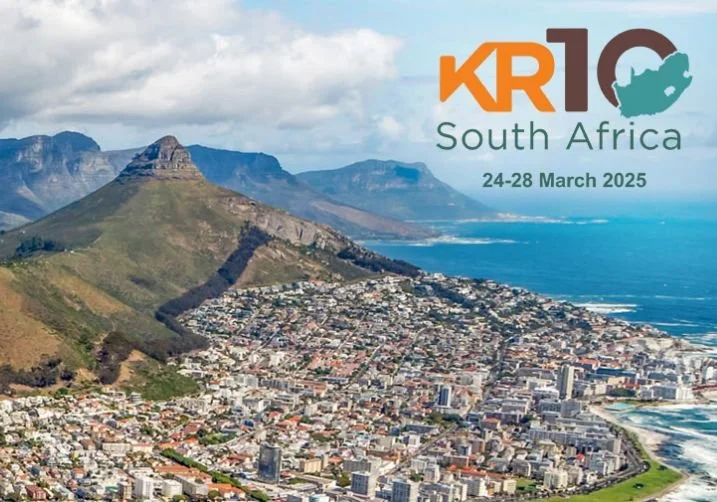
10th International Climate Change: The Karst Record (KR10)
The "Climate Change: The Karst Record" (KR) conference series is an international scientific meeting focused on understanding climate change through the study of karst systems such as caves, which provide valuable climate records. It will be held from 24 - 28 March 2025 at the Breakwater Lodge in Cape Town.
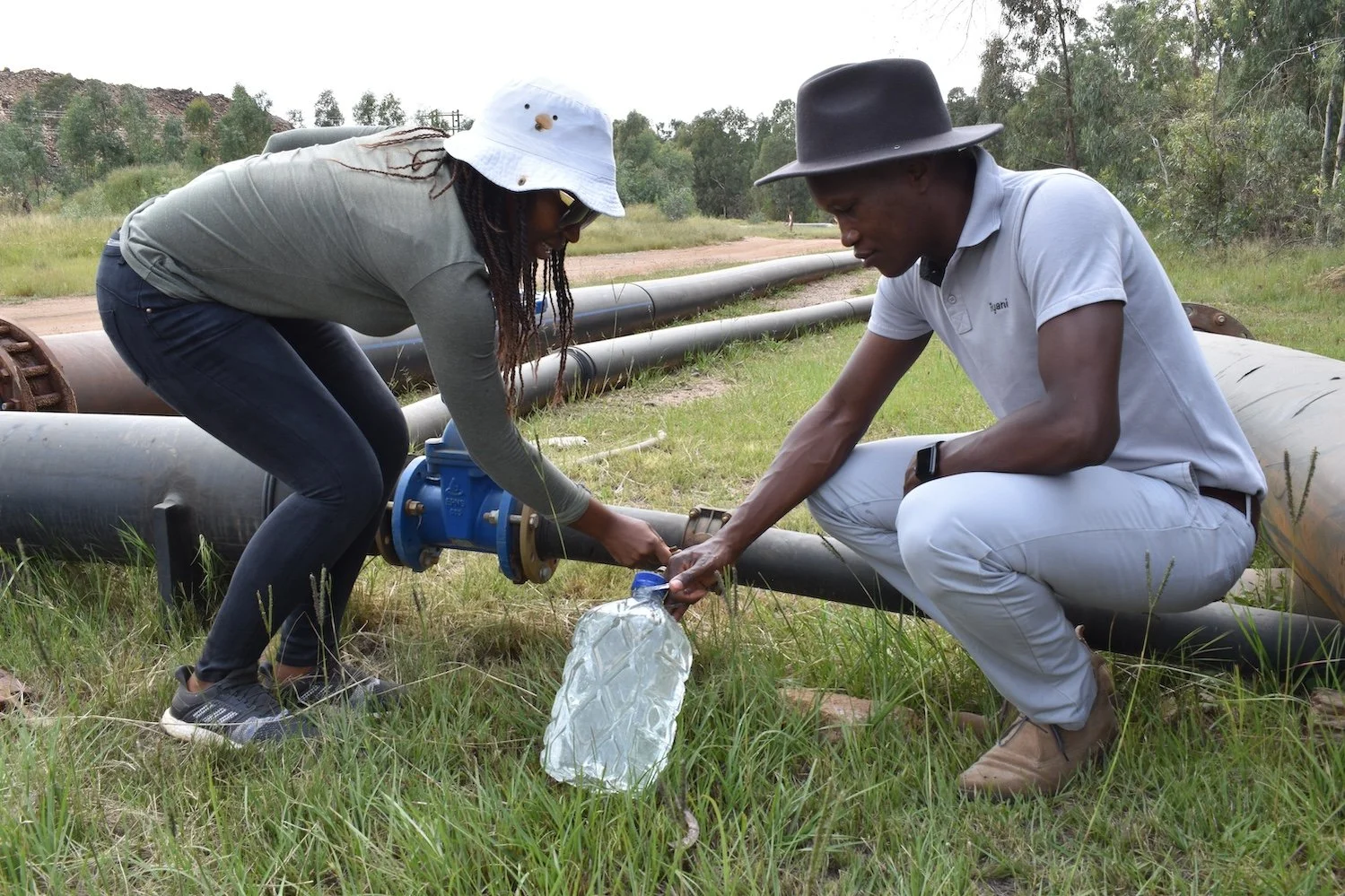
Environmental Biogeochemistry field campling course with BIOGRIP-CAF-SUN
This three-day course from 17-19 March 2025 covers topics such as environmental isotopes in water, contaminants of emerging concern, plant stable isotopes, nutrient analysis/trace metals, blue carbon, and dust sampling, and includes a laboratory tour of the BIOGRIP Water & Soil Node at Stellenbosch University.
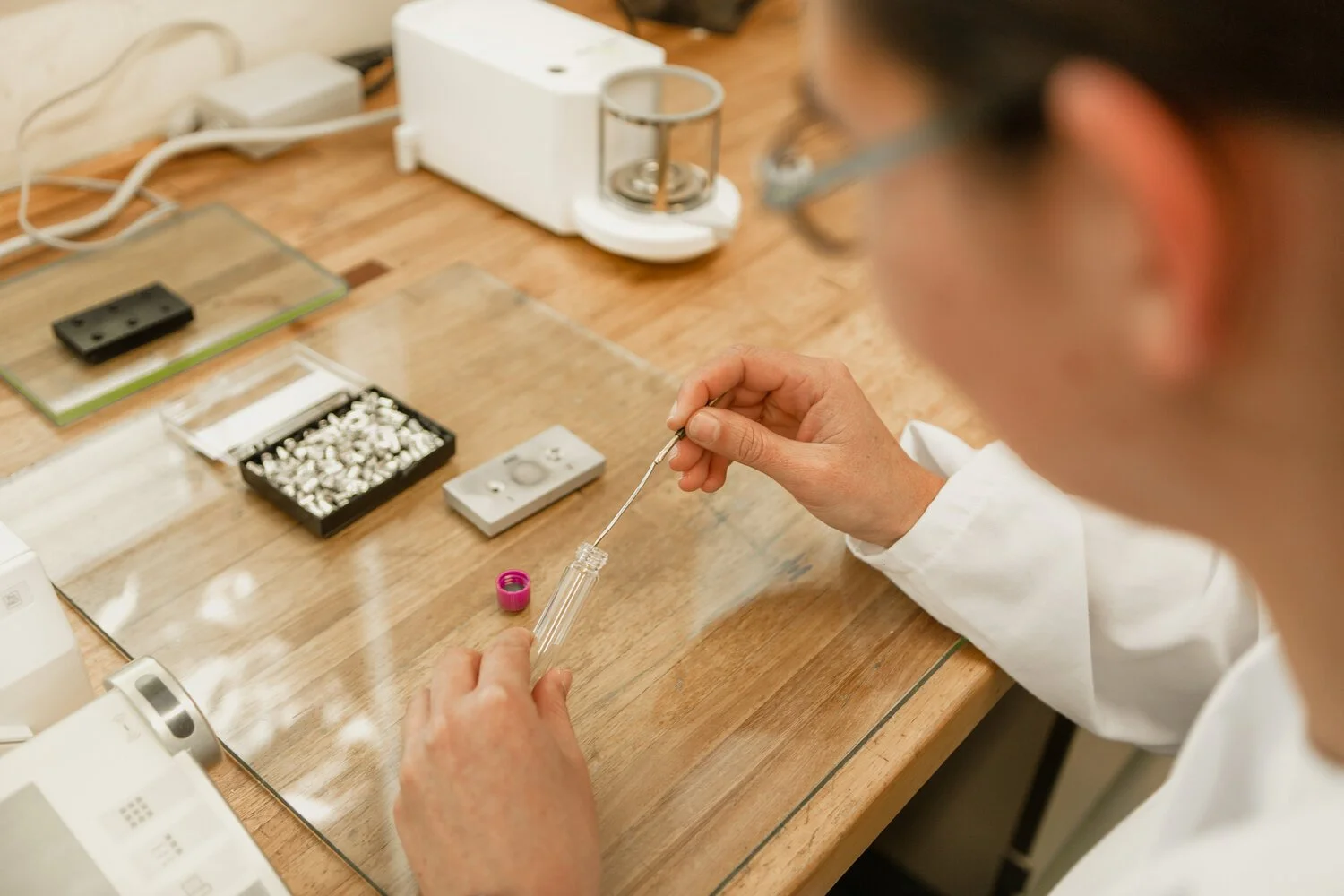
Stable Light Isotope Course
This annual course from the Stable Light Isotope Lab at University of Cape Town runs from 26 - 30 May 2025 and covers principles of stable light isotope mass spectrometry and applications in the natural environment.

BIOGRIP seeks a postdoctoral fellowship in blue carbon ecosystems in South Africa
Applications are open for a full-time postdoctoral position at the School for Climate Studies and the Department of Botany and Zoology at Stellenbosch University to lead projects that build technical, theoretical and applied aspects around measuring carbon from vegetated coastal ecosystems in South Africa, with a specific focus on salt marshes.

BIOGRIP Soil and Water Node seeks postdoctoral research fellow in isotope hydrogeology
The BIOGRIP Soil and Water Node, hosted by Stellenbosch University, seeks a Postdoctoral Researcher in Isotope Hydrogeology to join a project focused on understanding groundwater systems in the Western Cape through the use of environmental isotopes, including radon, stable water isotopes and other tracers.