
UCT awarded funding to host BIOGRIP
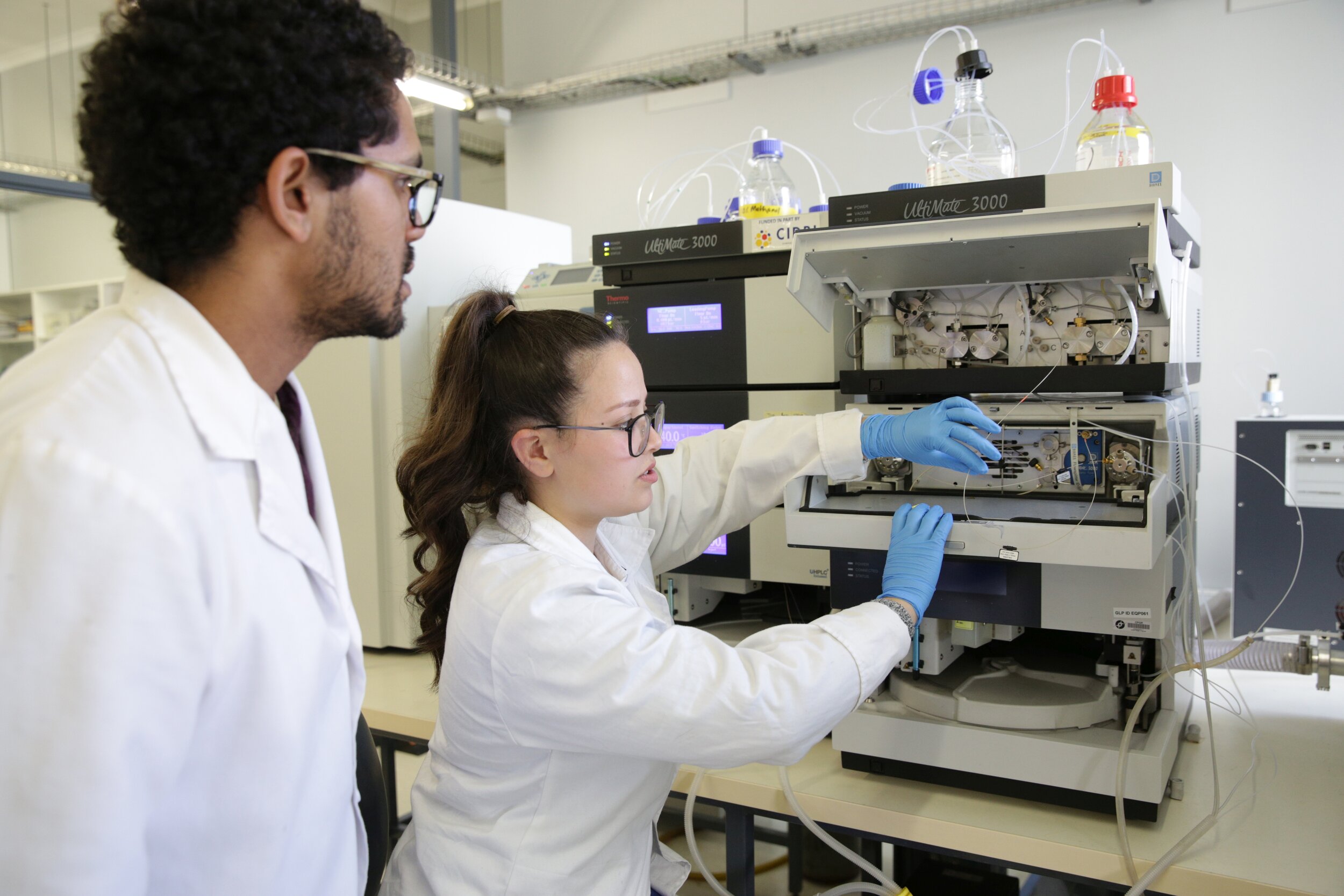
“Biogeochemistry” is the study of how biological, geological, chemical, and physical processes interact to shape natural environments over time and space. It covers a range of interdisciplinary research foci, from the origin and diversification of life, to how anthropogenic drivers alter modern environments, to the response of natural systems to environmental change.
Biogeochemistry was identified by the Department of Science & Innovation’s South African Research Infrastructure Roadmap document as an emerging interdisciplinary field of strategic importance.
some South African research groups currently undertake research that can be defined as biogeochemical, their efforts to-date have largely been isolated and/or fragmented. Moreover, biogeochemistry requires high precision data and measurements of a vast range of inorganic and organic chemical components, some of which cannot currently be made in South Africa.
From 2020, UCT will host the Biogeochemistry Research Infrastructure Platform (“BIOGRIP”). Funded by the Department of Science & Innovation, BIOGRIP was conceived by a team of researchers in the Faculty of Science, along with collaborators at Stellenbosch University, North-West University and the University of the Free State.
Dr Sarah Fawcett, Department of Oceanography and Professor Jodie Miller (Stellenbosch University) are the co-champions of BIOGRIP, who led the development and writing of the proposal, as well as presenting it and defending it to the DSI’s scientific steering committee. The UCT team that assisted includes Dr Katye Altieri (Oceanography), Prof Judy Sealy and Dr Vincent Hare (Archaeology), Dr Robyn Pickering, Prof Chris Harris and Dr Petrus le Roux (Geological Sciences). Professor Sealy is currently the acting Director of BIOGRIP.
The central goal of BIOGRIP is to enhance South Africa’s existing biogeochemistry research capabilities by modernizing, integrating, and optimizing extant facilities, developing new infrastructure where essential measurement capacity is lacking, and driving knowledge creation through investment in training, capacity building, and scientific leadership.
BIOGRIP will consist of a network of new and existing research laboratories housed in one of four Nodes, each hosted by a different South African university. Each Node will specialize in an aspect of biogeochemical research, with a central Hub based at UCT that manages and coordinates the platform. The Nodes will support both discipline-specific research and larger-scale integrated and interdisciplinary efforts and will be accessible to all researchers across the country.
This story was originally published by the UCT faculty of Science’s Science Matters.