
People at BIOGRIP

BIOGRIP Hub
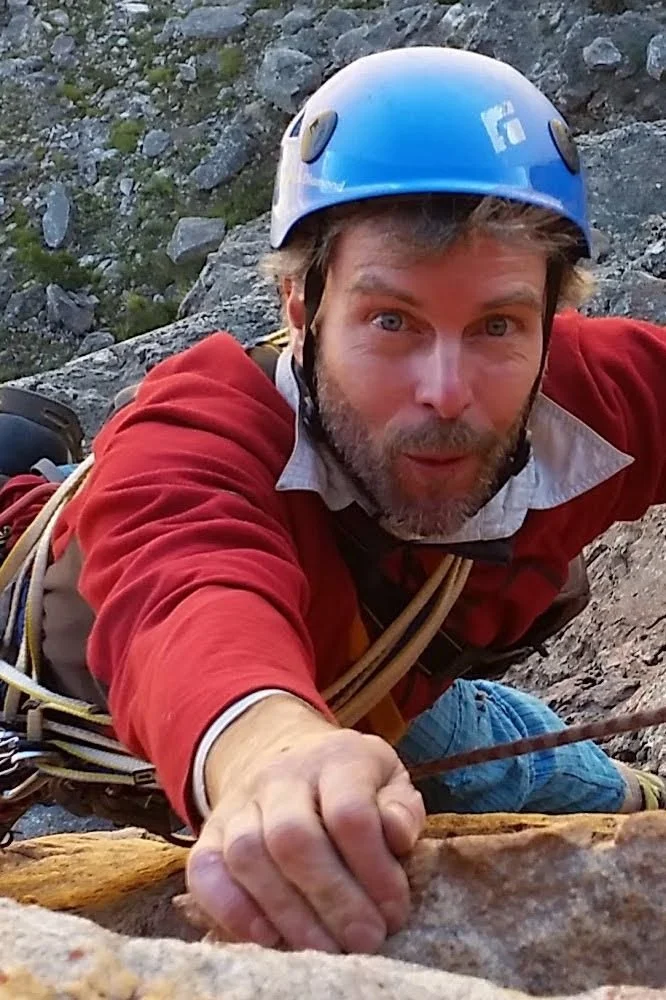
Dr Roger Diamond
Isotope Hydrogeologist, BIOGRIP Director, University of Cape Town
Roger Diamond is currently based in the Department of Geological Sciences at UCT. His research has examined groundwater, hydrochemistry, stable isotopes, as well as the radioactive element radon. This work was applied to questions of quality in both surface water and groundwater.
Dr Aldwin Ndhlovu
Aquatic Scientist, BIOGRIP Project Manager, University of Cape Town
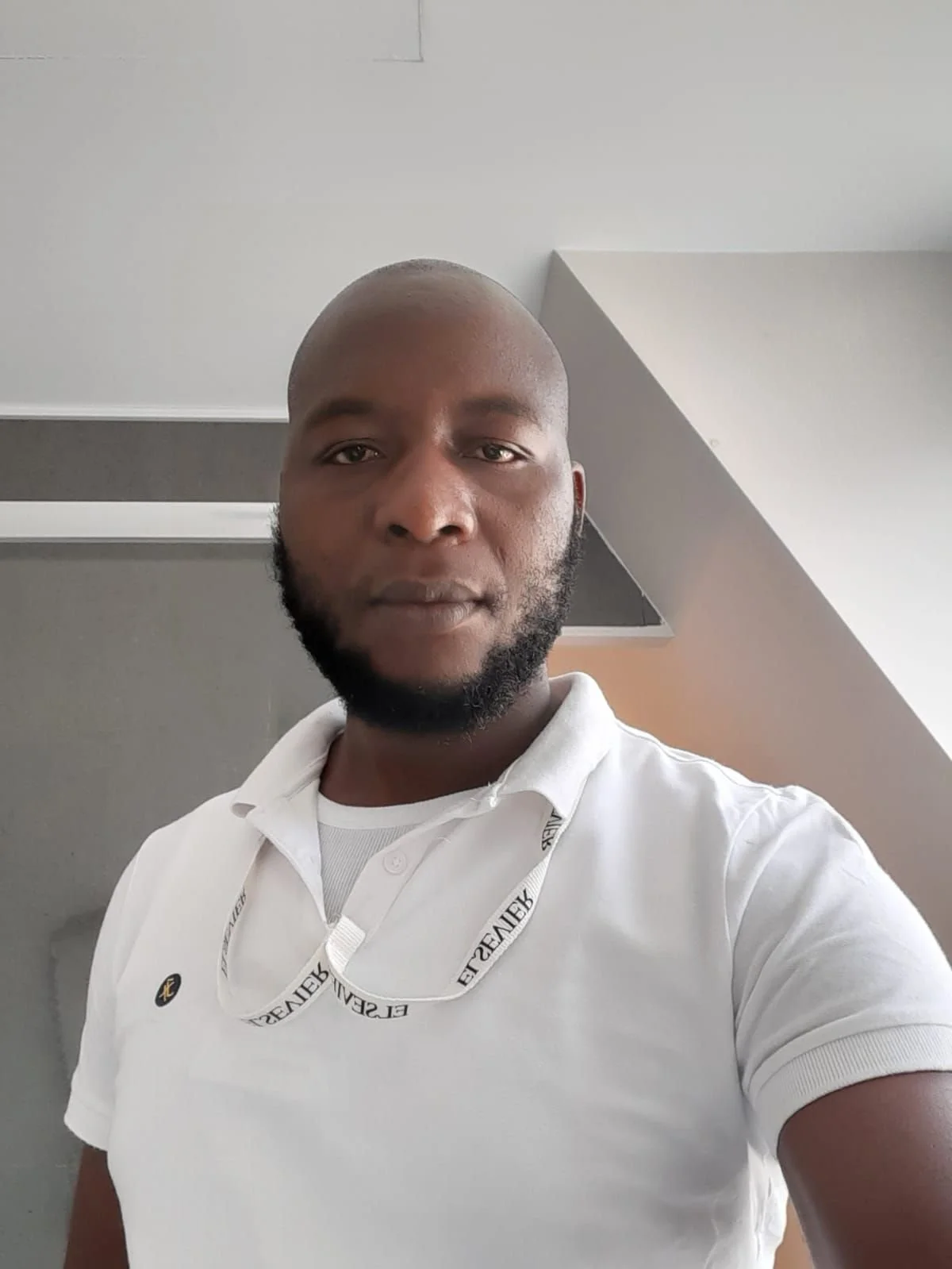
Aldwin Ndhlovu is the project manager at BIOGRIP based at UCT. He is responsible for liaising with the BIOGRIP nodes and stakeholders. His background is in ecotoxicology, focusing on water quality and heavy metal pollution in aquatic systems.
Gloria Cupido
Finance and Administration Manager, BIOGRIP, University of Cape Town
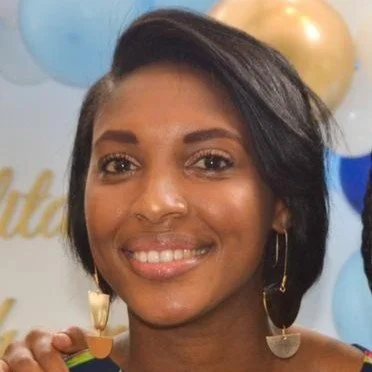
Gloria Cupido, Finance and Admin Manager is responsible for the overall finance and administration management of BIOGRIP and is based at UCT.
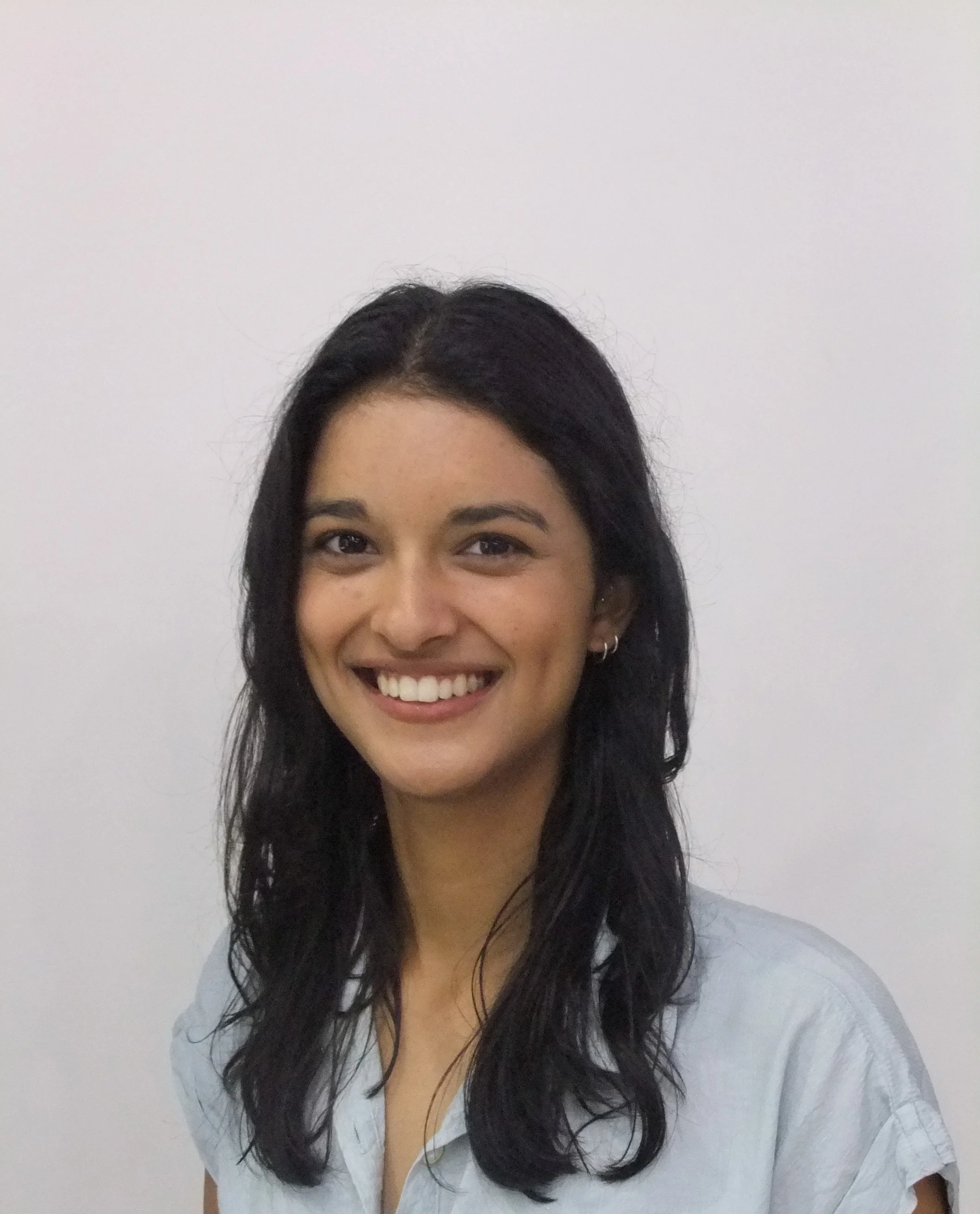
Shaakirah Adams
Geoscientist, BIOGRIP Data Manager, University of Cape Town
Shaakirah Adams is a geologist with an interest in creating visualisations that enhance scientific communication and improve data analysis through interdisciplinary science. She has a background in data management, optimising data flow and transforming large datasets across diverse scientific disciplines.

Atmospheric Node
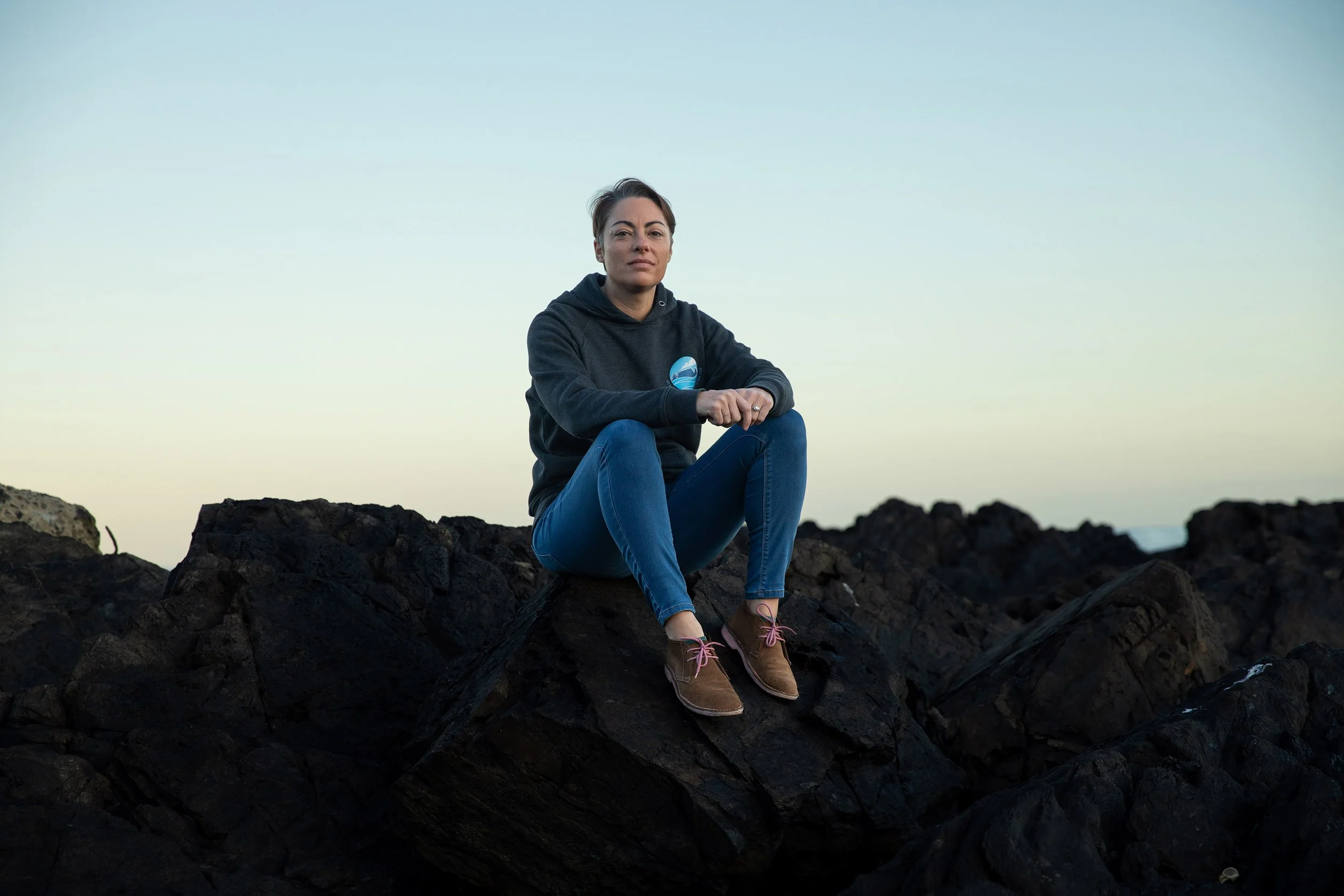
Prof Katye Altieri
Marine Atmospheric Chemist, Oceanography, University of Cape Town
Katye Altieri is an Associate Professor in the Department of Oceanography at UCT researching climate and biogeochemistry in the marine atmosphere. Katye holds a P-rating from the NRF and received the Claude Leon Merit Award in 2017. Her research interests are: atmosphere-ocean interactions, atmospheric chemistry, marine biogeochemistry, climate change, atmospheric observations and modeling in the marine environment, air pollution and health.

Kerneels Jaars
Atmospheric Chemist, Chemistry, North West University
Kerneels Jaars is currently part of the Atmospheric Chemistry Research Group (ACRG) at NWU which focuses on ground-based in-situ atmospheric measurements, but research related to laboratory investigations, satellite observations and modelling is also conducted.
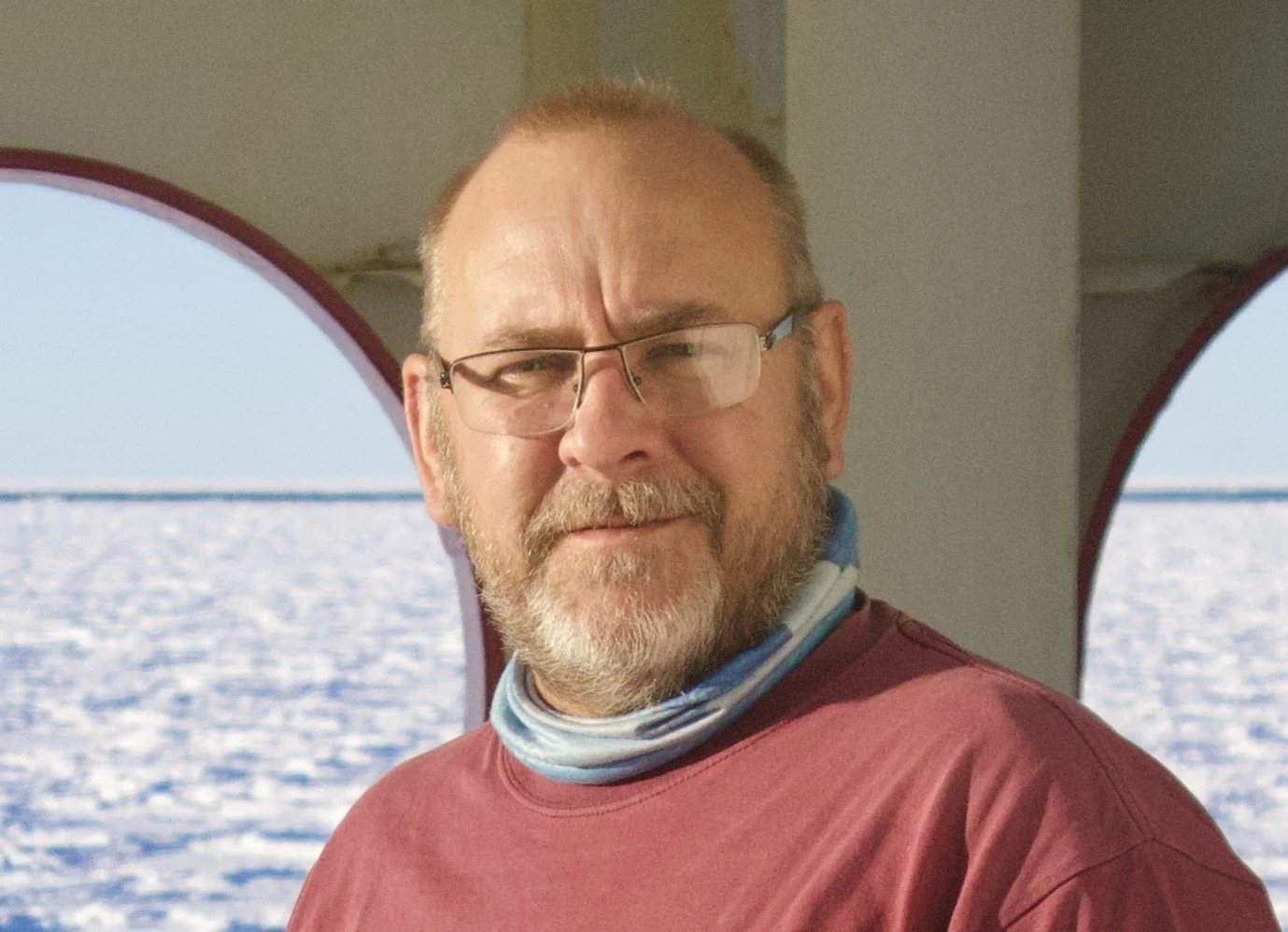
Prof Casper Labuschagne
Senior Scientist, Global Atmosphere Watch (GAW) group, South African Weather Service (SAWS)
Casper Labuschagne is a Senior Scientist in the GAW group of the SAWS research department. Working at the Cape Point GAW laboratory since 1996, Casper’s expertise lies in greenhouse gas (GhG) observations and research. His peer reviewed research outputs (listed from 2010 only) amounts to 85 co-authored articles, conference proceedings and article reviews. He currently serves on the WMO’s Scientific Advisory Group (WMO SAG) for GhG as the Africa representative.
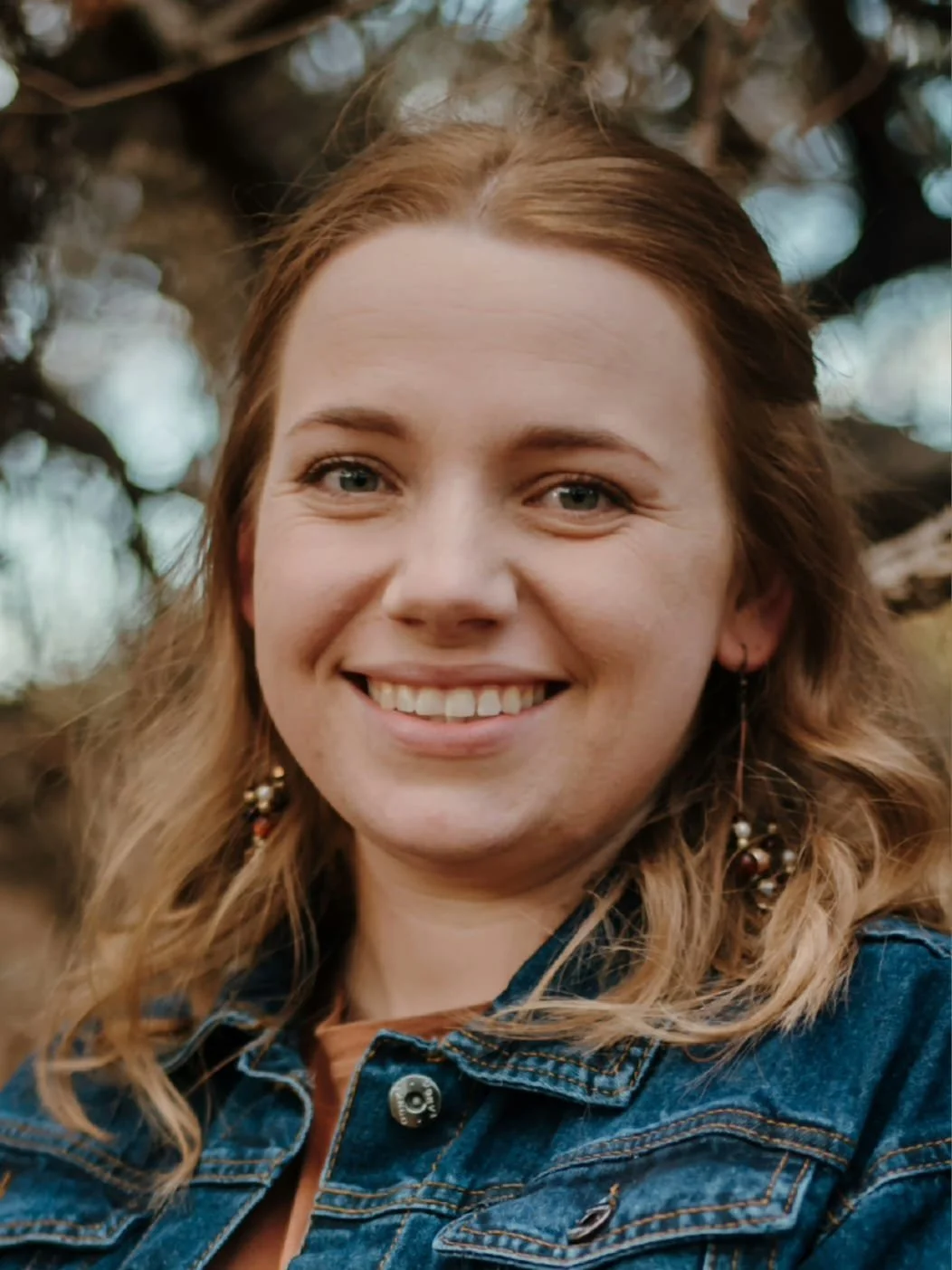
Liezl Bredenkamp
PhD candidate, Atmospheric Sciences, North-West University
Liezl Bredenkamp is a doctoral student at the North-West University, focusing on the quantification of mercury in the atmosphere and the deposition thereof in rainwater. She is also involved in the monitoring of various other atmospheric parameters at the Welgegund monitoring site.
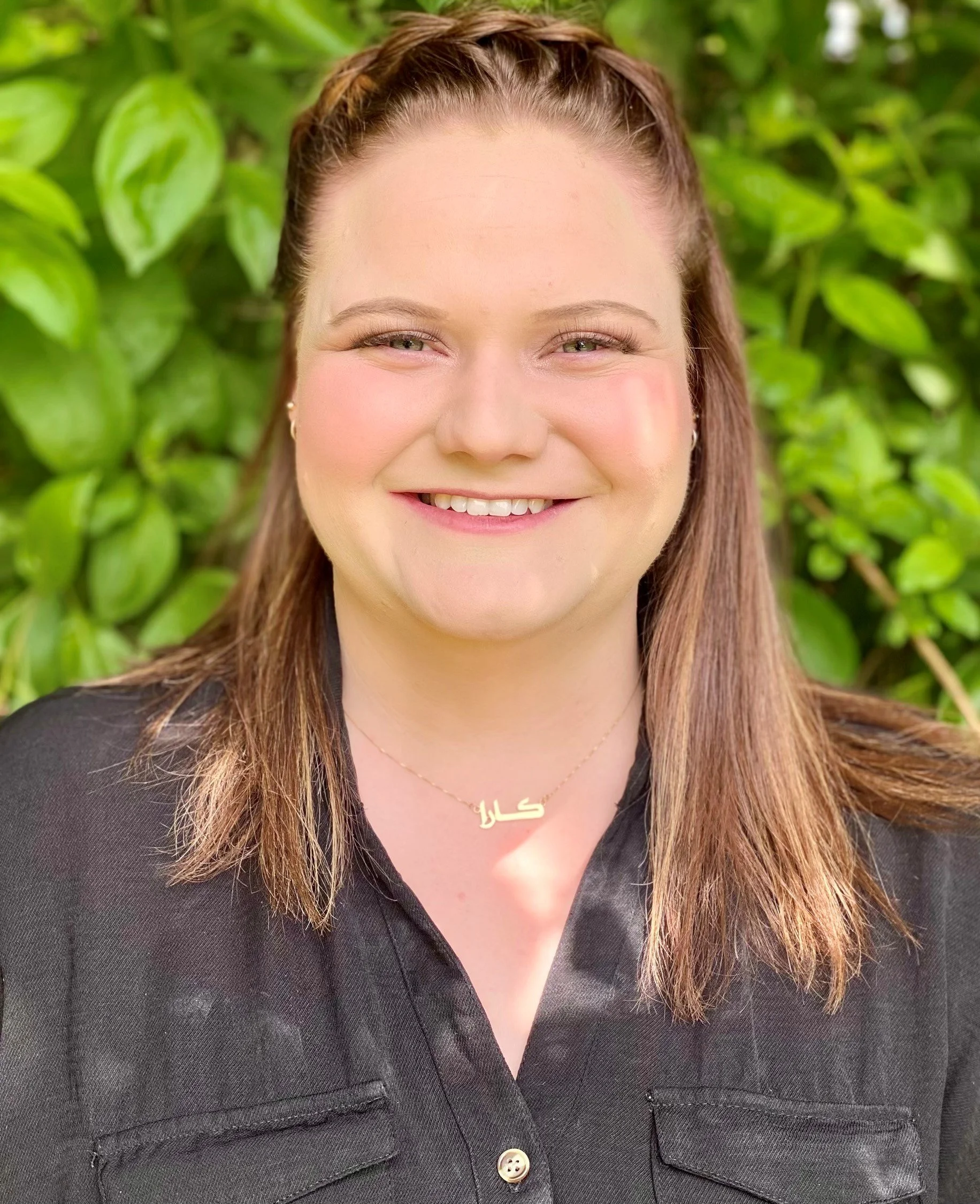
Cara La Grange
Lab technician, North-West University
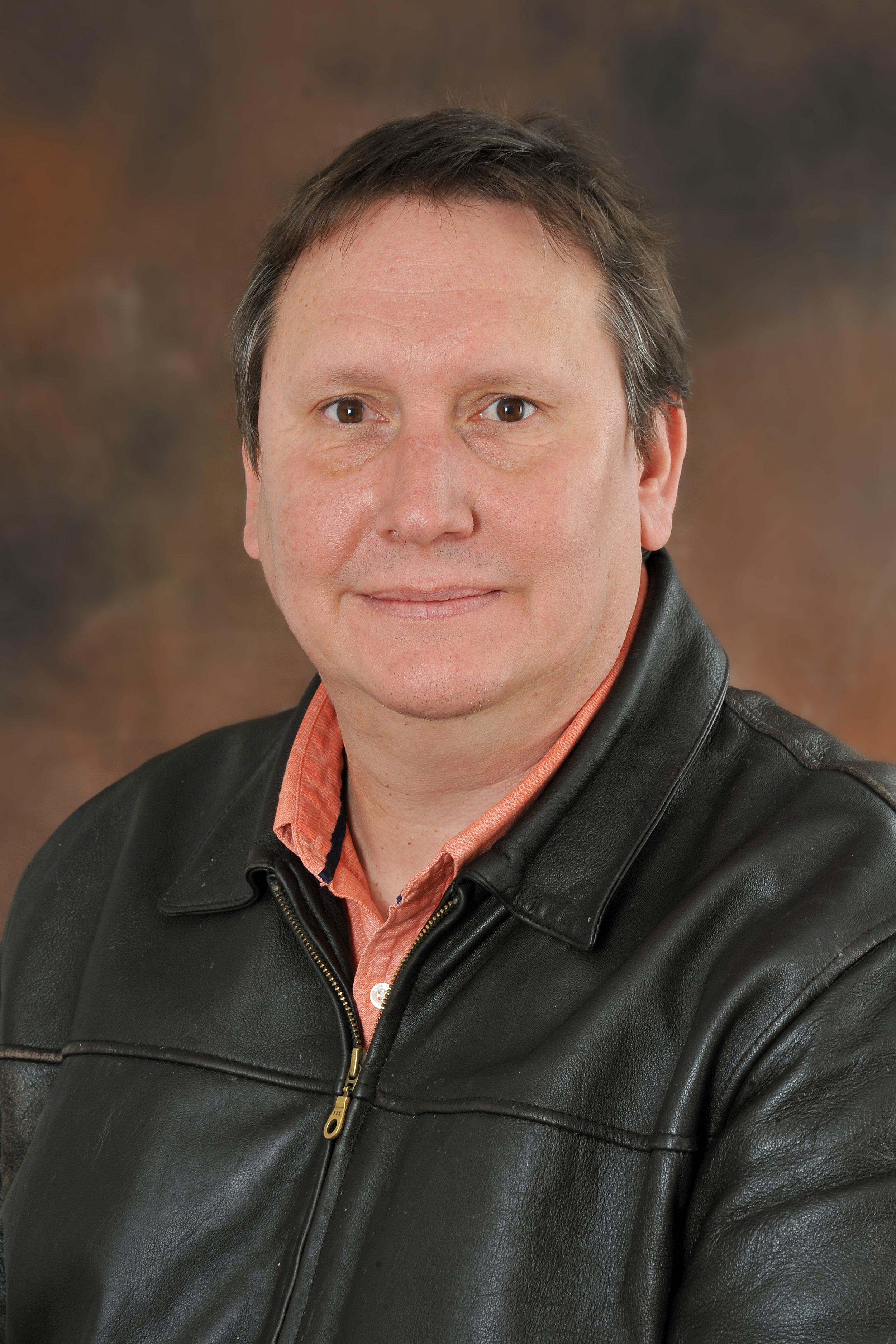
Prof Pieter van Zyl
Atmospheric Chemist, BIOGRIP Node Manager, North West University
Pieter van Zyl is an Atmospheric Chemist at NWU with expertise in the field of atmospheric aerosols and gaseous species, as well as the deposition of these biogeochemically important species from the atmosphere.
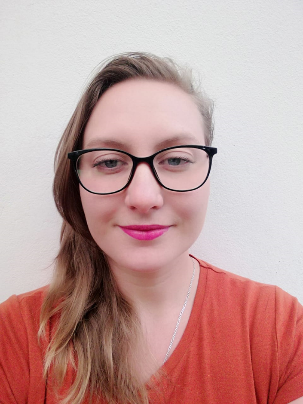
Tamryn Hamilton
PhD candidate, Atmospheric Sciences, North-West University
Tamryn Hamilton is a PhD candidate at the North-West University. Her PhD uses eddy-covariance techniques to describe the first-ever fluxes of SO2 and NO2 and determine the deposition velocity in an African savanna ecosystem. She is an ecologist with a research interest in landscape dynamics, biogeochemistry and climate change.
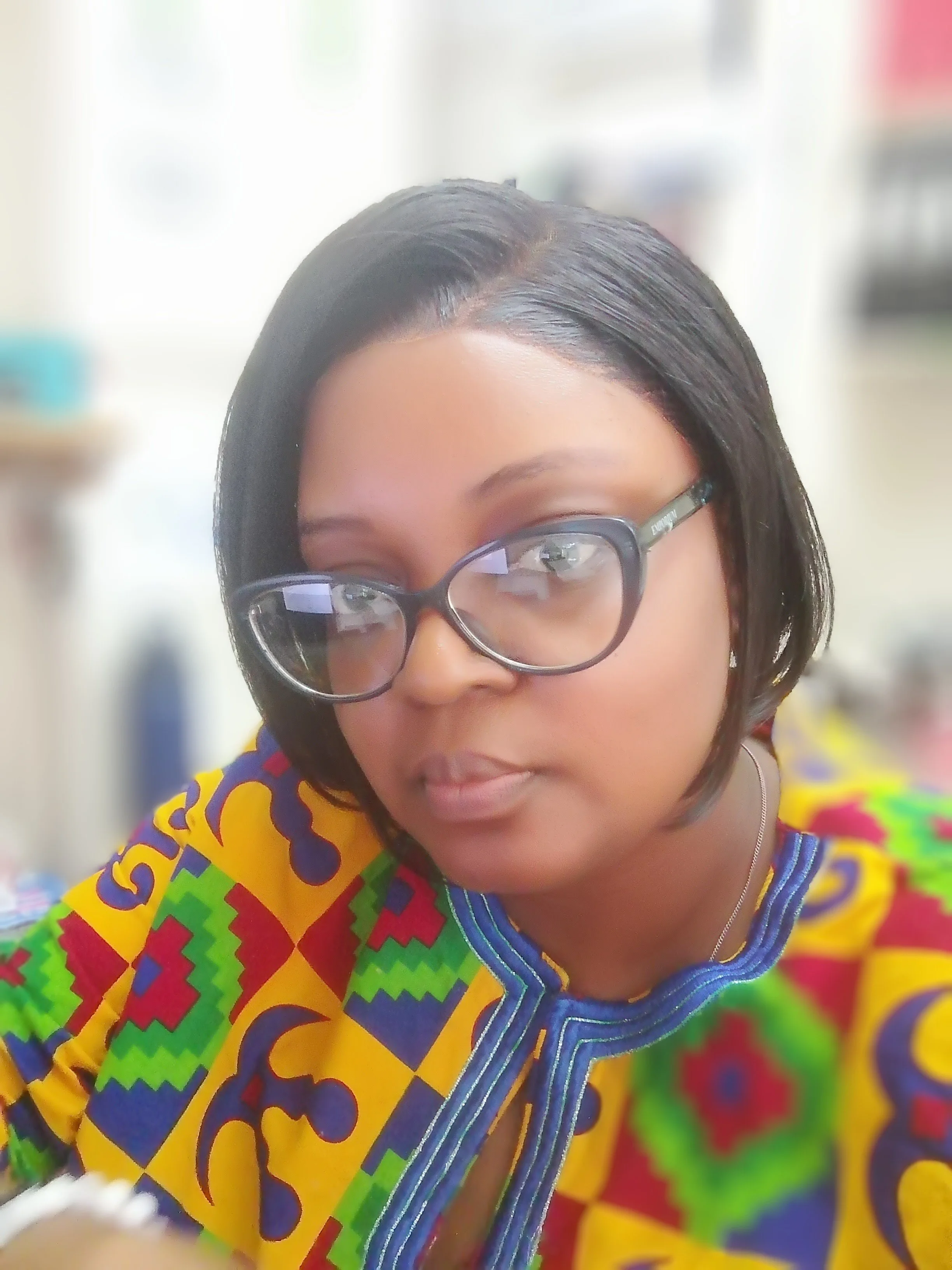
Fiona Isabirye
Administrator, North West University

Isotope Node
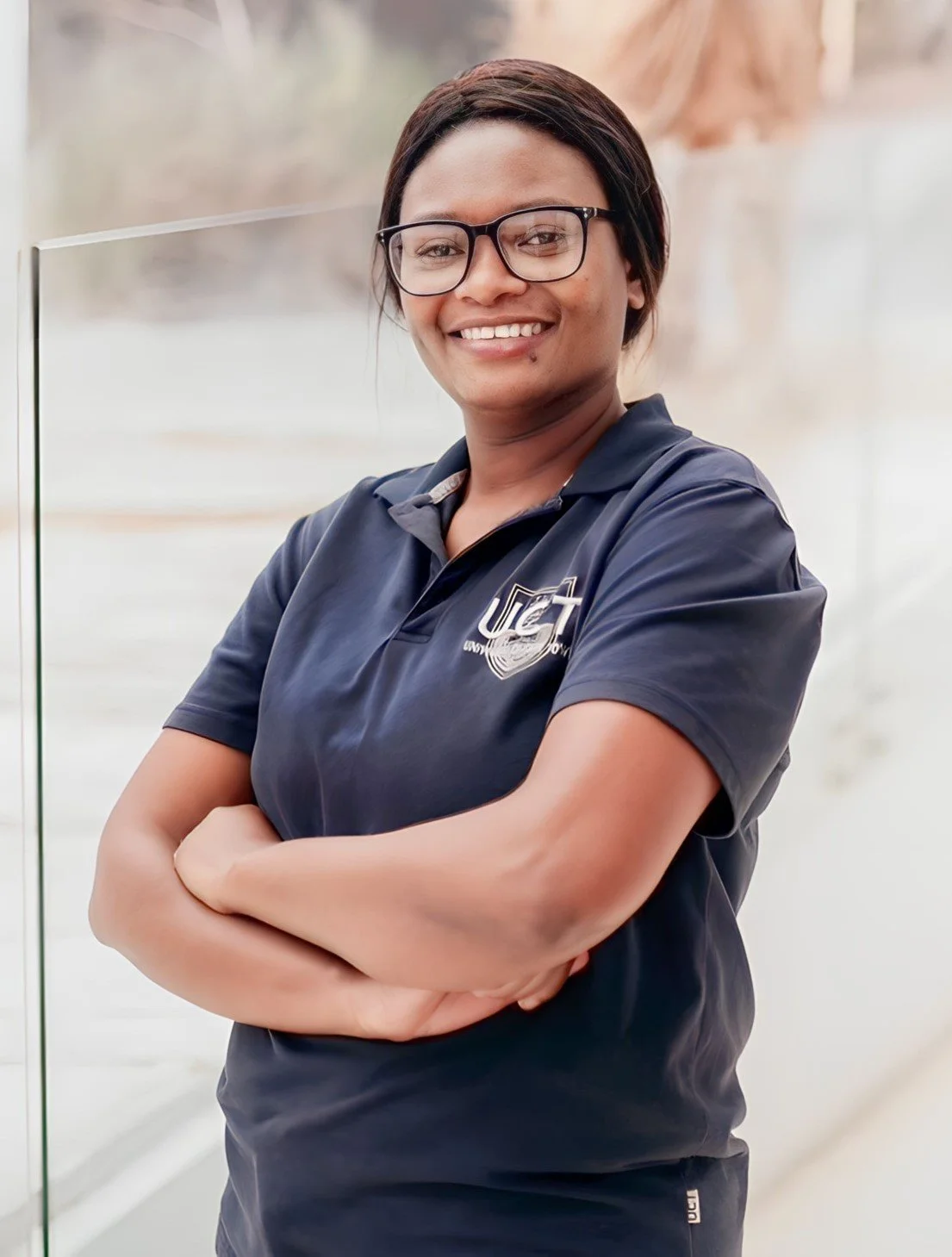
Dr Precious Chiwara-Maenzanise
Archaeologist, Postdoctoral Research Fellow, Geological Sciences, University of Cape Town
Precious Chiwara-Maenzanise is a GENUS Postdoctoral Fellow at the University of Cape Town (UCT), affiliated with the Human Evolution Research Institute (HERI) and the Department of Geological Sciences. Her research focuses on human evolution in the Kalahari. She earned her BA, BA Special Honours, and Master’s in Archaeology from the University of Zimbabwe before pursuing a PhD at UCT, where she investigated cultural information exchange among groups occupying discrete Marine Isotope Stage (MIS) 5 Middle Stone Age (MSA) sites in the Kalahari Basin. As part of her postdoctoral fellowship, she remains actively involved in the North of Kuruman Palaeoarchaeology Project, an interdisciplinary initiative examining the early record of human evolution in the southern Kalahari, highlighting its significance beyond the well-studied coastal regions.
Orcid: https://orcid.org/0000-0002-3907-6075
Linkedin: https://www.linkedin.com/in/dr-precious-chiwara-9910b2120
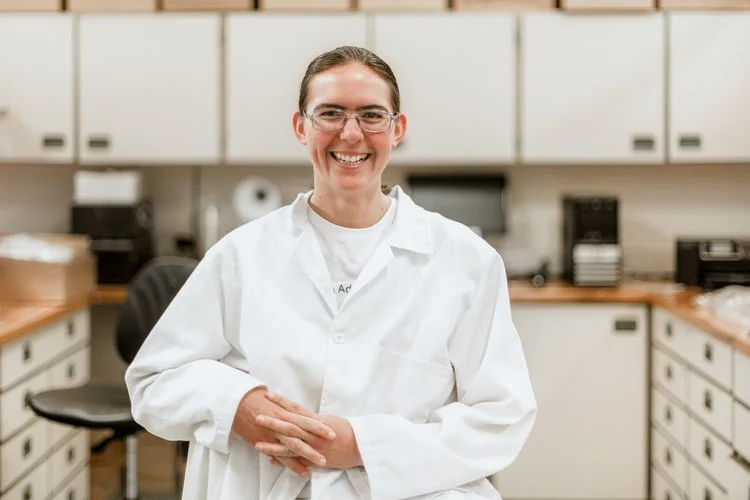
Patricia Groenewald
Forensics and Archaeology, Senior Scientific Officer, Stable Light Isotope Laboratory, University of Cape Town
Patricia Groenewald is the Senior Scientific Officer in the Stable Light Isotope Laboratory in the Department of Archaeology at UCT. She has a background in archaeology and is working towards her PhD. Her research focuses on a better understanding of bone collagen turnover in adult humans and the incorporation of dietary stable light isotopes throughout life.
ORCID: 0000-0001-5158-3021
Scopus author ID: 57214085839
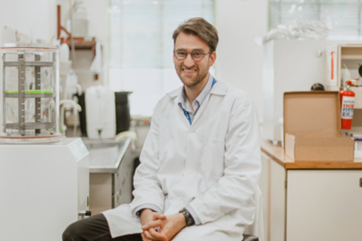
Dr Vincent Hare
Earth Scientist, Stable Light Isotope Laboratory, Archaeology, University of Cape Town
Vincent Hare is an earth scientist whose research interests span Cenozoic palaeoclimatology, palaeoenvironments, novel dating methods, past climate change and the carbon cycle. His special research interest is the application of stable isotope geochemistry to understanding changes in ancient atmospheres, to better understand fossil and archaeological plants, and to refine predictions of future climate change. He holds degrees in both Physics and Archaeological Sciences from UCT and Oxford (MSc, DPhil), where he was a Clarendon Scholar. Hare is a member of the American Geophysical Union and the European Geophysical Union, Secretary of the Southern African Society for Quaternary Research, and Past Global Changes (PAGES) Early Career Representative for Africa.
Prof Chris Harris
Isotope Geochemist, Geological Sciences, University of Cape Town
Chris Harris is a geologist and geochemist and is Professor of Mineralogy and Geology at UCT. His research interest lies in stable isotopes in igneous rocks and hydrological systems in economic geology. He runs the high temperature geochemistry facility in Geology that has a number of extraction lines for the measurement of stable isotope ratios of O, C, and H in rock (silicates and carbonates), mineral and water samples.
Dr Brett Kuyper
Chief Scientific Officer, Marine Biogeochemistry Laboratory, Oceanography, University of Cape Town
Brett Kuyper is the Chief Scientific Officer in the Marine Biogeochemistry Laboratory at UCT. He is responsible for the maintenance, management, training and upgrades of the Isotope Ratio Mass Spectrometer and custom gas separation and preparation instrument. Brett has a background in atmospheric chemistry focusing on observation and measurement.
Dr Petrus Le Roux
Isotope Geologist, MC-ICP-MS Facility, Geological Sciences, University of Cape Town
Petrus Le Roux’s geological research interest is in the use of light elements (Li, B) in igneous rocks, especially subduction zone and oceanic basalts, to understand the geochemical cycling of material, as well as the possible shallow-level magma assimilation, contamination and/or degassing systematics beneath mid-ocean ridges and arc volcanoes. The development of new MC-ICP-MS isotopic analytical methods and novel applications, especially in situ Sr, Pb, Hf, B or Li isotope analysis using laser ablation, is another research focus. I have a significant multi-disciplinary research focus on the use of Sr (and Pb) isotopes in palaeoanthropological, palaeontological and biological studies to place constraints on origins, landscape use or migration patterns of plants, hominins, early human societies, extinct animals or dinosaurs.
Google Scholar: https://scholar.google.co.za/citations?user=lCX3Z2EAAAAJ&hl=en
SCOPUS: https://www2.scopus.com/authid/detail.uri?authorId=57217016796
Research Gate: https://www.researchgate.net/profile/Petrus_Le_Roux
Hazel Little-Leighton
Scientific Officer, Oceanography, University of Cape Town
Hazel Little-Leighton is an Oceanographer and Scientific Officer in the Oceanography Department at UCT. Her primary focus is on overseeing the day-to-day running of the labs, assisting with various projects and student instrument training.
Dr Julie Luyt
Isotope Ecologist, Senior Research Officer, Archaeology, University of Cape Town
Julie Luyt obtained her PhD from UCT. Her interests lie in the effects of environmental and climatic variables on stable carbon, nitrogen and oxygen isotopic ratios of fauna. Studies of contemporary fauna provide a baseline for interpretation of analyses of archaeological and fossil animals. Her focus is the winter rainfall zone in southwestern Africa, where reconstruction of palaeoclimates and palaeoenvironments help contextualise important archaeological sites with evidence of early humans.
Kalpana Maraj
Lecturer, Department of Chemical Engineering Future Water Institute, University of Cape Town
Kalpana Maraj is a lecturer in the Department of Chemical Engineering and researcher at the Future Water Institute. Her recently submitted PhD research focused on the design of nature-based treatment systems for the removal of pharmaceuticals from surface waters polluted by informal settlements. Her research interests include water resource management, contaminants of emerging concern, water quality, and nature-based solutions.
Google Scholar: https://scholar.google.com/citations?hl=en&user=JJ8gUosAAAAJ
Associate Professor Robyn Pickering
Isotope Geochemist, Geology, University of Cape Town
Robyn Pickering is an isotope geochemist whose research intersects with human evolution and archaeology. Her work focuses on understanding the timing and environmental context of early human evolution fossil and archaeological sites, mainly in South Africa. She leads the Quaternary Terrestrial Environments (QTE) research group at UCT, and has established the first U-series dating laboratory in Africa, pioneering innovative and cost-effective dating techniques. As Co-director of the Human Evolution Research Institute (HERI), Robyn is committed to transforming narratives around human evolution by challenging patriarchal and neo-colonial perspectives in geosciences, with an emphasis on improving field experiences for women and underprivileged students. Robyn has received numerous prestigious awards, such as the NSTF Emerging Researcher Award and the UCT VC 2030 Leadership Program.
Quaternary Terrestrial Environments (QTE): https://www.qte-uct.com/
Human Evolution Research Institute: www.heriuct.co.za
Prof Judith Sealy
SARChI Stable Isotopes, Archaeology and Palaeoenvironmental Studies, Archaeology, University of Cape Town
Judith Sealy holds the South African Research Chair in Stable Isotopes, Archaeology and Palaeoenvironmental Studies, based in the Department of Archaeology at UCT. She also holds overall academic responsibility for the Stable Light Isotope Laboratory, used by researchers from a range of disciplines at UCT and other universities nationally and internationally. Sealy’s research uses isotopes to answer questions about the diet and economic base of human societies, from the emergence of modern humans to the development of hunter-gatherer, herder and farmer societies in southern Africa, and the start of European colonisation. She is a Fellow of the Royal Society of South Africa and of UCT.
Rachelle Schneuwly
Senior Technical Officer, Future Water Institute, Department of Civil Engineering, University of Cape Town
Rachelle Schneuwly is the Senior Technical Officer and Lab Manager at the Future Water research institute. She holds a BSc in Chemistry and Soil Science and an MSc in Civil Engineering and her research focus is on biogeochemical processes within contaminated urban rivers, stormwater, and groundwater and how nature-based water treatment systems can harness these processes to improve water quality in urban environments.
Google Scholar: https://scholar.google.com/citations?hl=en&user=YYPdNwoAAAAJ
Njabulo Thela
Chemical Engineering Technologist, Department of Civil Engineering, University of Cape Town
Njabulo Thela is a Chemical Engineering Technologist by training, holding an MSc in Engineering (specialising in Water Quality Engineering) from the University of Cape Town (UCT) and a BSc Honours in Water Utilisation Engineering from the University of Pretoria. He currently serves as Chief Technical Officer in the Department of Civil Engineering at UCT. He is also pursuing a PhD at UCT, focusing on resource recovery and circular economy, specifically the production of fertilizer products derived from urine.
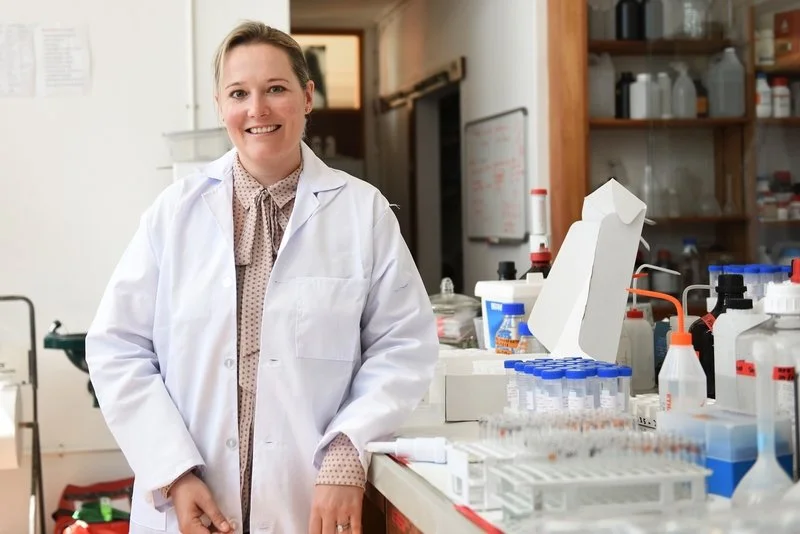
Prof Sarah Fawcett
Marine Biogeochemist, Oceanography, University of Cape Town
Sarah Fawcett is an Associate Professor in the Oceanography Department at UCT whose research is focused on the cycling of biologically important elements (particularly nitrogen, carbon, and oxygen) in the marine environment. To address questions related to ocean fertility, local and global biogeochemical cycling, ecosystem health, and past and present climate, Sarah’s central tool is high-resolution measurements of nitrogen isotopes, which can be made in the Marine Biogeochemistry Lab that she co-established in the Oceanography Department.
Google Scholar: https://scholar.google.com/citations?user=xKEc1CcAAAAJ&hl=en&oi=ao
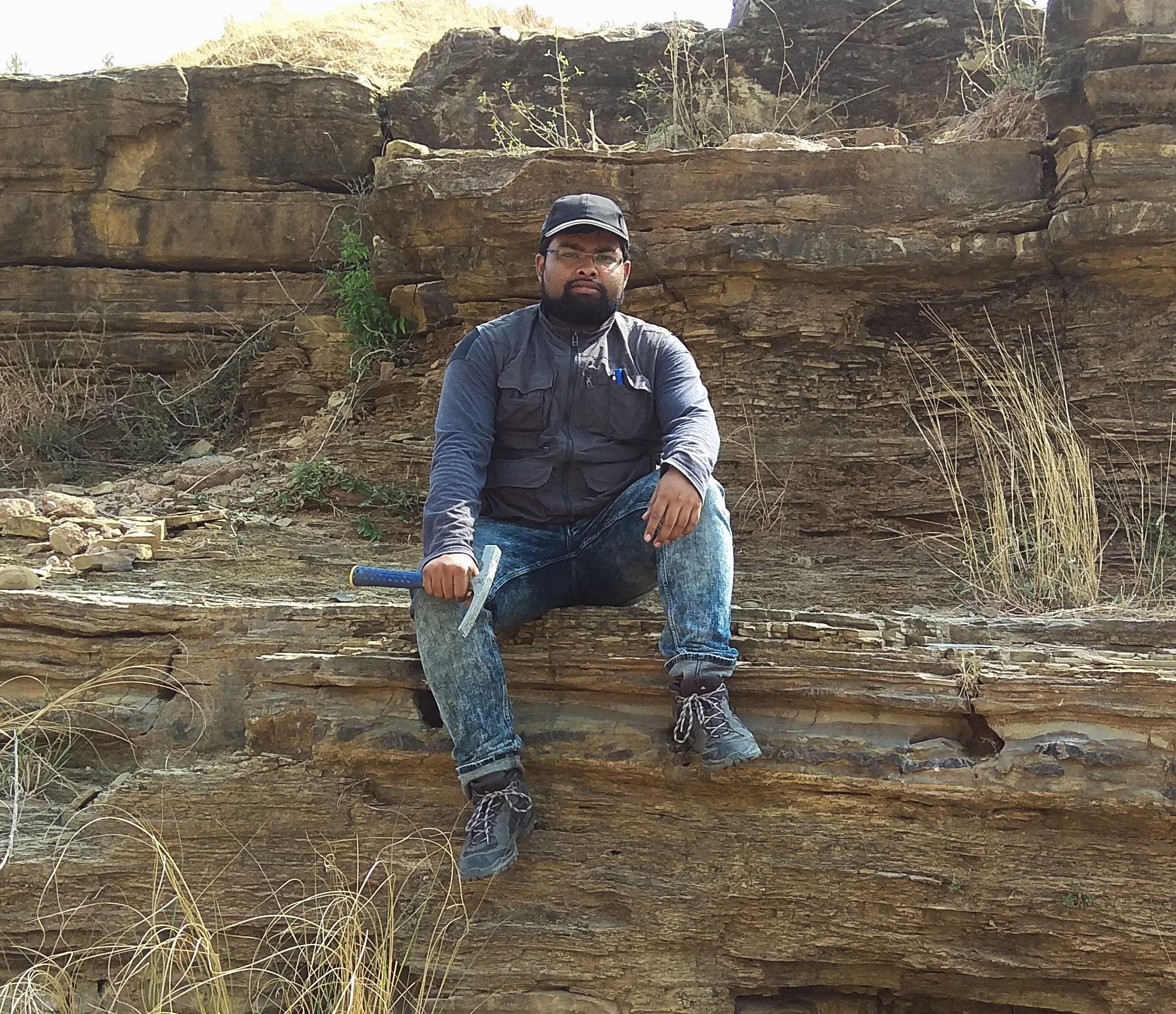
Dr Sangbaran Ghoshmaulik
Postdoctoral Research Fellow, Department of Archaeology, University of Cape Town
Sangbaran Ghoshmaulik is an earth scientist with a background in geology. He holds a PhD from IIT Kharagpur, India. He specialises in stable isotope geochemistry, particularly the application of triple oxygen isotope systematic in geological samples. His research interests span understanding modern and past climate changes as well as Earth's geological evolution. Currently, he is developing a systematic approach to trace the contribution of natural and anthropogenic sources of carbon emissions in Cape Town using isotopic measurements in gases. He also seeks to broaden the application of tunable infrared laser direct absorption spectroscopy (TILDAS) to analyse a wider range of natural samples beyond carbonates and atmospheric CO₂.
ORCID: https://orcid.org/0000-0001-9765-3080
LinkedIn: https://www.linkedin.com/in/sangbaran-ghosh-maulik-3b63bb11a/
Research Gate: https://www.researchgate.net/profile/Sangbaran-Ghoshmaulik
Dr Nhlanhla Hlongwa
Postdoctoral Research fellow Future Water Institute, University of Cape Town
Nhlanhla Hlongwa is a Postdoctoral Research Fellow at the Future Water Institute, University of Cape Town. His research focuses on contaminants of emerging concern, including PFAS, pharmaceuticals, microplastics, and antibiotic resistance in aquatic systems, with a particular emphasis on water quality, ecological risk assessment, and policy translation in low- and middle-income countries. His work integrates environmental chemistry, One Health frameworks, and governance-oriented approaches to support evidence-based water management and public health protection.
ORCID: https://orcid.org/0000-0002-9569-157
Linkedin: https://www.linkedin.com/in/nhlanhla-hlongwa-ph-d-56451a127/
Dr Maximilian Jan Spies
Postdoctoral Research Fellow, Department of Archaeology, University of Cape Town
Maximilian Jan Spies is working on a project to explore the potential of stable isotopes (primarily C, N, S, O, Sr, and Pb) for archaeology and forensic science in Africa, with a focus on southern Africa, to develop isoscapes where possible. Results will be applicable to a range of questions including the identification of illicitly collected wild plants and animals, human migration and forensics, and archaeological studies of land use patterns and mobility.
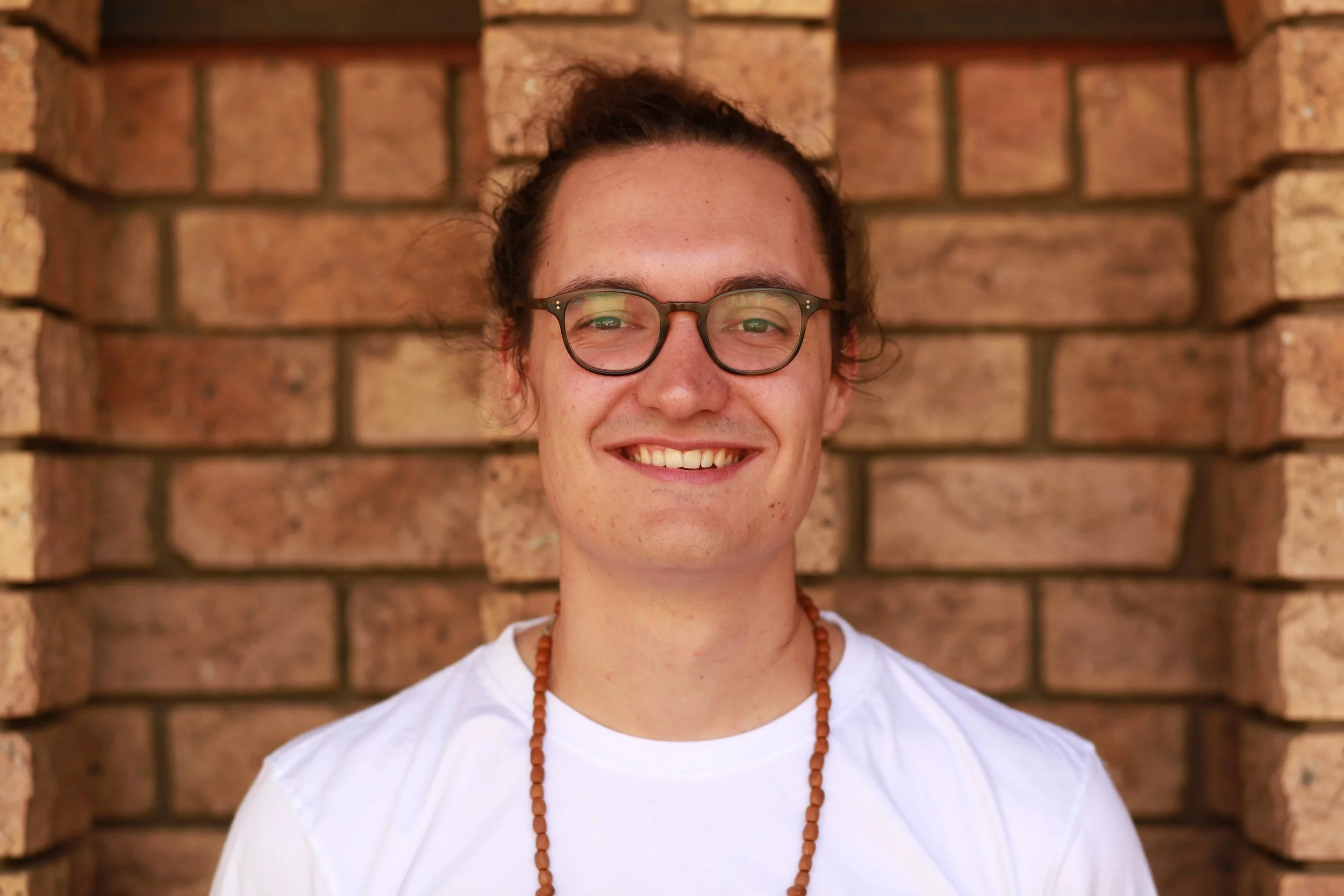
Georgina Luti
PhD Candidate, Geological Sciences, University of Cape Town
Georgina Luti is a Kenyan geologist who has interests in isotope geochemistry and human evolution. Through her research, she is keen on using various isotopes to gain a better understanding of the climate and landscape during the existence of hominins in South Africa and to link these conditions to time. Georgina is currently undergoing training in various isotope analytical techniques in UCT and aims to combine the knowledge she gains to conduct a comparative study to hominins from eastern Africa.
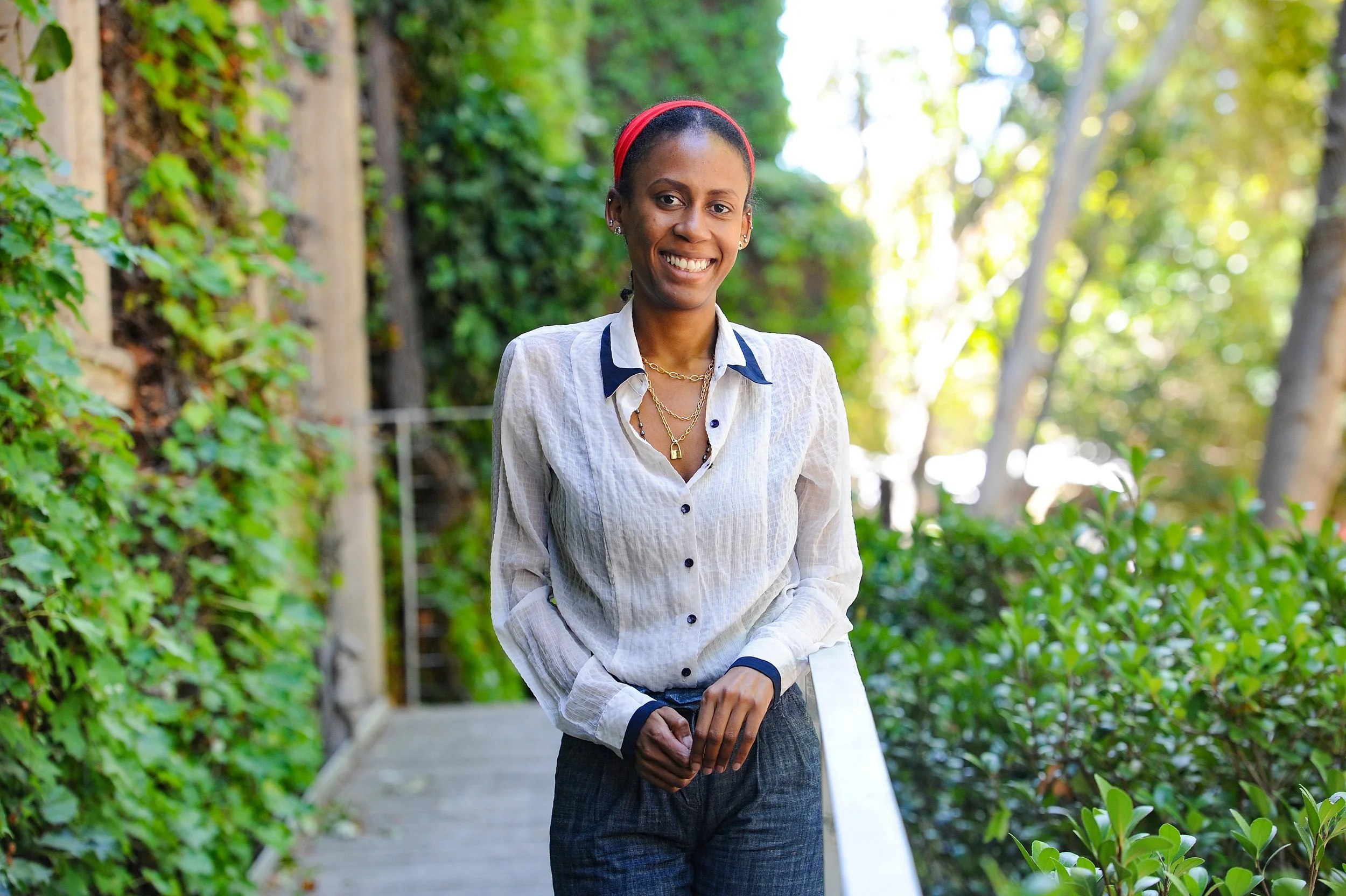
Prof Dyllon Randall
Chemical Engineer, Future Water Institute Department of Civil Engineering, University of Cape Town
Dyllon Randall is a Professor in the Department of Civil Engineering at UCT and a member of the Future Water Research Institute, where his research sits at the intersection of water quality engineering and resource recovery. His work focuses on urine source separation and membrane-based concentration technologies as a means of recovering macro-nutrients (nitrogen, phosphorus, and potassium) from domestic wastewater streams. A central theme across his research is closing nutrient cycles: treating what is conventionally regarded as waste as a valuable input to food systems and the circular economy. His group operates a 300 L/h urine-to-fertilizer treatment facility at UCT and collaborates with national and international partners across academia and industry. He supervises a team of undergraduate and postgraduate researchers and is supported by various funding sources.
Google Scholar: https://scholar.google.co.za/citations?user=hx6LrScAAAAJ&hl=en
LinkedIn: https://www.linkedin.com/in/dyllon-randall-00aa8719/
Dr Tara Edwards
Geochronologist, Chief Scientific Officer, Attom Lab, Geological Sciences, University of Cape Town
Tara Edwards is a geologist whose research has primarily focused on the chronology and environmental reconstruction of localities within the Cradle of Humankind, South Africa. Edwards completed her undergraduate degree at the University of Newcastle in Australia, where she fell in love with caves. However, she also had a deep interest in learning about climate and environmental shifts in the deep past and how these could have impacted evolution and the origin of early humans. To meet this interest, she studied a master’s in Archaeological Science at the Australian National University where she completed a project on material from the Cradle of Humankind in South Africa.
ORCID: https://orcid.org/0000-0002-7652-4834
Research Gate: https://www.researchgate.net/profile/Tara-Edwards-4
Dr Andriantsilavo Razafimanantsoa
Paleoecologist, Postdoctoral Research Fellow, Geological Sciences, University of Cape Town
Tsilavo Razafimanantsoa is a Paleoecologist with a strong background in palynology. His research focuses on understanding long-term environmental change and using it to improve conservation and management strategies. His research focuses on the African continent with a particular interest in South Africa and Madagascar during the Quaternary period where he has published a few peer-reviewed papers. Tsilavo is currently a Postdoctoral Research Fellow based at the Department of Geological Sciences at the University of Cape Town. He is very involved in the paleoecology community either locally or internationally and currently, he is part of the scientific committee of the quadrennial Past Global Changes OSM/YSM conference meeting for 2025. Tsilavo has participated in public engagement activities and has also been involved in writing science communication articles.
Dr Johanna Von Holdt
Environmental and Geographical Scientist, Environmental & Geographical Science, University of Cape Town
Johanna Von Holdt earned her PhD in Aeolian Geomorphology from UCT. Her research centers on air quality, with a particular focus on particulate matter and its impact on earth processes and air pollution from both natural and anthropogenic sources. She studies the emission, transport and deposition of atmospheric particulate matter and its effects on air quality, the environment and human health. Johanna's work delves into urban and mining-affected areas, landscape changes due to these processes, and soil formation and degradation. Johanna integrates remote sensing with ground-based observational data, seeking to enhance how we measure, model and manage air quality. She is committed to developing affordable, locally relevant methods for data collection, including low-cost sensors, citizen science initiatives and community monitoring. In addition to her academic role, she manages the Mine Dust and Health Network at UCT.
Google Scholar: https://scholar.google.com/citations?hl=en&user=8UIt8LYAAAAJ
LinkedIn: https://www.linkedin.com/in/johanna-von-holdt-13b3387a/
ResearchGate: https://www.researchgate.net/profile/Johanna-Von-Holdt
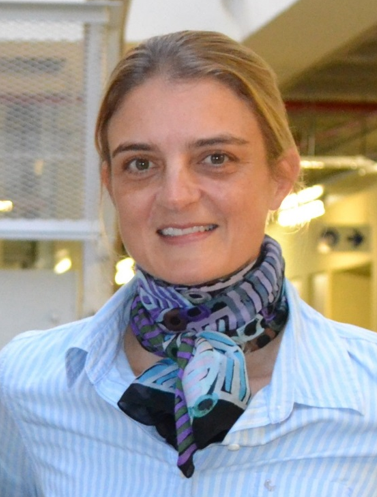

Mineral Node
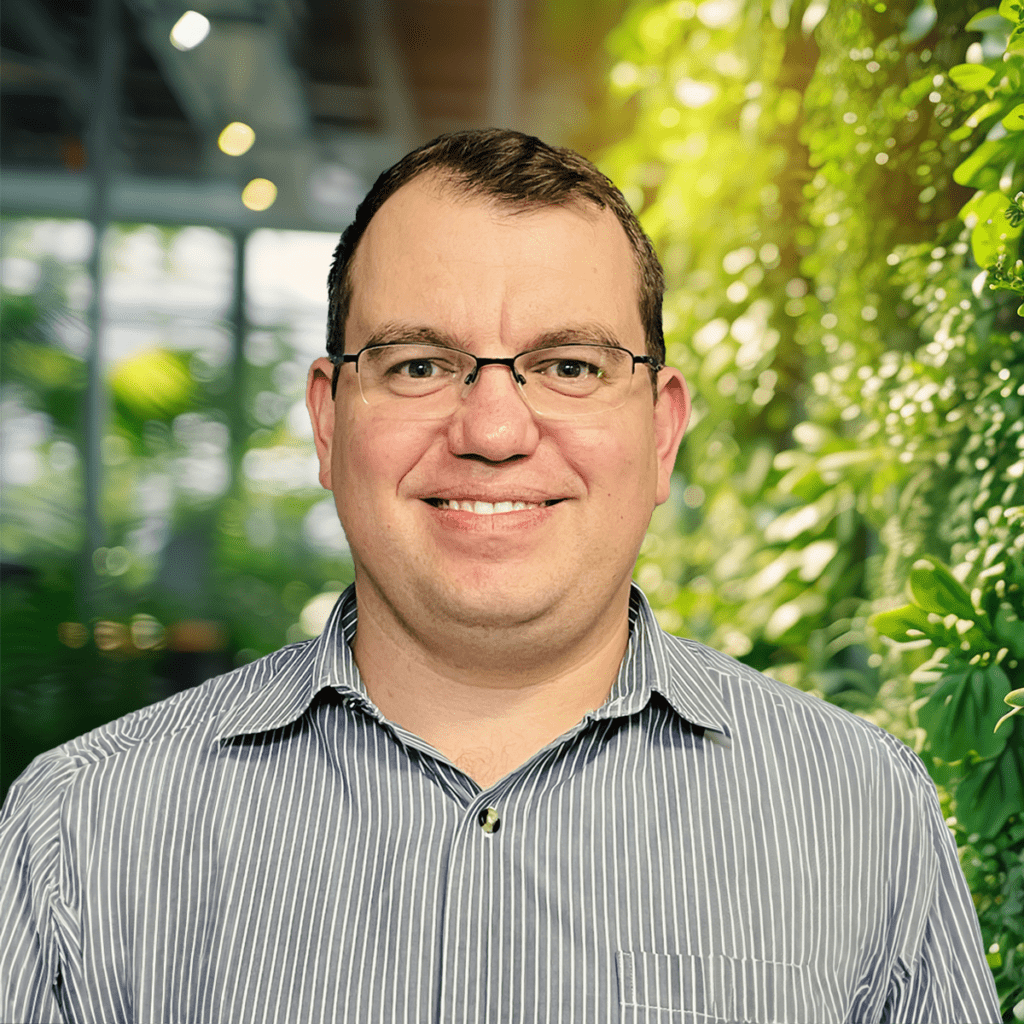
Philip Ayres
Managing Director, Life AgriScience and Sustainability and Innovation; Executive of the Life Green Group
Philip Ayres is a registered Professional Natural Scientist and Landscape Ecologist with over 15 years of experience in environmental consulting, research and implementation projects. He currently serves as the Sustainability & Innovation Executive at the Life Green Group, where he leads initiatives in sustainable land management and nature-based solutions. Philip is also the Managing Director of Life AgriScience, an applied environmental and agriculture research services business. His expertise lies in integrating ecological principles with practical solutions to promote sustainable development.
LinkedIn: https://www.linkedin.com/in/philip-ayres-4b24a152/

Gladys Belle
Postdoctoral researcher, Environmentalist, Centre for Mineral Biogeochemistry, University of the Free State
Gladys Belle is a researcher focused on the potential risks posed by pharmaceuticals of emerging concern in water resources and their implications for both aquatic ecosystems and human health. During her Postdoctoral studies, she worked on a grant from the Water Research Commission, focusing on the assessment of aquatic and human health risks associated with COVID-19 drugs in the Orange Sengu Transboundary River Basin. She was also involved in the National Research Foundation Postdoctoral Project, which focuses on the Risk assessment of COVID-19 drugs in water resources: sources, pathways, and receptors. Working now as a researcher at CMBG, Gladys wishes to shift her research focus towards solution-based initiatives that can positively impact the community while also exploring opportunities for commercialised research.

Professor Robert Richard Bragg
Emeritus Professor Veterinary Biotechnology, University of the Free State
Robert Richard Bragg obtained a B.Sc., B.Sc (hons) and M.Sc degrees from the University of the Witwatersrand, Johannesburg, South Africa. He obtained a PhD degree in May 1996 from the University of Pretoria. Title of thesis: Monoclonal antibody detection of growth stage and isolate dependent antigen expression in Haemophilus paragallinarum. He was employed by the Veterinary Research Institute, Onderstepoort. In 1990, he moved to Dept of Poultry Diseases, Faculty of Veterinary Science, Onderstepoort. In July 1998 he moved to Dept of Microbial, Biochemical and Food Biotechnology, Faculty of Natural and Agricultural Science, University of the Free State, Bloemfontein, where he run the Veterinary Biotechnology Research Group. In 2005 he was promoted to Professor. He is now an Emeritus Professor. He has published a total of 95 peer-reviewed articles and 9 book chapters. Apart from his ongoing work on infectious coryza, he also has an active research interest in disease control options in a post antibiotic era. This work is on improved biosecurity in animal production with a focus on resistance to disinfectants. He has produced 13 PhD students with 4 in process, 42 Masters students with 3 in process and 65 Hons students.
https://www.researchgate.net/profile/Robert-Bragg-40000-0002-2504-3758
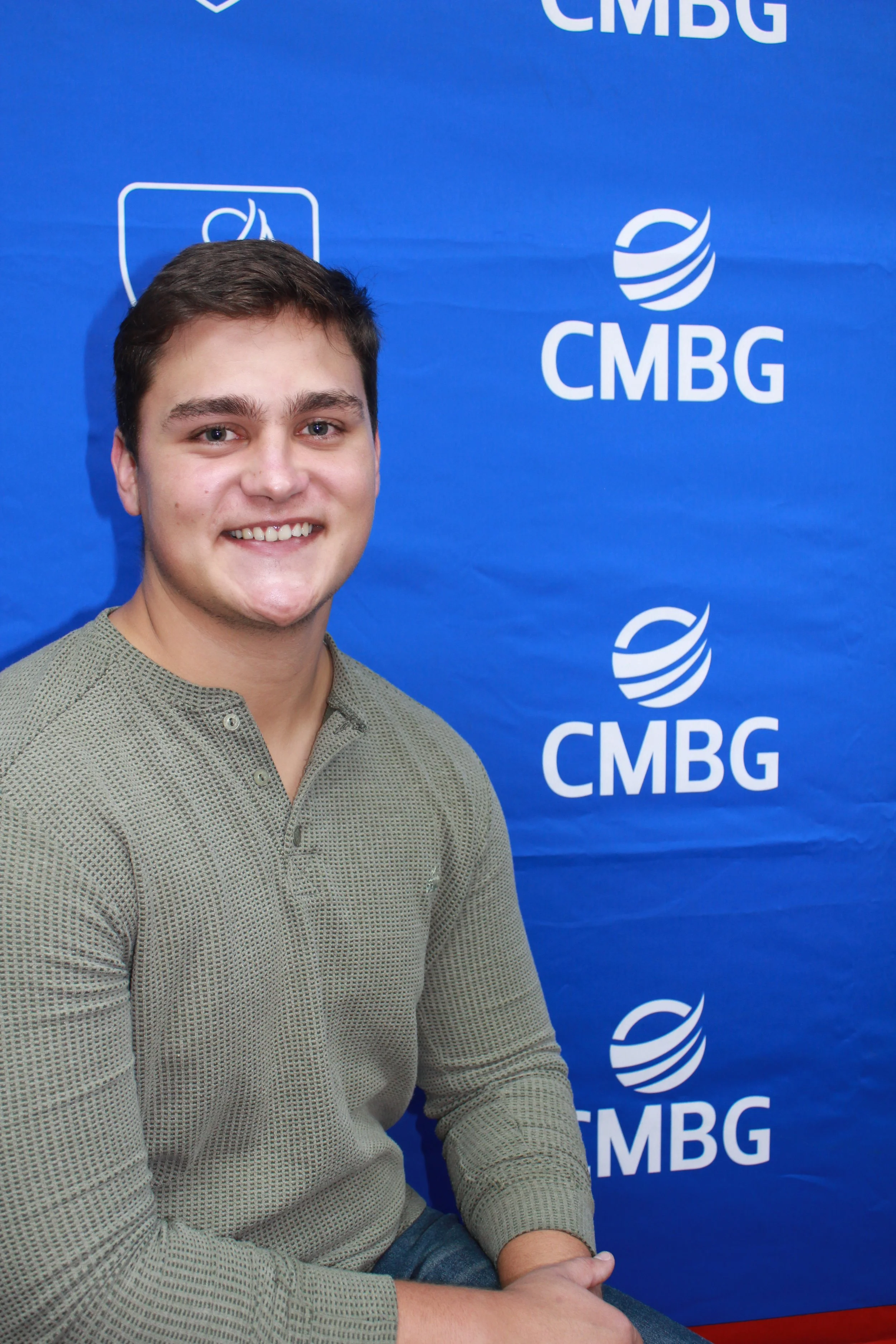
Luan Calitz
Research Assistant, Centre for Mineral Biogeochemistry, University of the Free State
Luan Calitz has a strong background in administration and a passion for contributing to scientific advancement, he brings a dynamic, adaptable and solutions-focused approach to my role at the Centre for Mineral Biogeochemistry. He thrives in fast-paced environments, where his ability to manage multiple tasks, meet tight deadlines and communicate effectively, adds value to both team efforts and independent projects. Over the years, he has developed a high level of organisational efficiency, attention to detail and a calm, analytical mindset, specially under pressure.
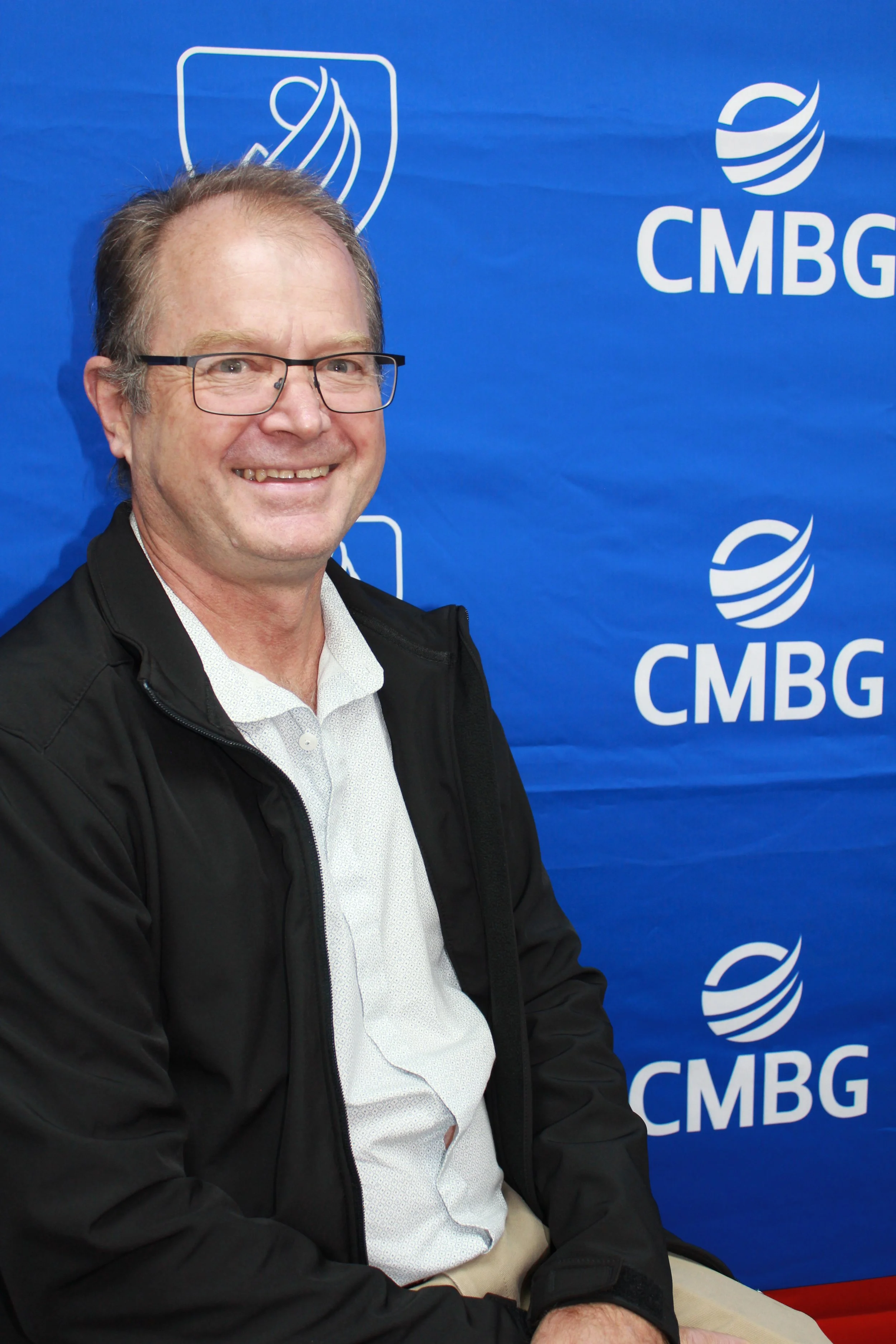
Dr Marius Claassen
Coordinator: Units, University of the Free State
Marius Claassen is an Aquatic Ecology who graduated with an MSc in Aquatic Ecology and a PhD in Ecological Risk Assessment. He has been involved in a broad range of research in the public and private sectors as well as in the international arena over the past 33 years. Dr Claassen’s key competencies are in regional water resources development, strategy and scenario development, ecosystem services, risk assessment, and decision support systems. His most recent involvement includes: Scenarios for the South African Maritime Sector; A Scalable Approach Towards Realizing Tangible Benefits in Transboundary River Basins and Regions; A Research, Innovation and Knowledge Management Road Map for the South African Maritime Sector; and Defining Adaptive Capacity in the Context of Environmental Change. Dr Claassen has published 11 papers in peer reviewed journals, edited 2 books, authored 11 book chapters, presented 61 conference papers, authored in excess of 100 research reports and published 18 popular publications.
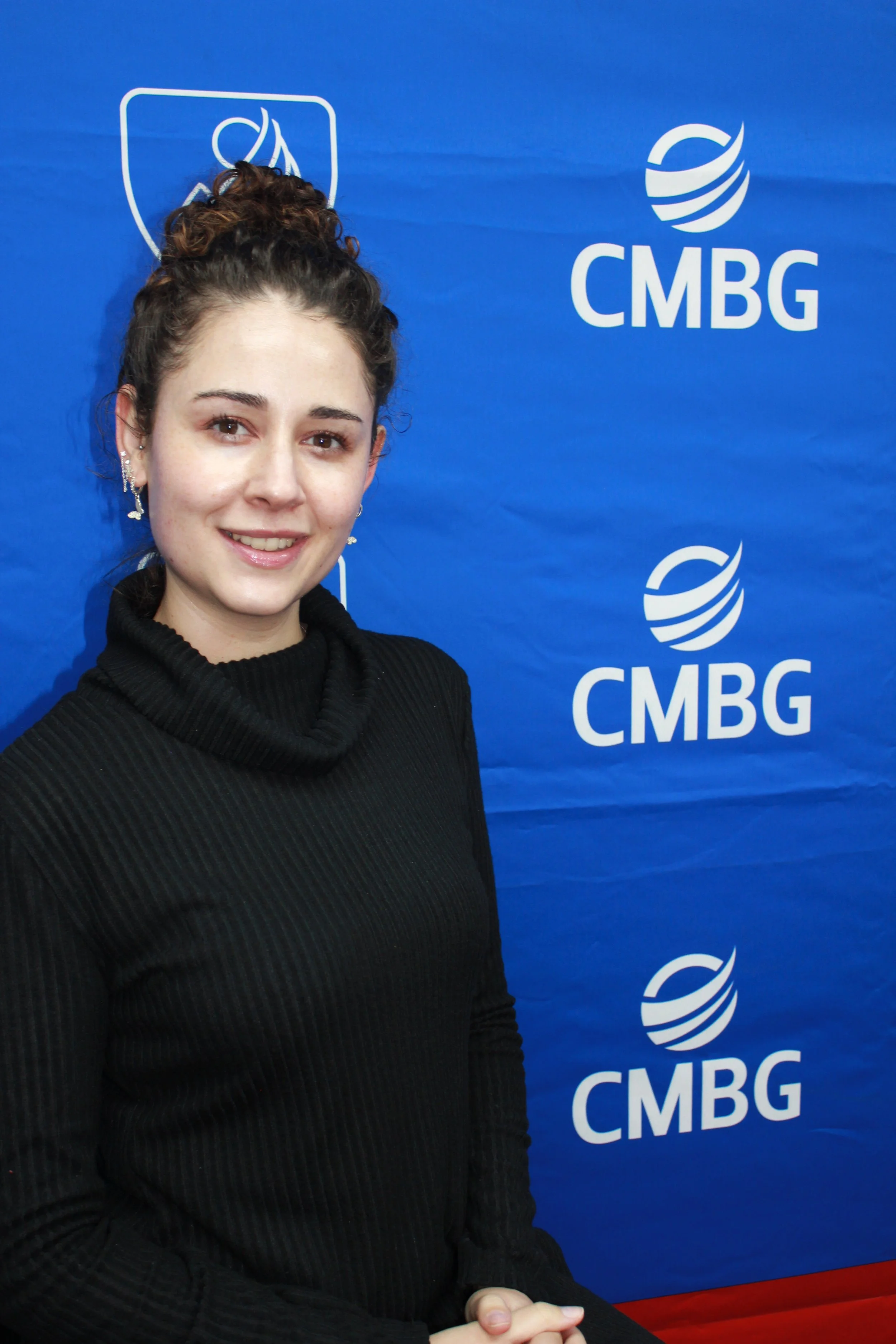
Azil Coertzen
PhD Candidate, Research Assistant, Centre for Mineral Biogeochemistry, University of the Free State
Azil Coertzen is a microbiologist, and his research focuses on Avibacterium paragallinarum, a bacterium responsible for infectious coryza in poultry, leading to reduced egg production. He has dedicated his studies to understanding this pathogen's mechanisms and its overall impact. As a PhD candidate, he aims to identify strategies to prevent infection. His work has been recognised at both national and international conferences, underscoring its significance in the field. Beyond his research, he is passionate about education and empowering the youth. He dedicates his free time to teaching, believing that education is the key to a brighter future. He hopes to inspire the next generation to appreciate the wonders of nature and the importance of science in solving real-world problems.
ORCID: https://orcid.org/0000-0002-1232-2336
LinkedIn: www.linkedin.com/in/azil-coertzen
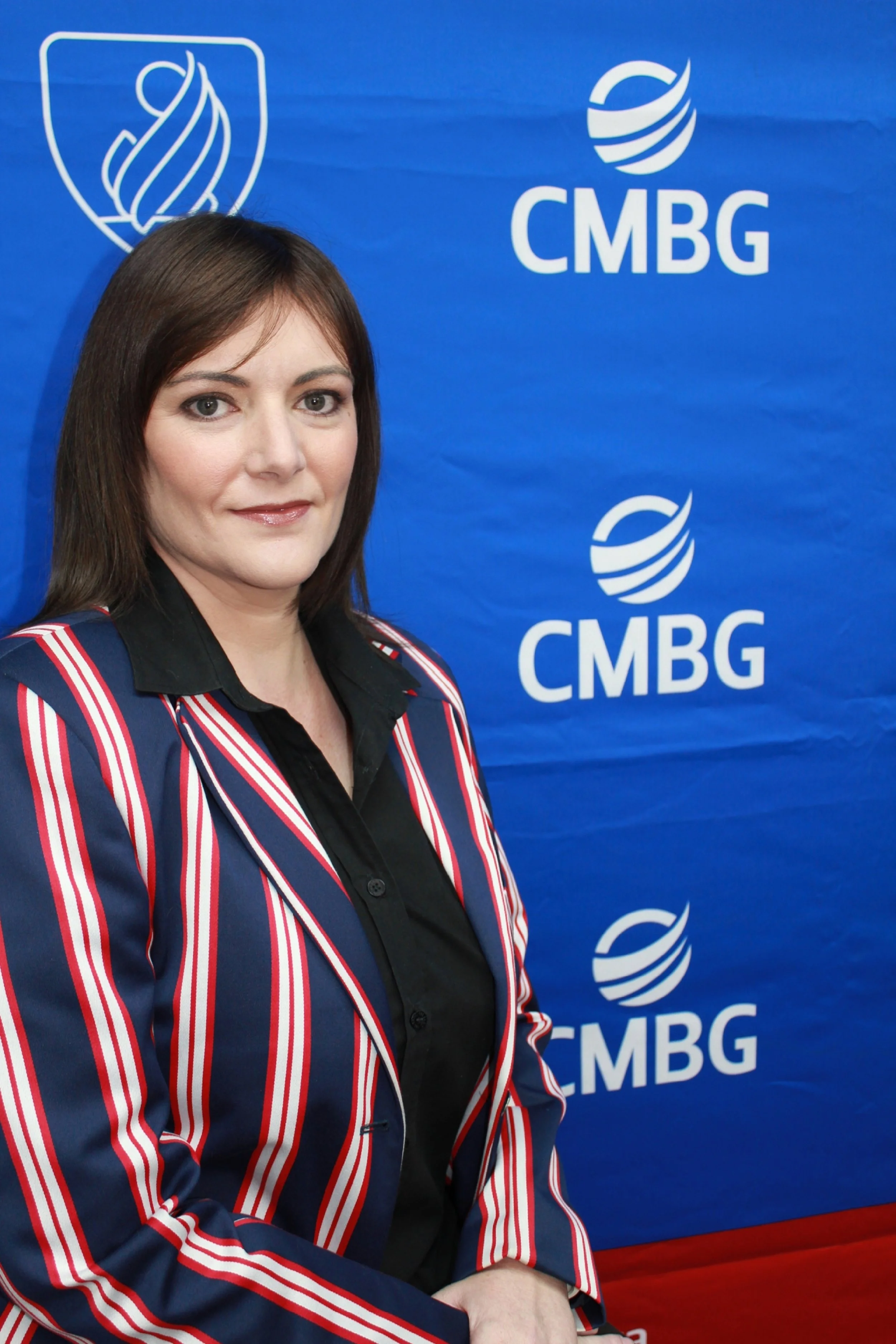
Dr Mariana Erasmus
Microbiologist and Biogeochemist, Director, Centre for Mineral Biogeochemistry, University of the Free State
Mariana Erasmus is an accomplished researcher and specialist in nature-based solutions who has dedicated her career to advancing scientific research and developing sustainable solutions for environmental challenges. Mariana's research is characterised by its diversity and impact, covering areas such as bioremediation, soil rehabilitation, and sustainable agriculture. She has authored/co-authored 24 scientific publications, including articles in high-impact journals like Nature and Nature Communications. Her work has attracted over R 53 million in research grants, demonstrating the value and relevance of her research. Beyond her research, Dr Erasmus is deeply committed to teaching and mentoring, supervising 14 students, including doctoral candidates and post-doctoral researchers. She is also actively involved in engaged scholarship, contributing to high standards in scientific research and community outreach, by serving as an academic examiner, reviewer, editor, expert witness, and an EXCO member of a Science and Technology Fair. Mariana continues to strive for impactful contributions to environmental science and sustainable development, fostering the growth and development of future scientists and leaders.
LinkedIn: https://www.linkedin.com/in/mariana-erasmus-2855373a/
ORCID: https://orcid.org/0000-0003-2191-762X
Google Scholar: https://scholar.google.co.za/citations?hl=en&user=zsBvCxgAAAAJ
Research Gate: https://www.researchgate.net/profile/Mariana-Erasmus
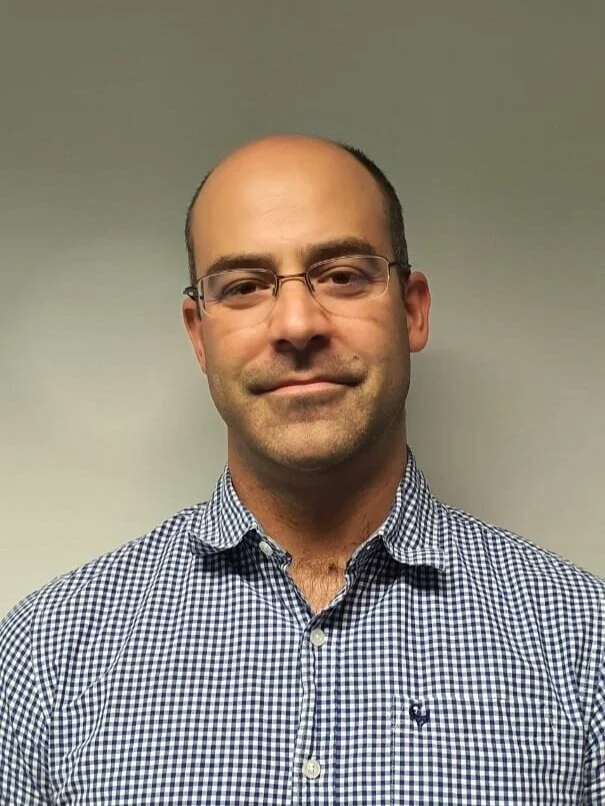
Dr Robert Hansen
Environmental Geochemist, Geology, University of the Free State
Robert Hansen is a senior lecturer for Environmental Geochemistry in the Department of Geology at UFS. He is an environmental geochemist with industry and research experience in (bio)geochemical systems.
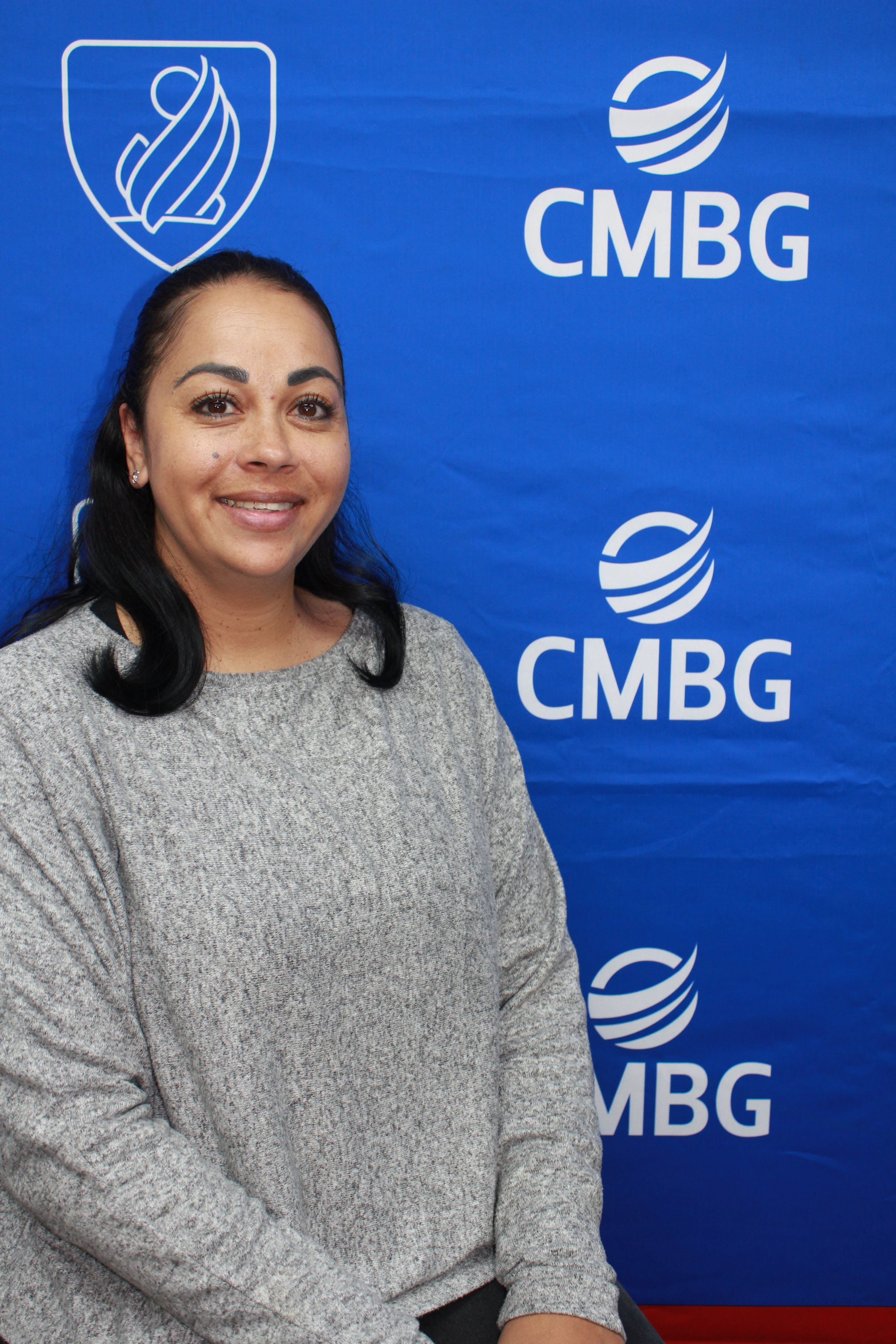
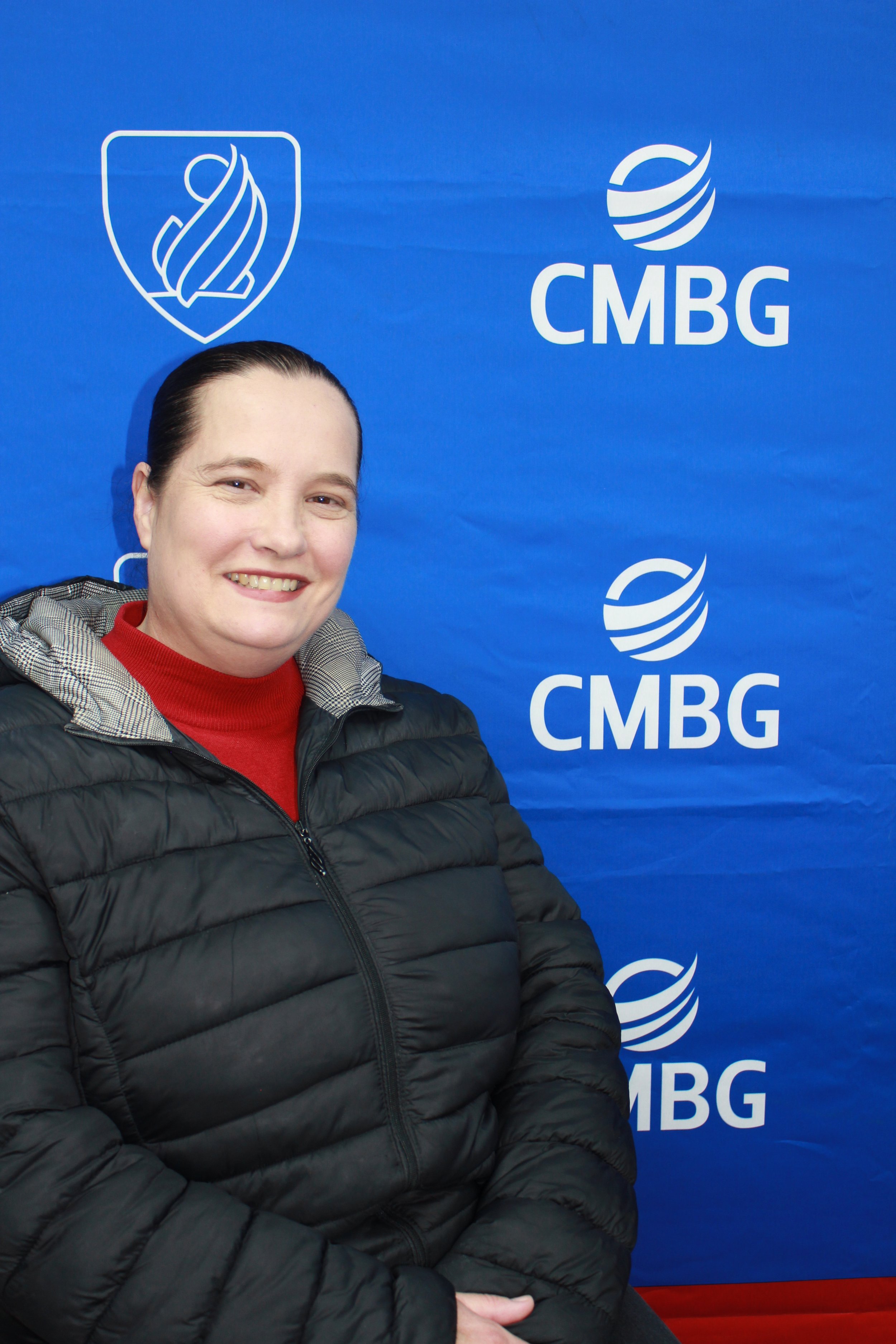
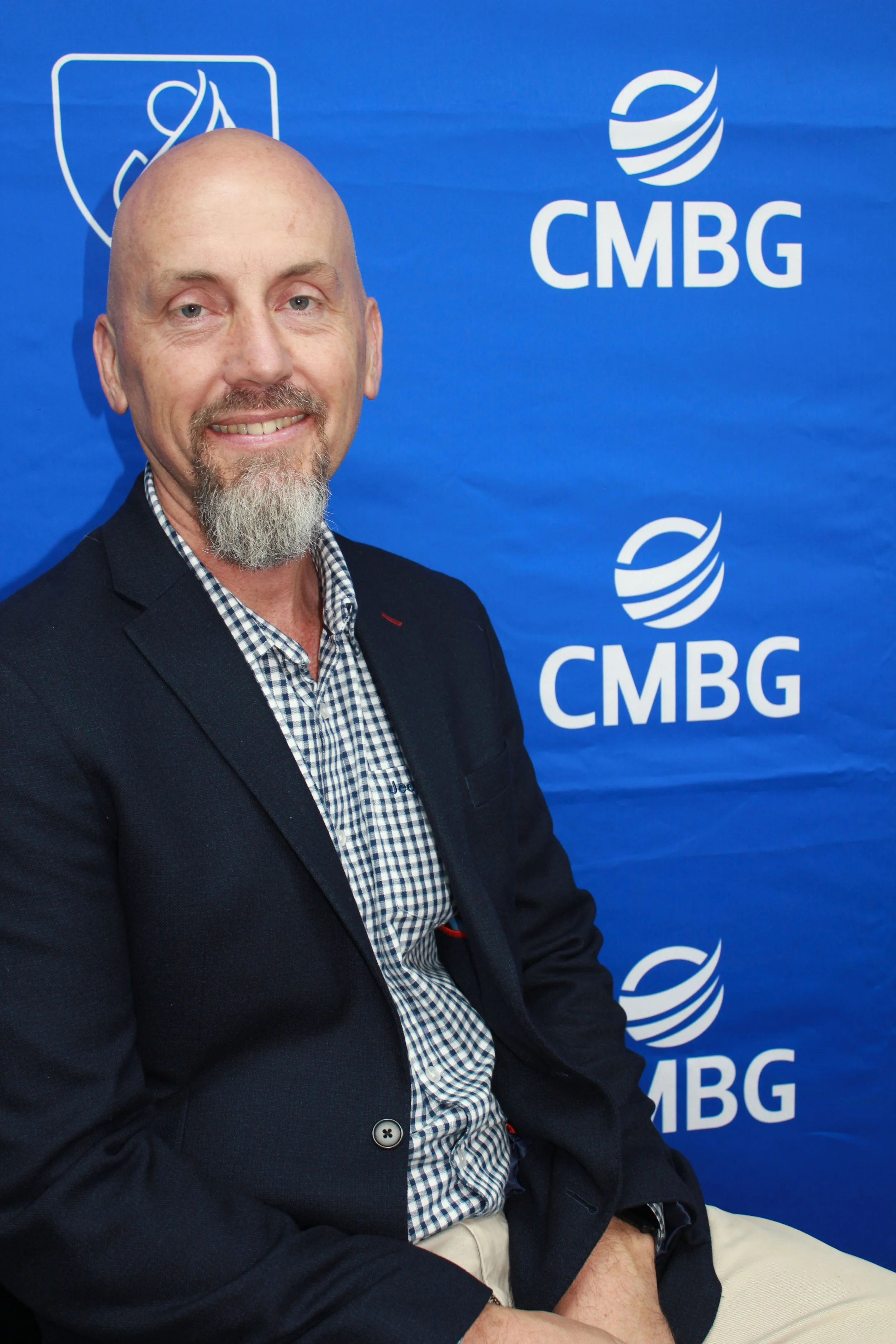
Zakia Johnson
Office Manager, Centre for Mineral Biogeochemistry, University of the Free State
Zakia Johnson has a strong background in administration and a passion for contributing to scientific advancement, he is dynamic, adaptable and brings a solution-focused approach to his role at the Centre for Mineral Biogeochemistry. He thrives in fast-paced environments, where his ability to manage multiple tasks, meeting tight deadlines and communicate effectively, adds value to both team efforts and independent projects. Over the years, he has developed a high level of organisational efficiency, attention to detail and a calm, analytical mindset, especially under pressure.
Yolandi Louise Kotzé
Geohydrologist and Environmental Scientist, University of the Free State
Yolandi Louise Kotzé is an accomplished geohydrologist and environmental scientist. With a PhD in Geohydrology from the University of the Free State, she has over two decades of multidisciplinary experience spanning water resource management, groundwater governance, capacity development, water security, national and international water law, environmental pollution and environmental disease management. Dr Kotzé has led and contributed to numerous national and international research projects, particularly for the WRC and Danish EPA, while affiliated as researcher at the Institute for Groundwater Studies and currently at the Centre for Mineral Biogeochemistry. Her work focuses on sustainable water solutions and ecological engineering for the agricultural, municipal, industrial, and mining sectors.
Johan Christiaan Kriek
PhD Candidate, Director, Gleam Hydro Pty Ltd, University of Free State
Johan Kriek has 20+ years of environmental and contamination consulting and project management experience. He has provided key specialists services relating to water (hydrology and geohydrology) and contaminated land management. His duties have included detailed site investigations, remediation design and implementation, water characterisation and management projects, project management of large projects as well as environmental management. He has managed projects ranging from single site to rapid response multi-site projects as well as multi- jurisdictional programmes. Many of these projects have involved him pulling together and managing teams from across different geographies. He has worked in Central, Southern and West Africa, in countries including Angola, Botswana, Burkina Faso, Chad, Lesotho, Liberia, Mozambique, Namibia, South Sudan, Swaziland, Tanzania, The Gambia, Uganda and Zimbabwe.
Website: www.gleamhydro.co.za
LinkedIn: www.linkedin.com/in/johan-kriek-1b057414/
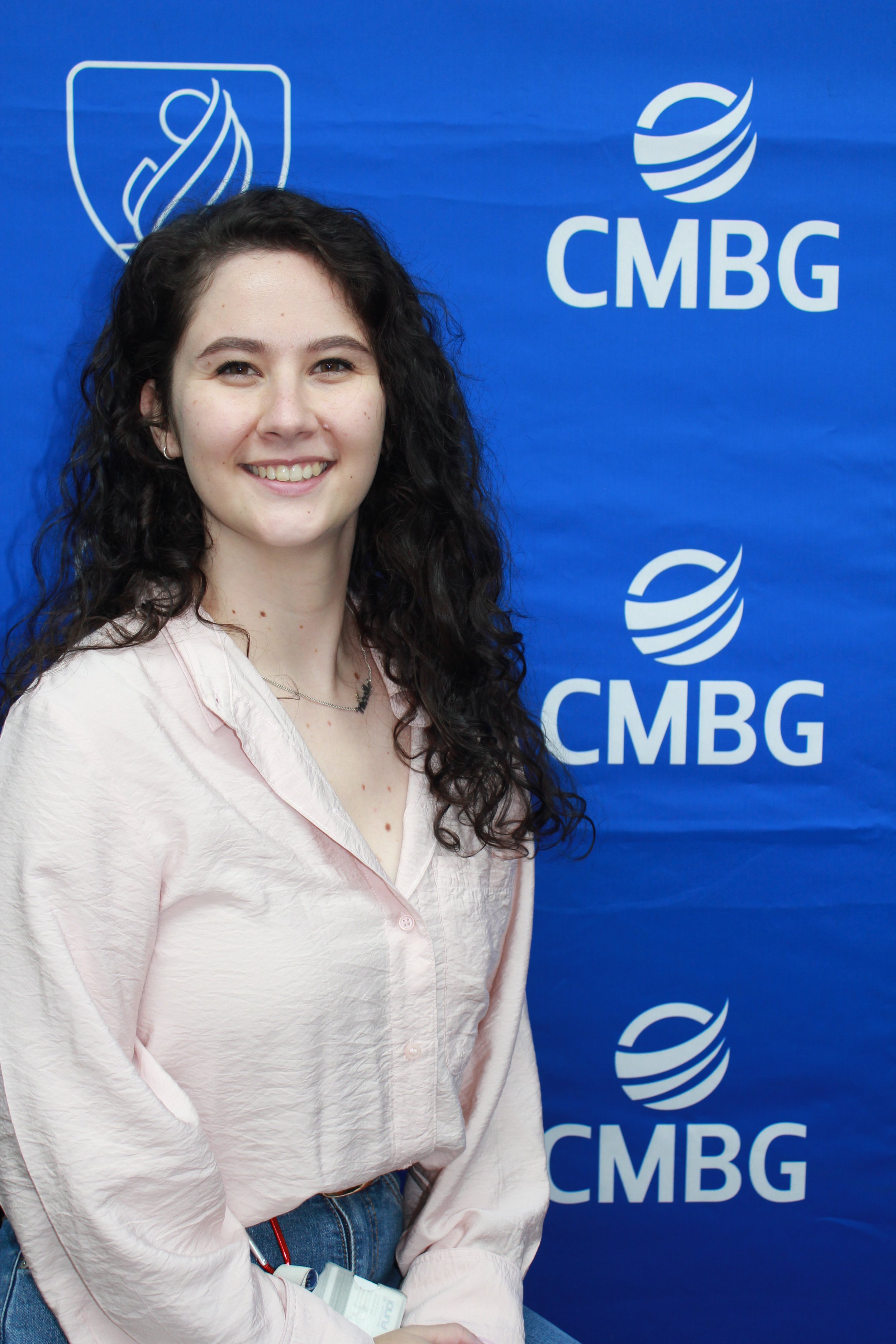
Nicolle Loader
Assistant Researcher, Centre for Mineral Biogeochemistry, MSc candidate, Geography, University of Free State
Nicolle Loader is a researcher at the Centre for Mineral Biogeochemistry (CMBG) at the University of the Free State (UFS), where she works on land rehabilitation and environmental restoration projects aimed at revitalising degraded and mining-impacted landscapes. Alongside her professional role, she is pursuing a master’s degree in the Department of Geography at UFS. Her academic research focuses on the analysis of extreme temperature indices and climate datasets across South Africa, with a particular interest in the implications for agriculture, water management, and environmental resilience. With a unique position at the intersection of practical restoration and climate research, Nicolle is committed to bridging the gap between science and society. She is an enthusiastic science communicator who enjoys creating engaging content—such as maps, visuals, and short videos - to make complex environmental issues more accessible to wider audiences. Whether in the field, lab, or online, Nicolle brings curiosity, creativity, and a deep sense of purpose to her work in shaping a more informed and sustainable future.
LinkedIn: www.linkedin.com/in/nicolleloader
ORCID: https://orcid.org/0000-0002-5586-5277
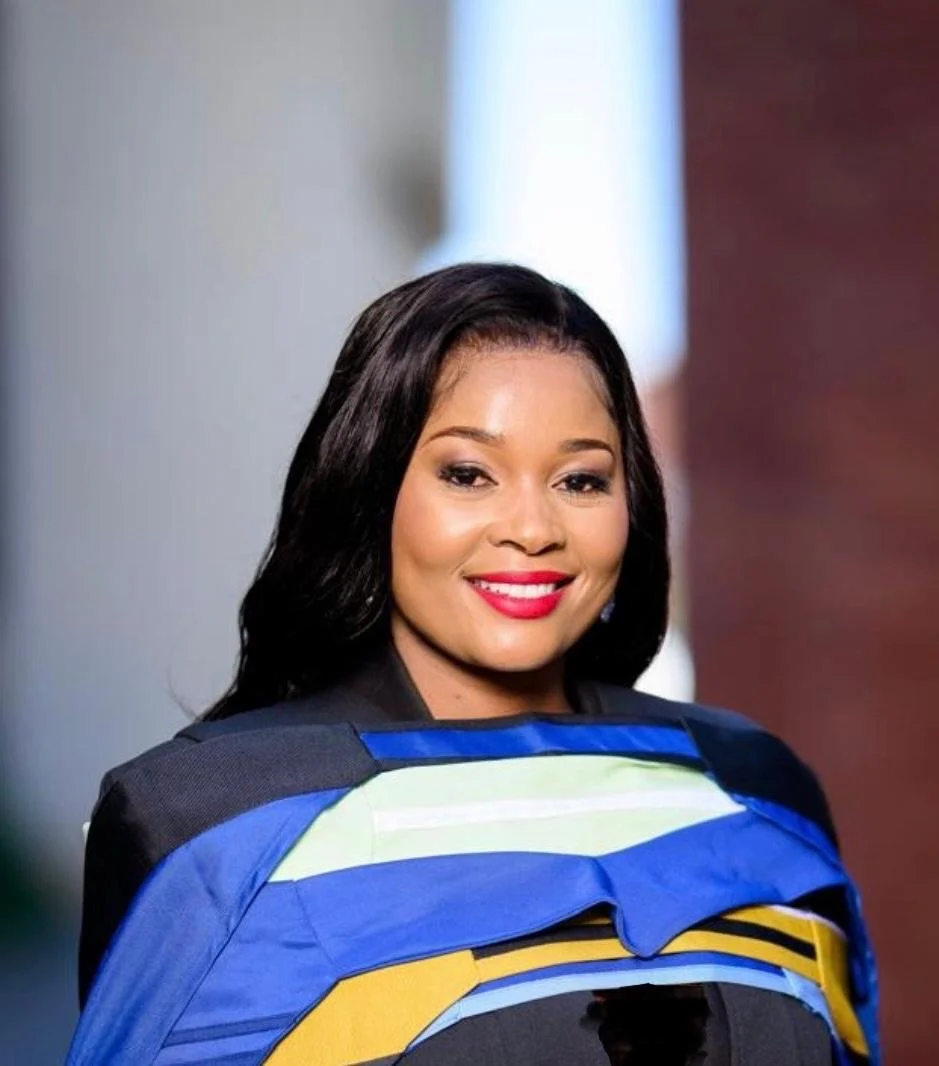
Philasande Mahlako
PhD Candidate, Environmental Officer, University of Free State, Inkomati-Usuthu Catchment Management Agency
Philasande Mahlako is an accomplished Environmental Officer with the Inkomati-Usuthu Catchment Management Agency, where she specialises in compliance monitoring and enforcement across the Inkomati-Usuthu Water Management Area in Mpumalanga, South Africa. She holds a Master of Science in Integrated Water Resource Management and is currently pursuing a PhD in Land Rehabilitation at the University of the Free State’s Centre for Mineral Biogeochemistry. With expertise spanning water quality regulation, ecosystem health, catchment governance and land-use sustainability, Philasande is deeply committed to advancing science-based environmental governance. Her research focuses on the ecological rehabilitation of degraded landscapes and the integration of biogeochemical principles into sustainable land and water management. She has presented her work at national and international conferences and is dedicated to bridging the gap between academic research and policy implementation for improved catchment resilience and environmental protection.
LinkedIn: https://www.linkedin.com/in/philasande-mahlako-7a2271312/
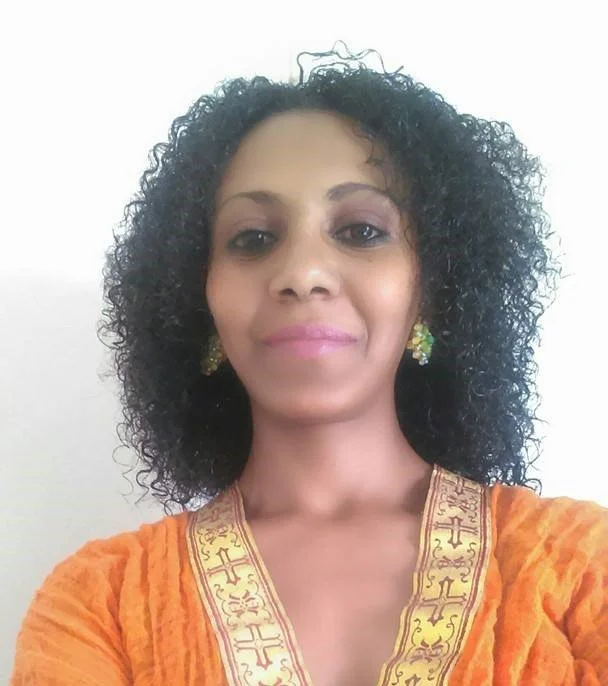
Makda Asmerom Mahrai
PhD candidate, Centre for Mineral Biogeochemistry, University of Free State
Makda Mahrai is a PhD candidate at the Centre for Mineral Biogeochemistry (CMBG) at the University of the Free State (UFS). She is specialising in microclimate dynamics within agrivoltaic systems and their role in degraded land rehabilitation. She holds a master’s degree in Pasture Science from the University of Pretoria and has obtained her B.Sc. in Animal Sciences from the University of Asmara, which laid the foundation for her interest in enhancing animal performance through improved forage quality before receiving her B.Sc. Hons in crop science from the University of Pretoria. Her academic and research topics of interest centre on mine land rehabilitation, climate change mitigation and forage quality. In her free time, she enjoys sightseeing, hiking, and exploring nature-based activities.

Ayabonga Makatala
Assistant Officer, Centre for Mineral Biogeochemistry, University of Free State
Ayabonga Makatala is a dedicated agricultural professional originally from Engcobo in the Eastern Cape and currently based in Bloemfontein. She holds a Master’s degree in Sustainable Agriculture from the University of the Free State, which she completed in 2024. Ayabonga’s academic journey also includes a National Diploma in Farming Management from King Hintsa TVET College, an Advanced Diploma in Agricultural Extension from the Central University of Technology, and a Postgraduate Diploma in Sustainable Agriculture from UFS. Her career experience spans administrative and agricultural roles, including her current position as an Assistant Officer at the Centre for Mineral Biogeochemistry at UFS. She brings a strong work ethic, a passion for sustainable farming, and proven skills in communication, administration, and teamwork. With practical experience in crop and livestock farming, Ayabonga is committed to advancing agricultural development and food security in South Africa.
LinkedIn: https://www.linkedin.com/in/ayabonga-makatala-562322193
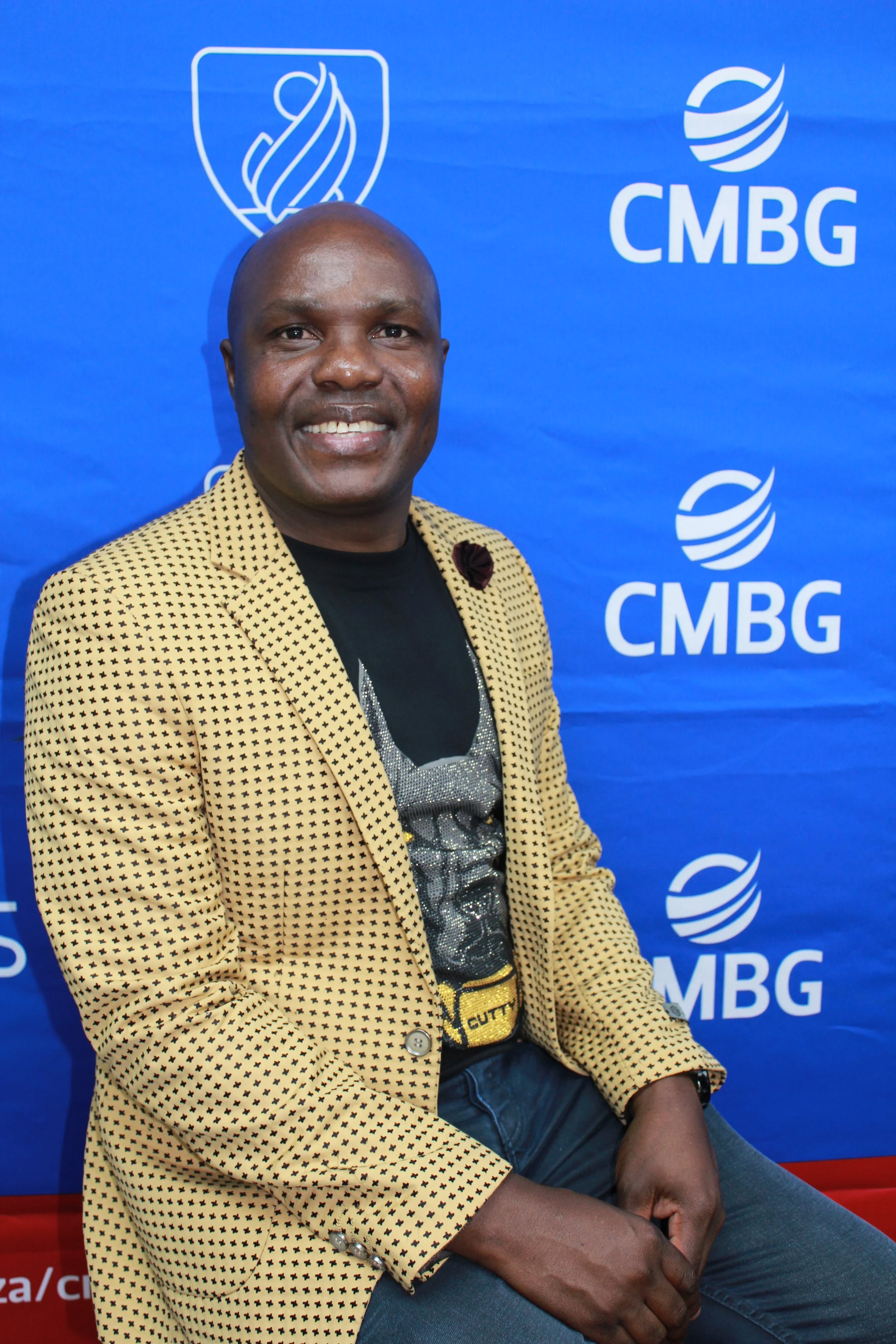
Lucky Mamanyuha
PhD Candidate, Production Scientist (Soil Science), University of Free State
Lucky Mamanyuha graduated with an M.Sc. in Agriculture (Soil Science) in 2012 from the University of Limpopo. His MSc research, titled “Evaluation of three commercial composts used by small-scale farmers in Limpopo Province, South Africa,” focused on optimising organic soil amendments for improved productivity among smallholder farmers. This followed the successful completion of a B.Sc. in Agriculture (Soil Science) in 2004 at the University of Limpopo He has over 20 years of extensive experience in the Limpopo Department of Agriculture and Rural Development and has served in various capacities dedicated to soil fertility and land resource management. Since 2009, he held the position of Production Scientist (Crop Soil and Water) under the Crop Science Research Section at the Department’s Head Office. His earlier roles include Agricultural Scientist (Soil Scientist) in the Vhembe District across Thulamela (2008–2009), Makhado (2007–2008), and the District Office (2005–2007). He began their career in 2005 at the Agricultural Research Council’s Institute for Soil, Climate, and Water (ARC-ISCW) as part of the Professional Development Program. He is currently a PhD candidate in Land rehabilitation at the University of the Free State, Centre for Mineral Biogeochemistry, Faculty of Natural and Agricultural Sciences. Mr Mamanyuha Lucky has maintained a strong research presence through oral and poster presentations at numerous scientific and professional conferences.
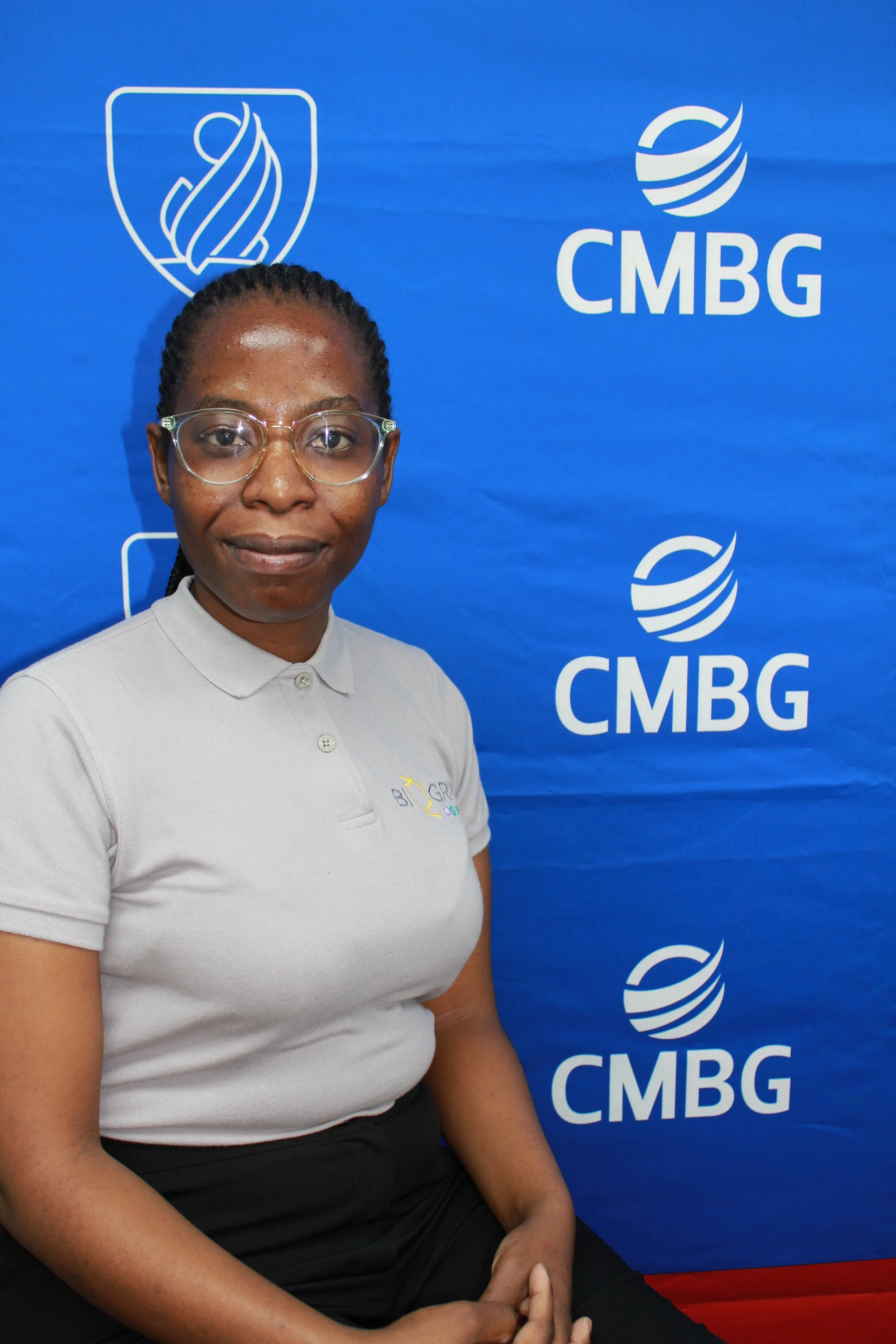
Ouma Ngoepe
Assistant Researchers/Laboratory Coordinator, Centre for Mineral Biogeochemistry, University of Free State
Ouma Ngoepe is the Laboratory Coordinator at the Centre for Mineral Biogeochemistry, University of the Free State. She has a strong background in Geology and Geohydrology, she holds a BSc in Geology, BSc Honours in Geohydrology, and an MSc in Geohydrology. Her research interests include groundwater quality, mineral–microbe interactions, and sustainable land rehabilitation of mining-affected areas. She is skilled in lab management, sample preparation and analysis, and the development of standard operating procedures. Passionate about science communication and mentorship, she is also actively involved in departmental training and outreach programmes.
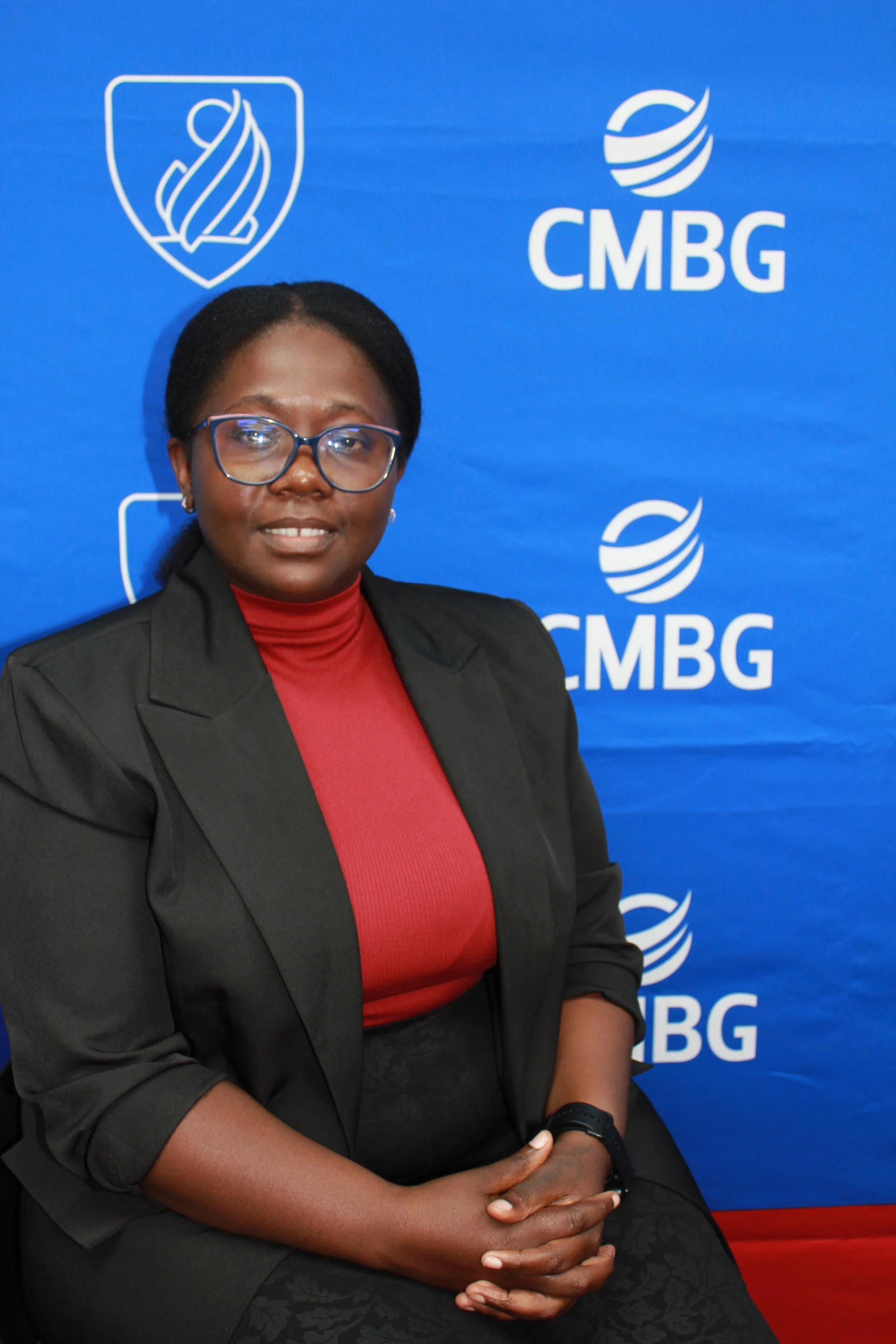
Nyiko Gift Mutileni
PhD candidate, Land Rehabilitation, University of Free State
Nyiko Mutileni is an Environmental Scientist at ZZ2, where she leads biodiversity initiatives and ensures compliance with GLOBALG.A.P. and SIZA Environmental standards. In her spare time, Nyiko volunteers with the Custodians of Rare and Endangered Wildflowers, a SANBI-led programme monitoring threatened species, and serves on the committee of Friends of the Haenertsburg Grasslands, which protects the critically endangered Woodbush Granite Grassland. She also writes environmental awareness articles for Mountain Getaway, a local tourism magazine. Her work bridges science, policy, and community engagement in support of sustainable landscapes.
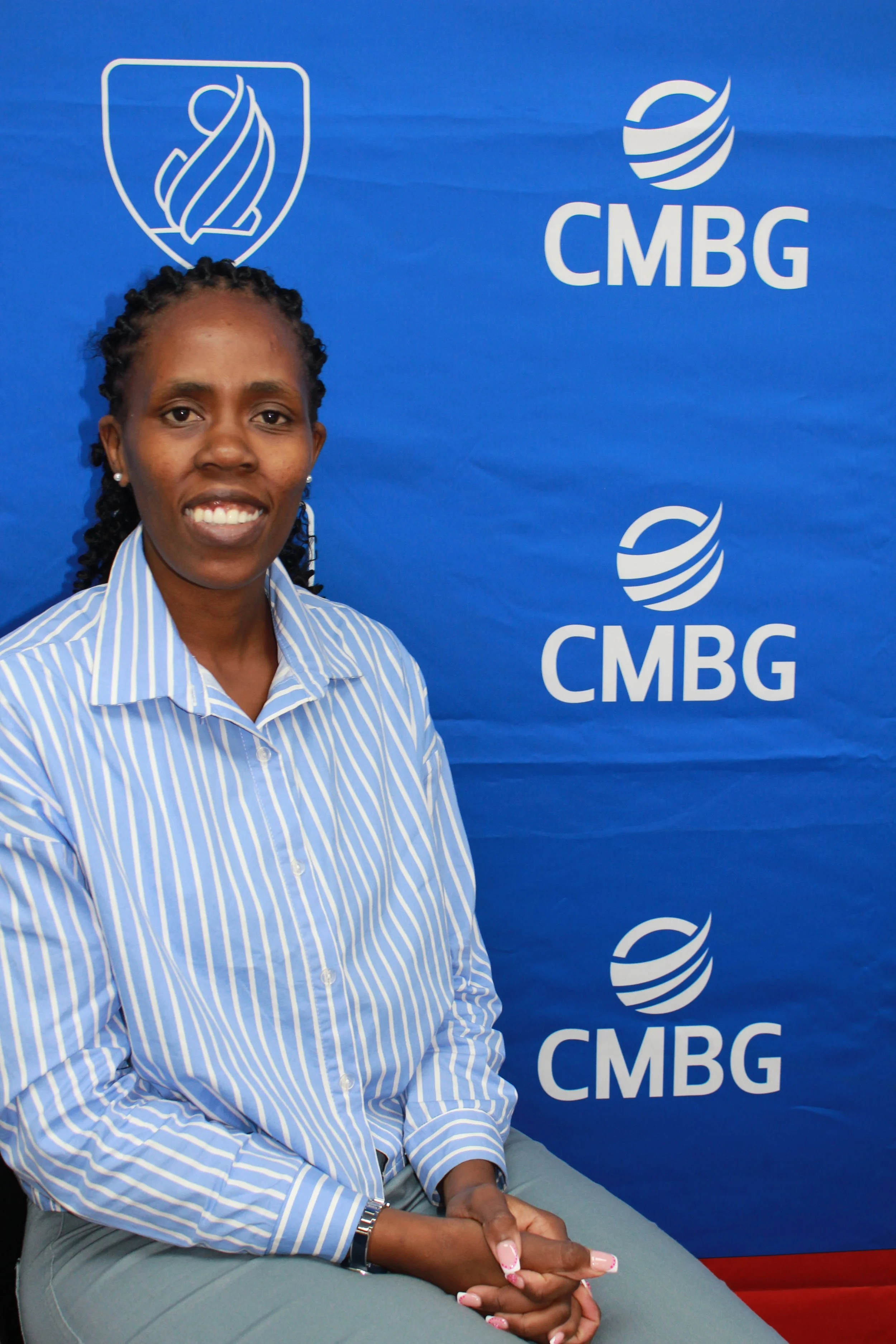
Thuto Ramosoeu
PhD candidate, Geohydrologist, University of Free State
Thuto Ramosoeu is a PhD candidate in Land Reclamation at the University of Free State, conducting research under the Centre for Mineral Biogeochemistry. Her research investigates the impact of azithromycin metabolites on aquatic ecosystems and human health, as well as the role of land rehabilitation strategies in mitigating these risks. With a background in geology and geohydrology as well as a completed master’s degree investigating the risk of azithromycin on the aquatic ecosystem and human health, Thuto is passionate about addressing pharmaceutical pollution and advancing sustainable management of water resources. Her work aims to provide actionable insights for improving policy and environmental management strategies in Southern Africa.
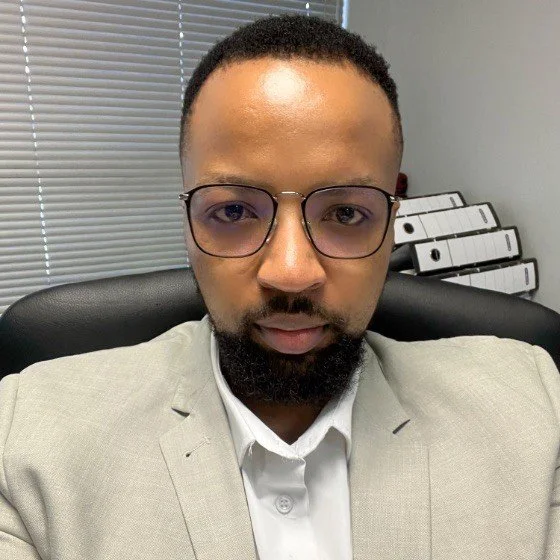
Selunathi Sakwe
PhD candidate, Centre for Mineral Biogeochemistry, University of Free State
Selunathi Sakwe obtained his Bachelor of Science degree in Biological Sciences and his Bachelor of Science with Honours in Botany from Walter Sisulu University (WSU), where he enhanced his understanding of plant-water interactions. His academic pursuits culminated in a Master of Science in Zoology (WSU), focusing on the distribution and diversity of benthic invertebrates, which serve as vital indicators of river health. His research provided significant insights into ecosystem resilience, laying the foundation for his subsequent endeavours in conservation and policy. His areas of expertise include: Ecosystem Monitoring & Conservation, Water Quality Management, Policy Development & Implementation, Research & Innovation, Human Capital Development.
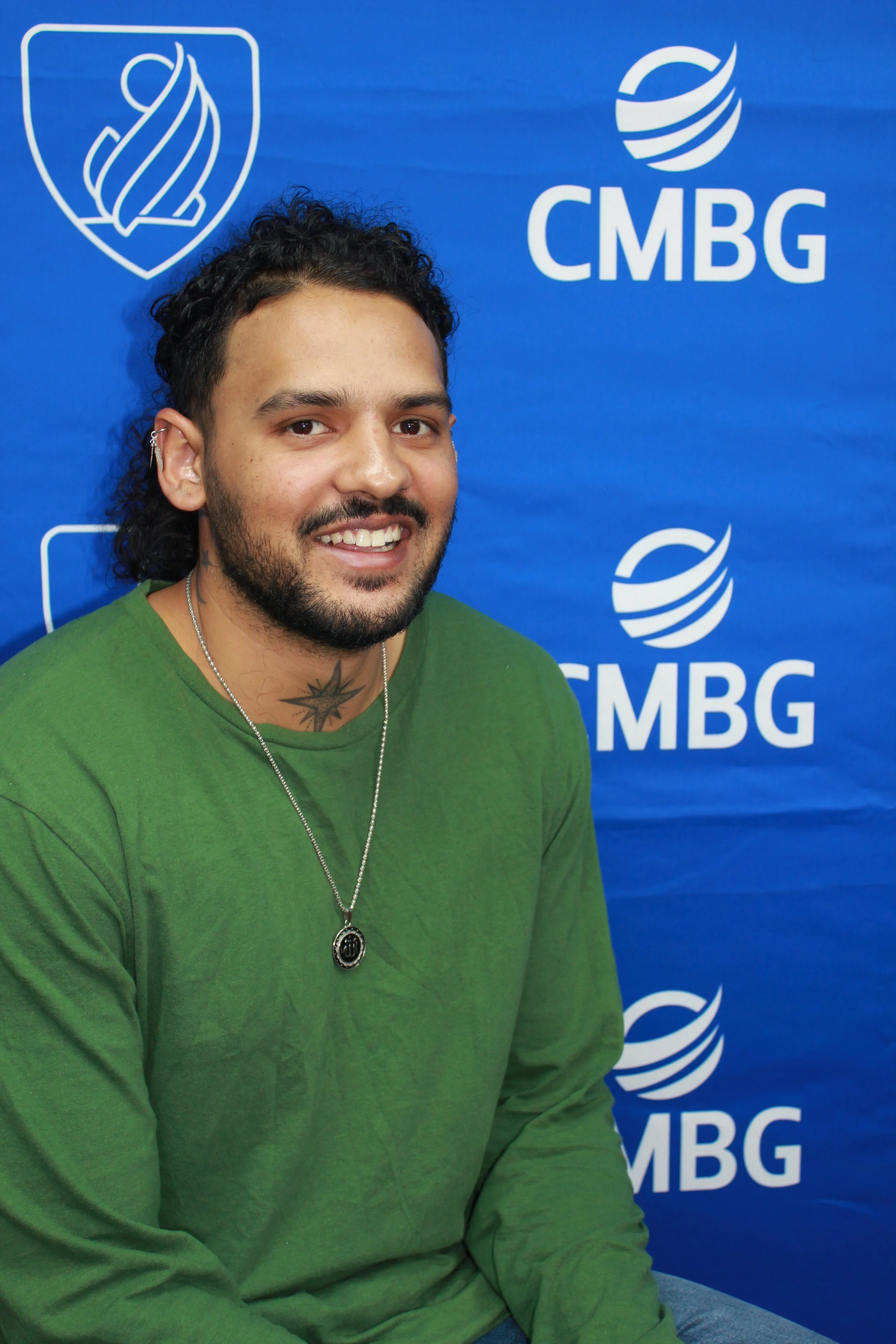
Muhammad Sallie
Research Assistant, Medical Microbiology, Centre for Mineral Biogeochemistry, University of Free State
Muhammad Sallie is currently pursuing an honours degree majoring in medical microbiology and virology with the aim of becoming a researcher in future focusing on bioremediation and biosafety. Currently as a research assistant at CMBG he assists with DNA extractions and is keen to learn more molecular lab techniques and sampling techniques for the purpose of improving analysis for land and water rehabilitation.
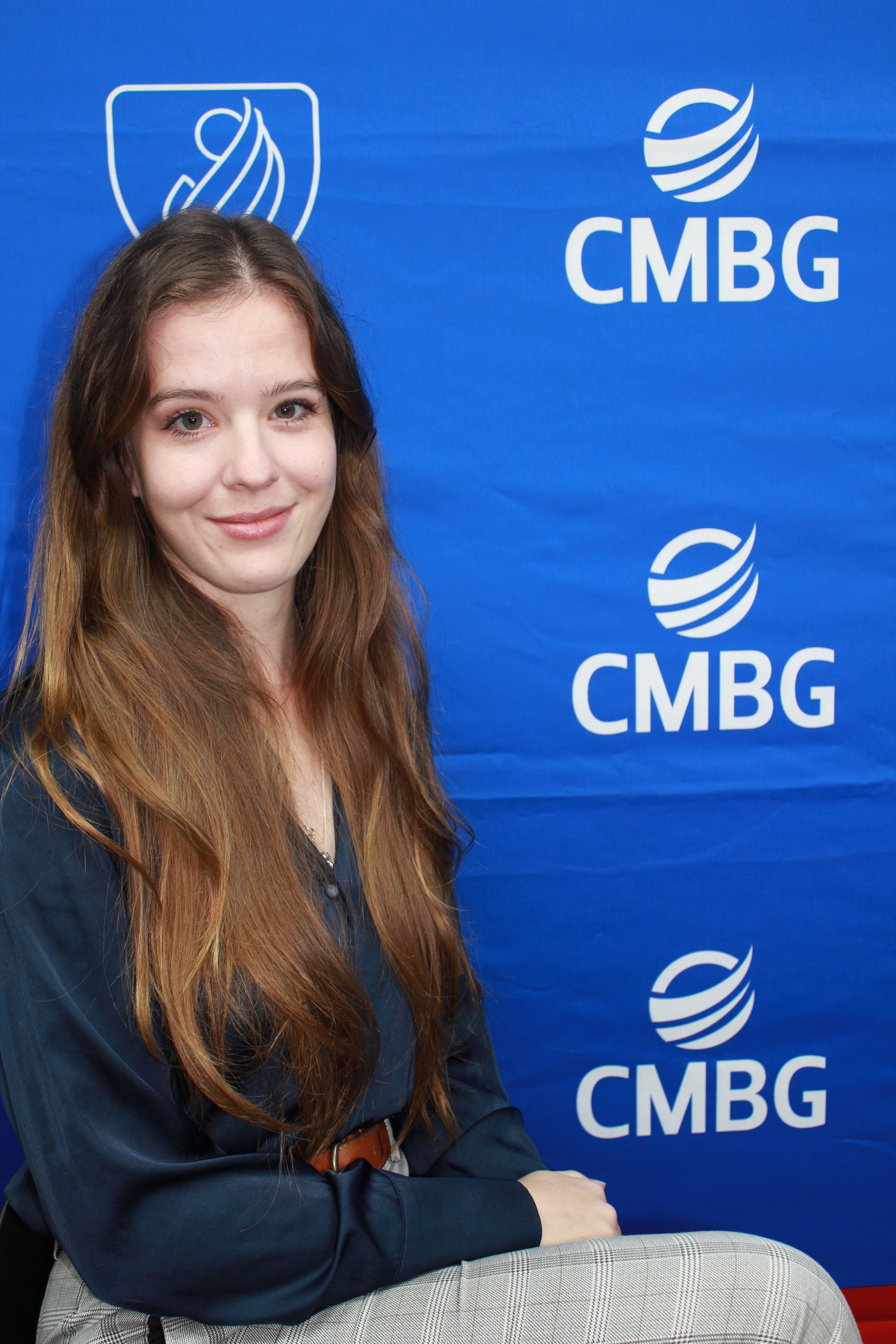
Wanja Swart
PhD candidate, Medical Microbiology, Research Assistant, Centre for Mineral Biogeochemistry, University of Free State
Wanja Swart is a PhD candidate in Medical Microbiology at the University of Free State, South Africa, focusing on a one health approach to the hypervirulence and antimicrobial resistance of ESKAPE pathogens in clinical and veterinary settings. Her research builds on a master’s degree focused on the connection between antibiotic and disinfectant resistance in clinically significant species of Serratia marcescens, and an Honours degree exploring resistance patterns on high-touch clinical surfaces.
LinkedIn: https://www.linkedin.com/in/wanja-swart-7806871b8/
ORCID: https://orcid.org/0000-0002-5510-1509
Research Gate: https://www.researchgate.net/profile/Wanja-Swart-2
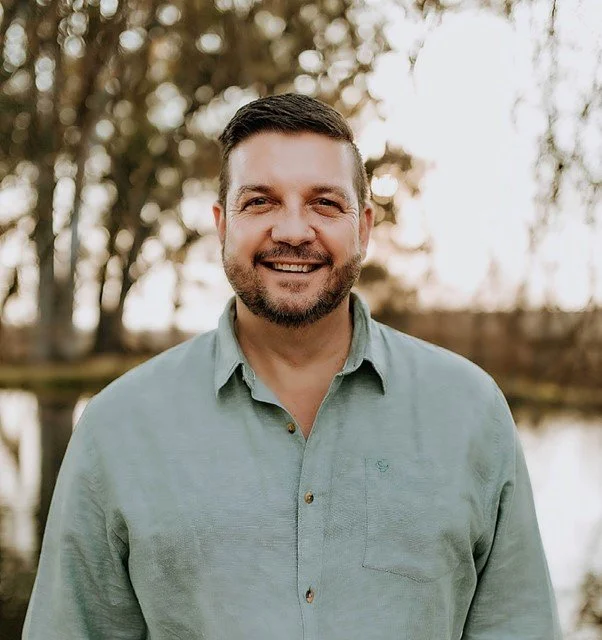
Prof Wayne Frederick Truter
Executive Manager, Green Futures Hub, University of Free State
WayneTruter is a Registered Professional Natural Scientist in the field of Agricultural and Environmental Sciences. He holds a PhD from the University of Pretoria and currently serves as a Full Research Professor in the Faculty of Natural and Agricultural Sciences, CMBG at the University of the Free State. In addition, he is the Executive Manager of the GREEN FUTURES HUB and a founding member of the Land Rehabilitation Society of Southern Africa (LaRSSA). Prof. Truter's expertise lies in the regeneration planning and management of degraded or mined agricultural land, with a strong focus on the interactions between soil, grasses, legumes, water, livestock, and wildlife. His work emphasises the development of sustainable, practical, and economically viable regenerative land use systems in disturbed environments. With over 26 years of research experience, Prof. Truter has led numerous studies on regenerative agriculture and land rehabilitation, particularly through the use of agricultural and industrial byproducts as soil ameliorants. He also leads the South African Circular Agriculture Initiative (SACAI), a national programme under the Department of Science, Technology and Innovation, in collaboration with the CSIR.
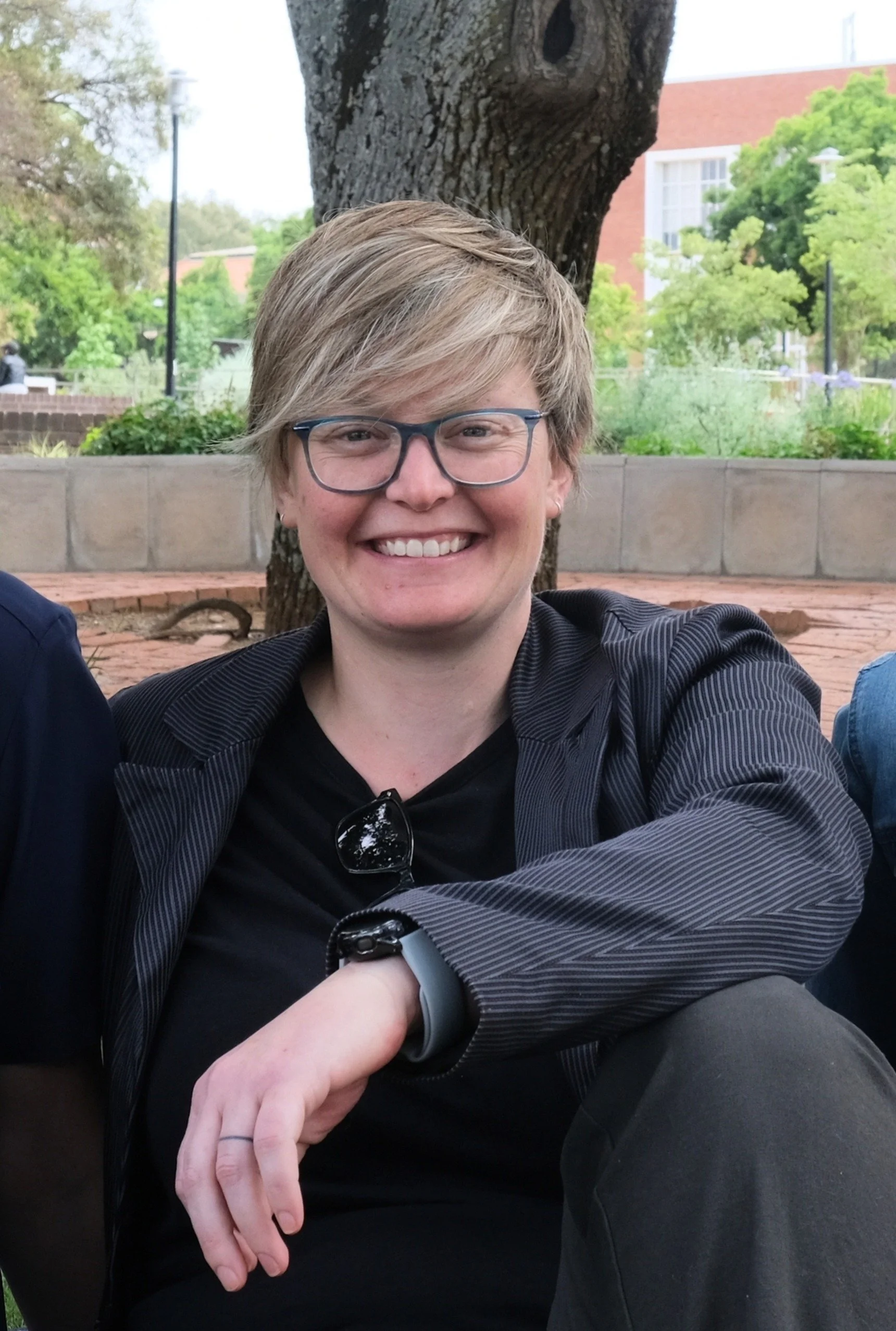
Dr Megan Welman-Purchase
Geologist, Lecturer, University of Free State
Megan Welman-Purchase is an environmental geochemist and geologist with a PhD in Environmental Geochemistry. She has over a decade of hands-on experience in advanced analytical techniques, including XRD, XRF, SEM, EPMA, BET, and FTIR, and manages a suite of geological laboratories. Megan’s research explores the behavior and environmental mobility of critical and toxic elements such as cyanide, arsenic, and uranium, particularly in mine tailings and contaminated environments. Her work combines mineralogical and chemical analysis with system-level thinking, aiming to understand both natural processes and potential remediation strategies. She has also recently expanded into isotope geochemistry and microbiology to further explore biogeochemical cycling. Passionate about scientific collaboration and knowledge sharing, Megan actively supports the development of infrastructure and capabilities in analytical geoscience across South Africa.
LinkedIn: https://www.linkedin.com/in/megan-welman-purchase-348a5a2a
ORCID: https://orcid.org/0000-0002-9144-164X

Water and Soil Node

Dr Amy Allwright
Hydrogeologist, Stellenbosch University
Amy Allwright is a hydrogeologist and lecturer at the Earth Sciences Department at Stellenbosch University, specialising in numerical modelling, isotope hydrogeology and field methods. Her research focuses on deep drilling science, contaminant transport, and tracer-integrated modelling to improve understanding of groundwater systems. She serves on the executive committees of the Ground Water Division (GSSA) and the International Association of Hydrogeologists (SA Chapter).
LinkedIn: https://www.linkedin.com/in/amy-allwright-0314473a/
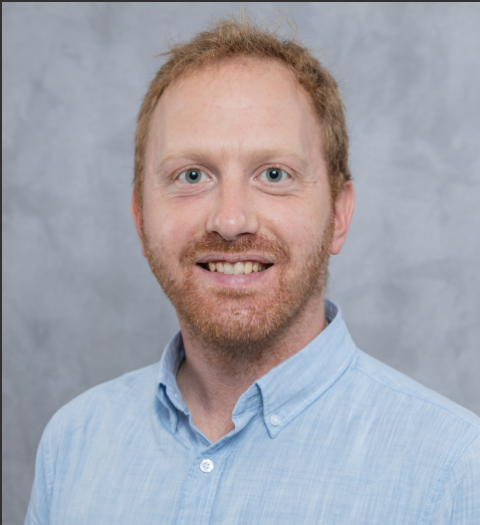
Dr Alno Carstens
Microbiologist. Stellenbosch University
Alno Carstens grew up in the Western Cape, South Africa and matriculated from Swartland High School in Malmesbury. He obtained his BSc Human Life Science degree from Stellenbosch University in 2014 and continued into his postgraduate studies in the Department of Microbiology, Stellenbosch University, obtaining his PhD under the supervision of Prof Gideon Wolfaardt in 2024. His PhD focused on the use of a hybrid constructed floating wetland to remove contaminants of emerging concern (CECs) from the polluted Eerste river as well as to study its fate in a nature-based system. His current research project focuses not only on the quantification of CECs in various South African rivers, but also on the development of new methods for CEC extraction from a variety of matrices such as biofilms, fish muscle, fish plasma, algae and crops.
Linkedin: https://www.linkedin.com/in/alno-carstens-56341335b/
ORDID: https://orcid.org/0000-0002-3513-8945
Research Gate: https://www.researchgate.net/profile/Alno-Carstens
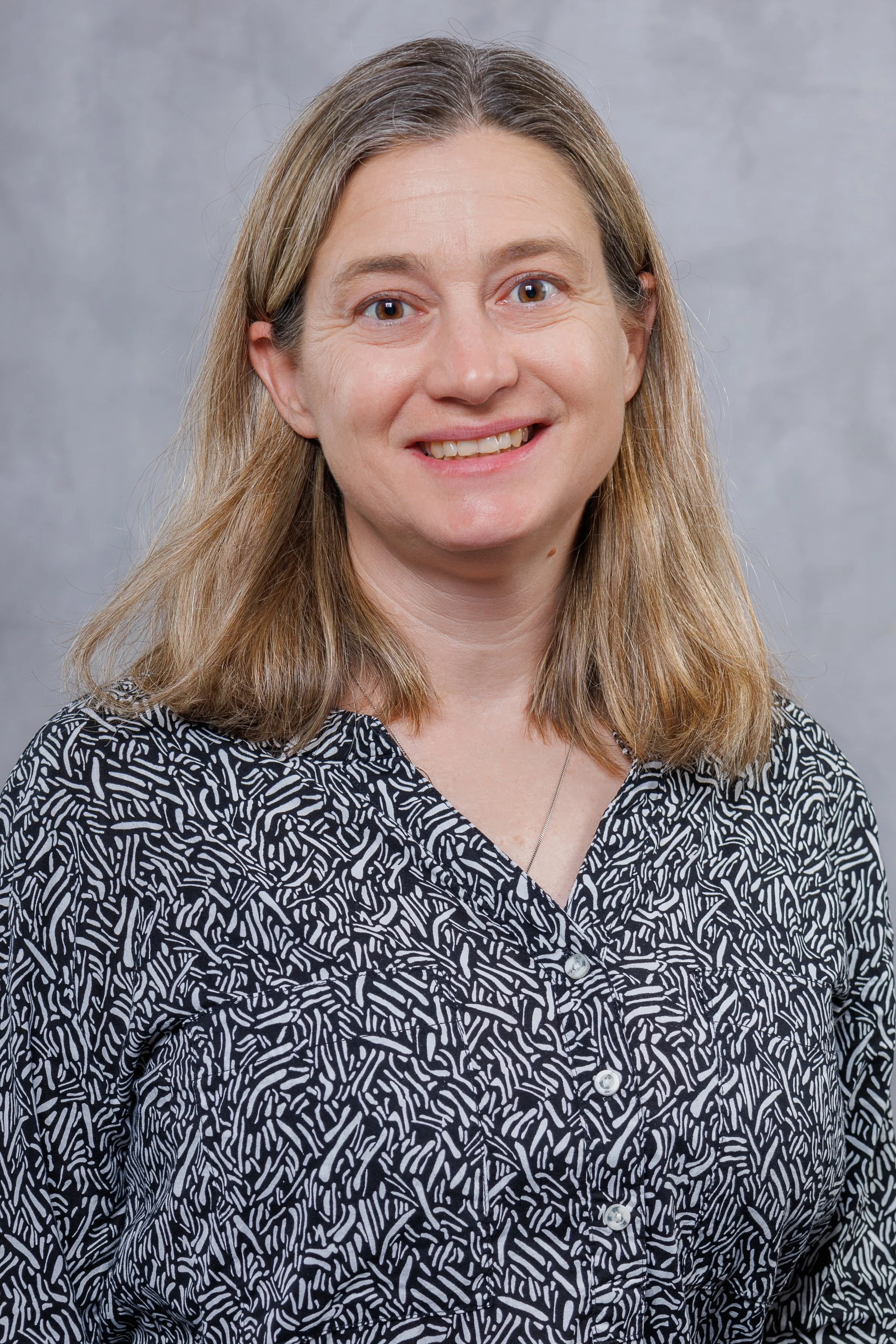
Dr Susanne Fietz
Geology of Climatic Changes and Ecosystems, Earth Sciences. Stellenbosch University
Suzanne Fietz has research interests of geology of climatic changes and ecosystem responses to serve projections of the future climate; organic molecules tracking environmental changes and organism adaptation to understand responses to expected global changes; phytoplankton, microbes and biogeochemistry of the modern oceans to understand food webs and CO₂ dynamics; atmospheric chemistry and air quality survey to improve marine coastal and human health.

Fransien Kamper
Financial Officer, Stellenbosch University
Fransien Kamper is responsible for financial administration at the BIOGRIP Water and Soil Node.
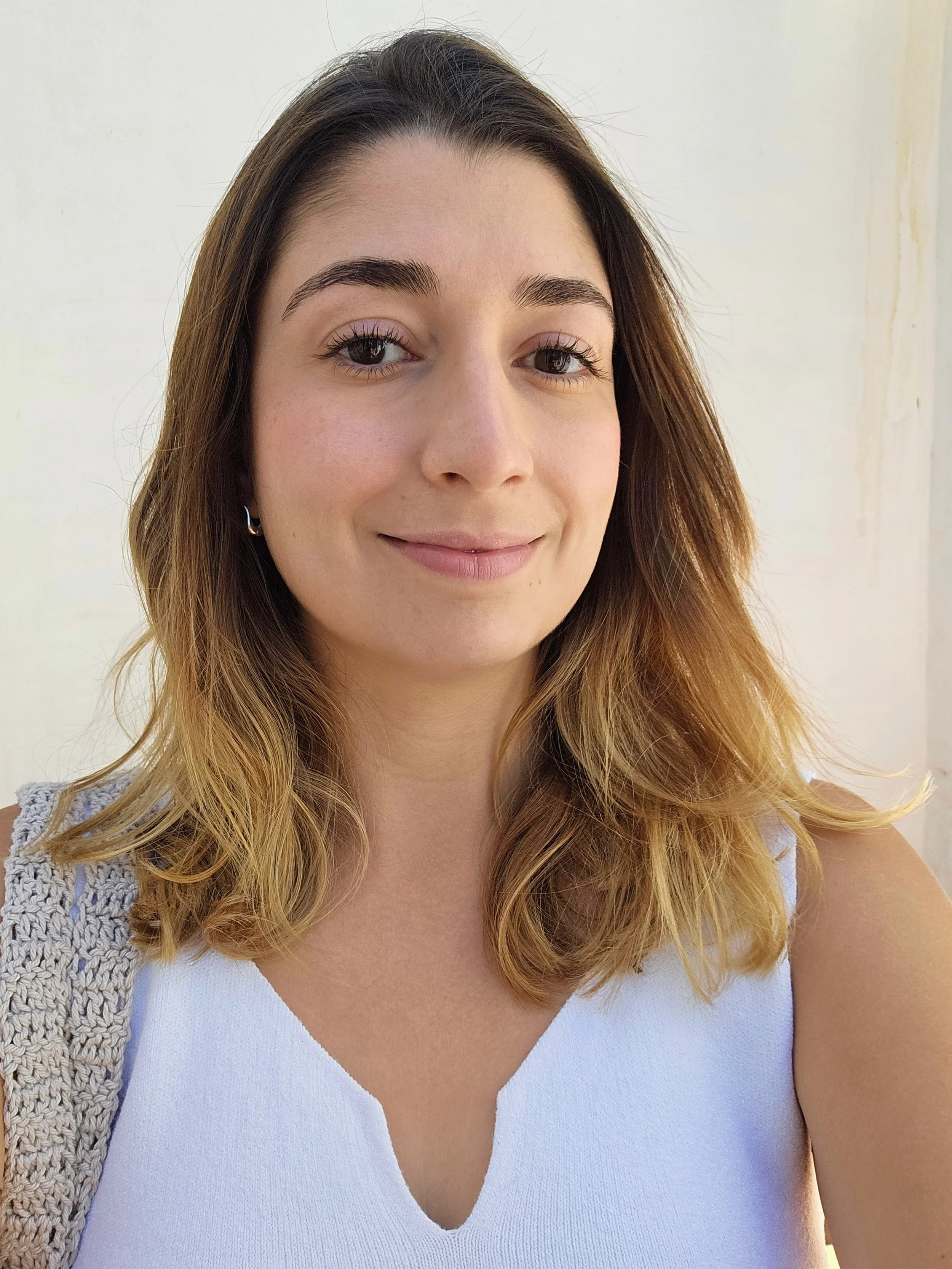
Dr Oliveira Mazoz
Isotope Geochemist Earth Science, Stellenbosch University
Ariela Oliveira Mazoz is a geologist specialising in isotope geochemistry, with expertise in igneous and metamorphic petrology and the application of Sr, Sm–Nd, and U–Pb isotopes to crustal evolution and fluid–rock interaction, particularly in polymetamorphic terranes such as the Limpopo Belt. She has developed natural reference materials for LA-ICP-MS and established protocols for high-precision chemical and isotopic analyses. She is a Postdoctoral Research Fellow in the Department of Earth Sciences at Stellenbosch University, where her current projects include investigating source-related heterogeneities and magmatic processes in the Cape Granites using multiple isotope systems, and applying LA-ICP-MS methods to mollusc shells to evaluate Sr isotopes, heavy metal contents, and environmental influences.
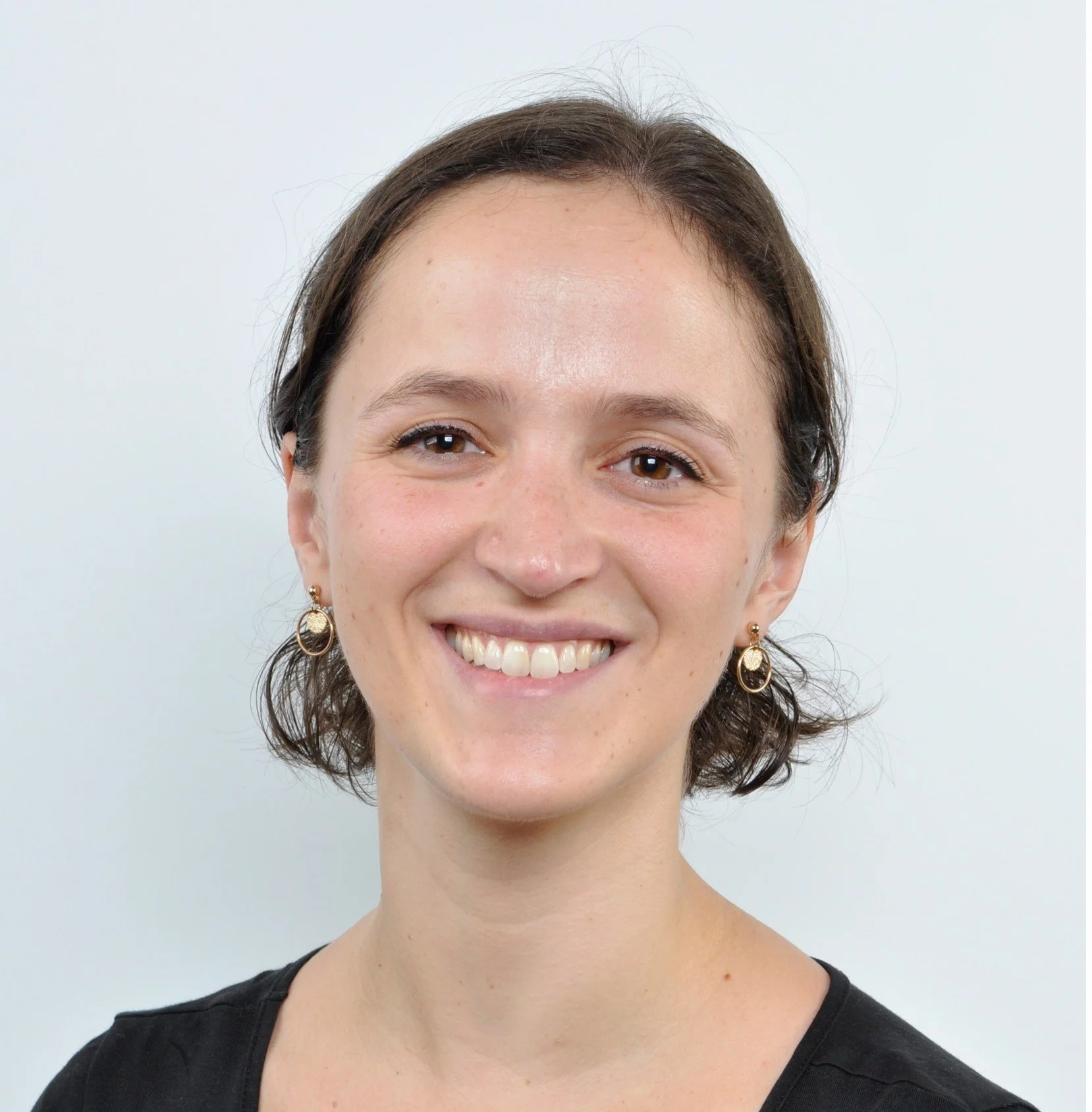
Heleen Vos
Environmental Geochemist, Earth Sciences. Stellenbosch University
Heleen Vos grew up in the Netherlands and studied Earth Sciences at the Vrije University Amsterdam. After obtaining a master's degree in Geology, she did a traineeship at the European Space Agency and then enrolled for a PhD in Basel, Switzerland. Her research focusses on the Saldanha Bay area, a region that is known for dust emissions related to iron and magnesium ore processing and transport. The goal is to create a better understanding of the sources and the chemical content of dust, and the concentration of suspended particles in inhabited areas. With this information, an assessment of the effects of dust on public health can be made and possible mitigation processes can be developed.
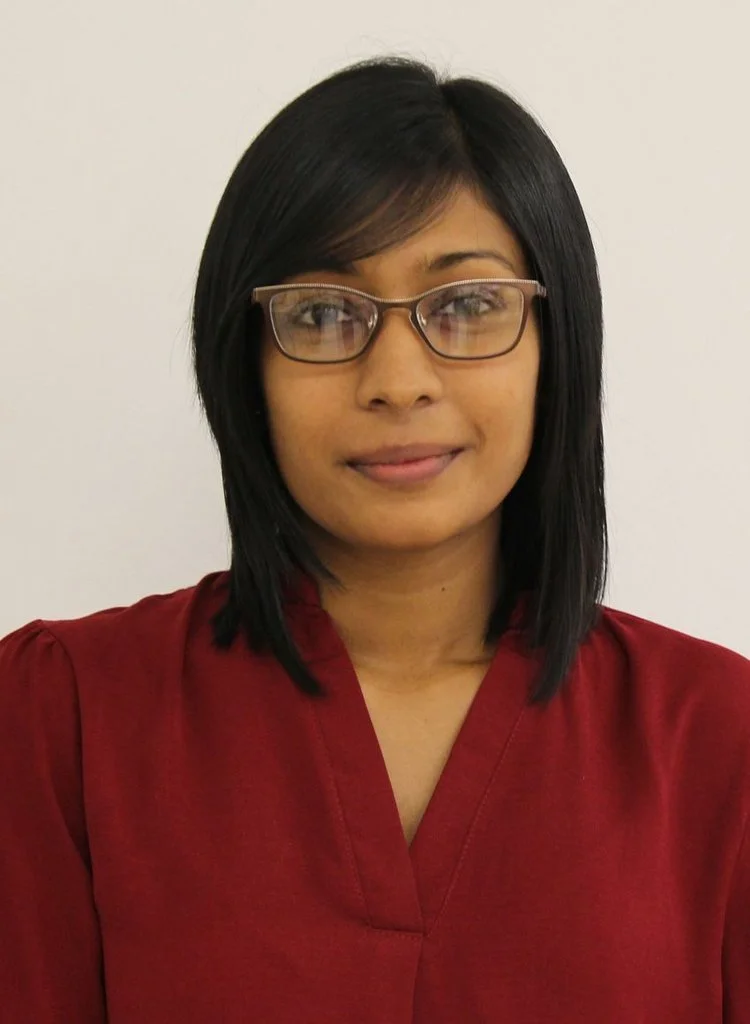
Volante Moonsamy
Microbiologist, Central Analytical Facilities, Stellenbosch University
Volante Moonsamy is the Junior Analyst at the BIOGRIP Water and Soil Node, which is affiliated with the Central Analytical Facility at Stellenbosch University (SU). She obtained her MSc in Microbiology at University of KwaZulu-Natal (UKZN). Her research focused on the catabolism of organic pollutants using microorganisms.
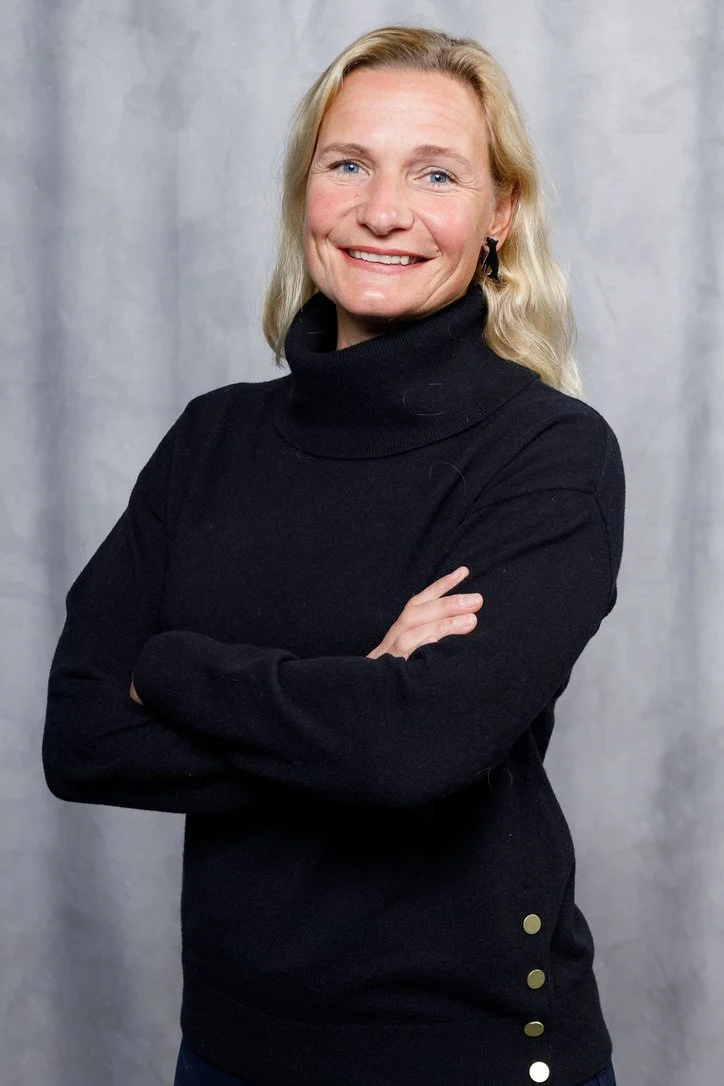
Professor Sophie von der Heyden
Marine Genomics and Conservation, Stellenbosch University
Website: www.vonderHeydenlab.com
ORCID: orcid.org/0000-0001-9166-976X
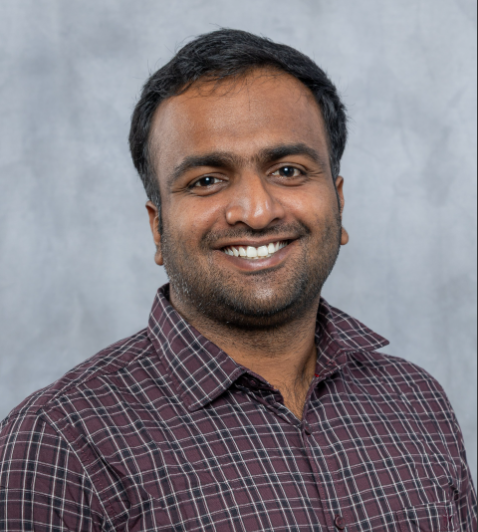
Dr Prema Piyusha Panda
Bio-Geochemist, Stellenbosch University
Prema Piyusha Panda grew up in India and studied Earh Sciences at the Pondicherry University, Puducherry. After completing his master's degree in applied geology, he joined the National Institute of Oceanography, Goa as a Project Associate in 2018. He enrolled for his PhD at the School of Earth Ocean and Atmospheric Science (SEOAS), Goa university in 2021. His research investigates dust and associated nutrient deposition flux, especially trace elements on the Northern Indian Ocean region, as well as their bioavailability and impact on the phytoplankton.
Research Gate: https://www.researchgate.net/profile/Prema-Piyusha-Panda
Google Scholar: https://scholar.google.com/citations?user=_hyOmcgAAAAJ&hl=en
ORCID: https://orcid.org/0000-0002-7122-0284
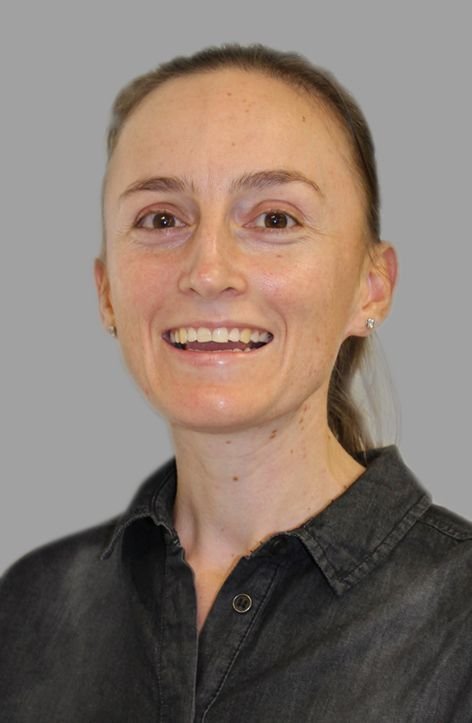
Dr Janine Colling
Plant Biotechnologist, Central Analytical Facilities, Stellenbosch University
Janine Colling is the lab manager at the BIOGRIP Water and Soil Node, which is affiliated with the Central Analytical Facility at Stellenbosch University. She obtained her PhD in Plant Biotechnology at SU with a focus on researching the chemistry and genetic engineering of indigenous South African medicinal plants.
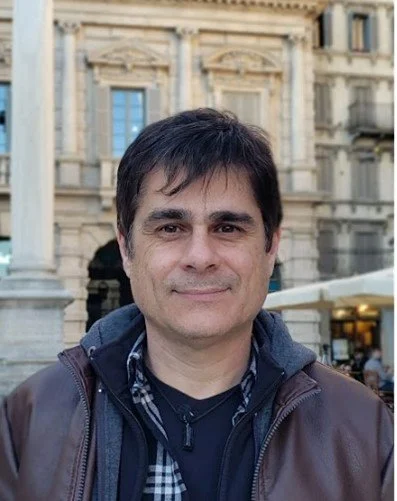
Prof Cristiano De Carvalho Lana
Isotope Geochemist, Earth Sciences. Stellenbosch University
Prof Cristiano De Carvalho Lana specialises in Laser Ablation ICP-MS, focusing on isotope geochemistry for a range of applications, including environmental studies and the analysis of metamorphic, igneous and hydrothermal systems. His expertise extends to developing reference materials for isotope and trace element analyses, ensuring high accuracy in various geochemical measurements. Additionally, he has substantial experience in method development for Laser Ablation ICP-MS, having implemented and applied specific analytical methods for isotope systems such as Boron, Lu-Hf, Sm-Nd, U-Pb, S and Rb-Sr.
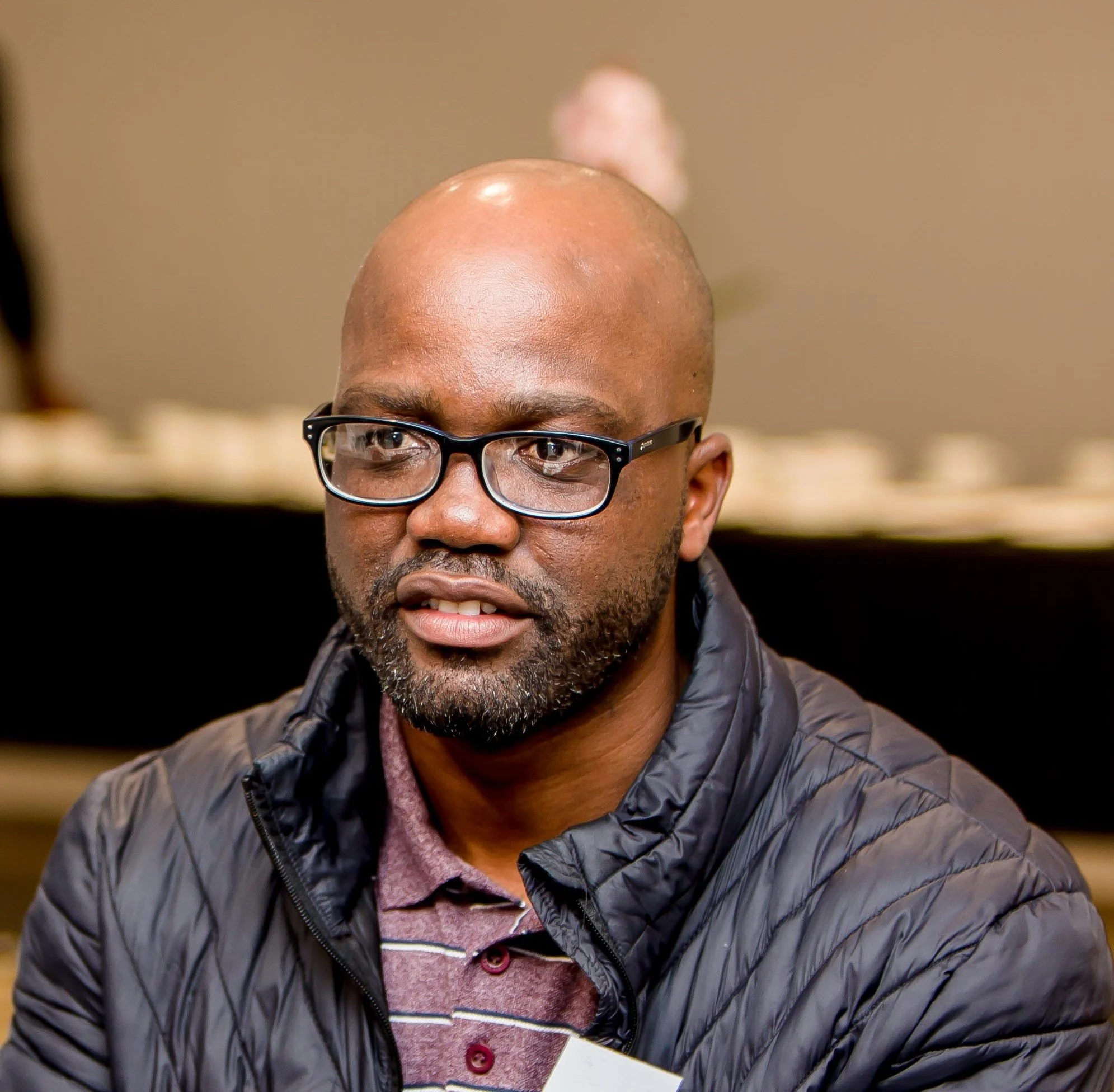
Dr Andrew Ndhlovu
Bioinformatics, Stellenbosch University
Dr Andrew Ndhlovu obtained his PhD in bioinformatics and molecular ecology from the University of the Witwatersrand, Johannesburg. His research interests span seagrass genomics, microbial ecology, and blue carbon dynamics, particularly the role of seagrass ecosystems as nature-based solutions for climate change mitigation. Dr Ndhlovu’s current work investigates variability in blue carbon stocks within seagrass meadows and examines how microbial communities influence ecosystem functioning and sedimentary carbon cycling. Through this research, he aims to advance the conservation, management, and restoration of seagrass ecosystems in Southern Africa.
Research gate:https://www.researchgate.net/profile/Andrew-Ndhlovu
LinkedIn: https://www.linkedin.com/in/andrew-ndhlovu-b24875309/
Scientific Committee
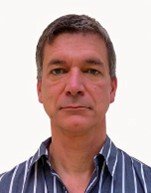
Andy Buffler
Metrological and Applied Sciences Research Unit (MEASURE)
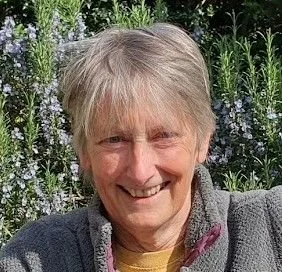
Jane Evans
British Geological Survey
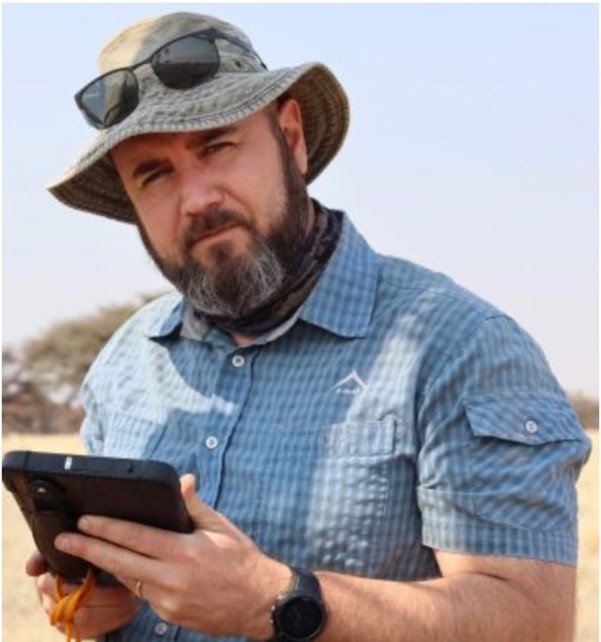
Gregor Fieg
Expanded Freshwater and Terrestrial Environmental Observation Network (EFTEON)
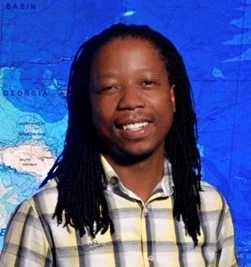
Thato Mtshali
Department of Forestry, Fisheries and Environment (DFFE)
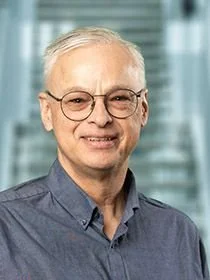
Leonard Wassenaar
International Atomic Energy Agency (IAEA)
Management Committee
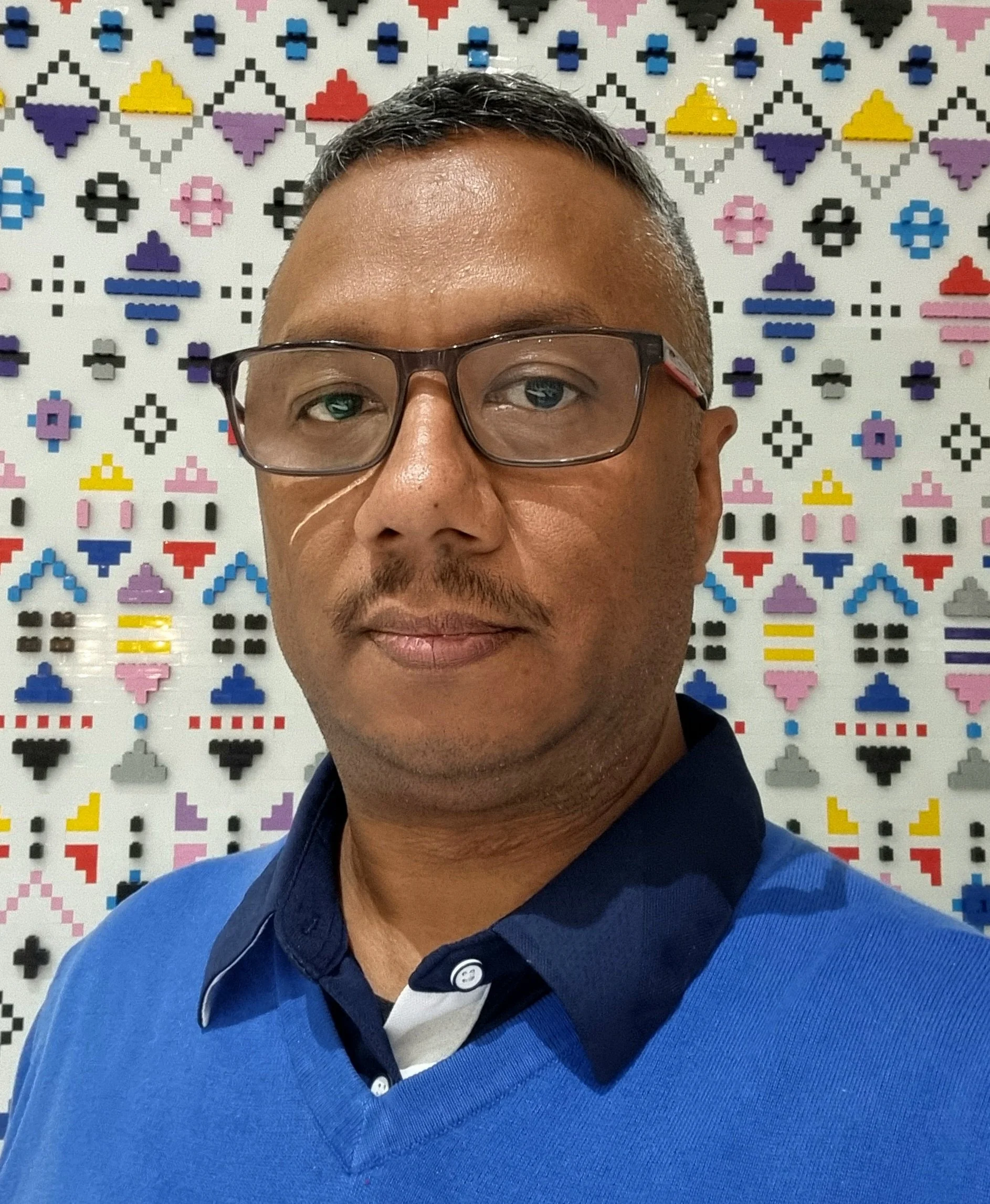
Dr Shafick Adams
Stakeholder/Major User
Executive Manager, Water Research Commission
Prof Tommy Bornman Stakeholder/Major User SMCRI/SAEON
Prof Roger Diamond
UCT, BIOGRIP Director
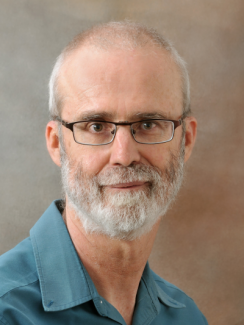
Prof Henning Krieg
NWU, Director Research, School of Physical and Chemical Sciences
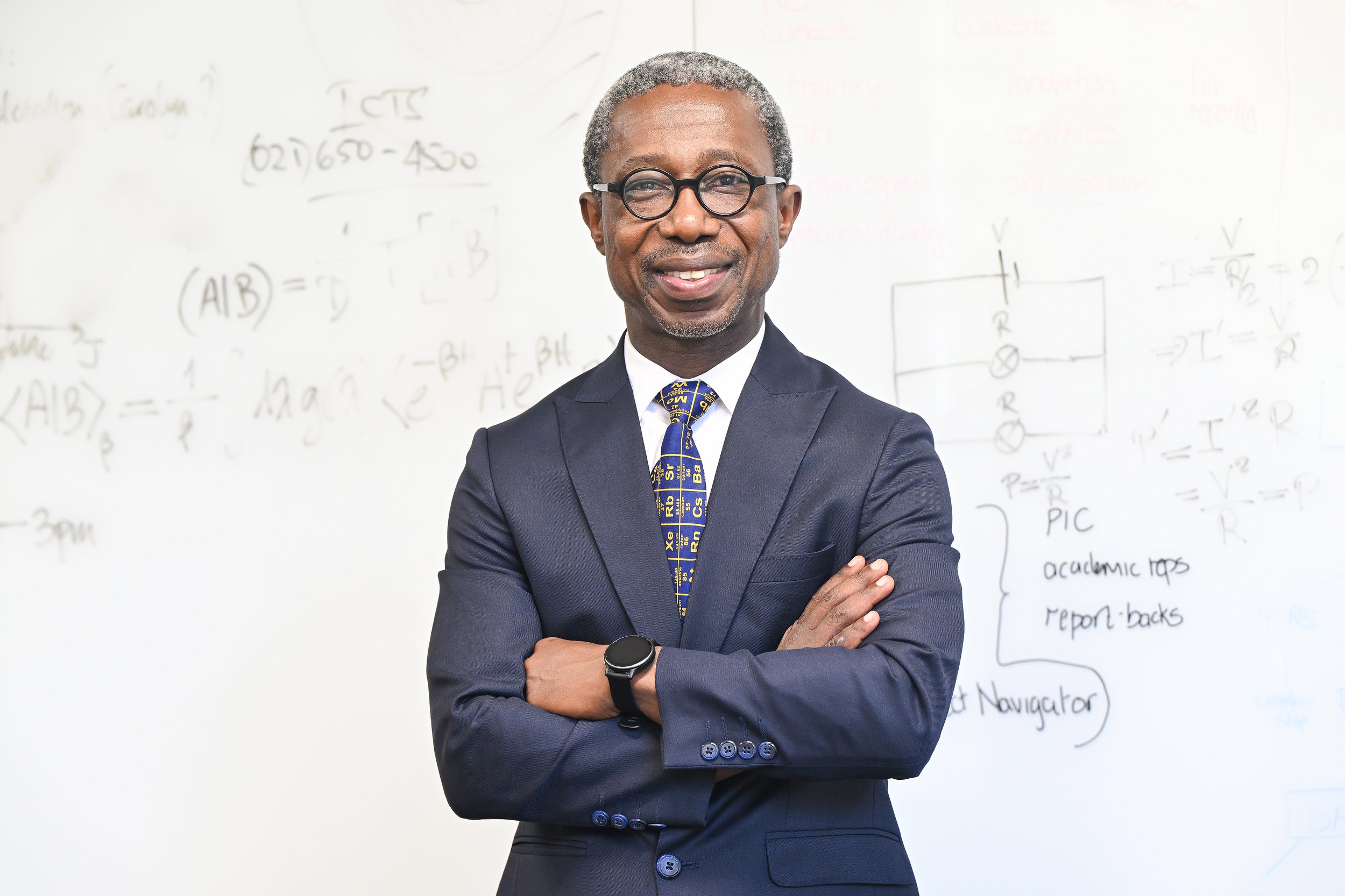
Prof Thokozani Majozi
UCT, DVC Research and Internationalisation
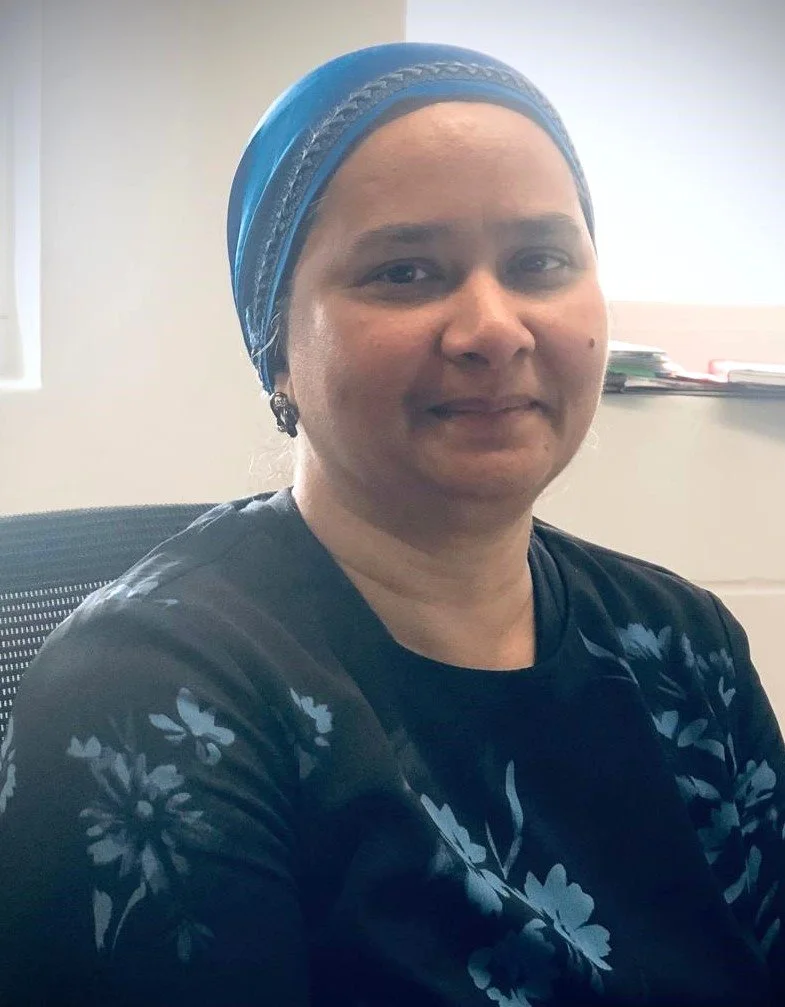
Farhana Moodley
UCT, Finance Manager, Faculty of Science
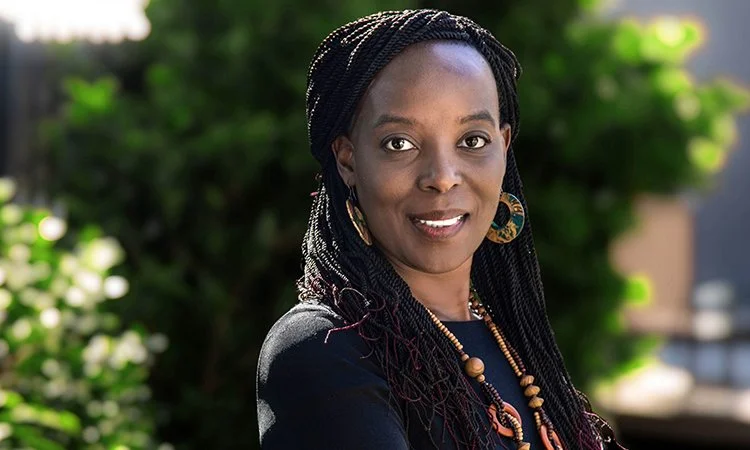
Prof Sibusiso Moyo
SU, Vice-Rector, Research, Innovation and Postgraduate Studies
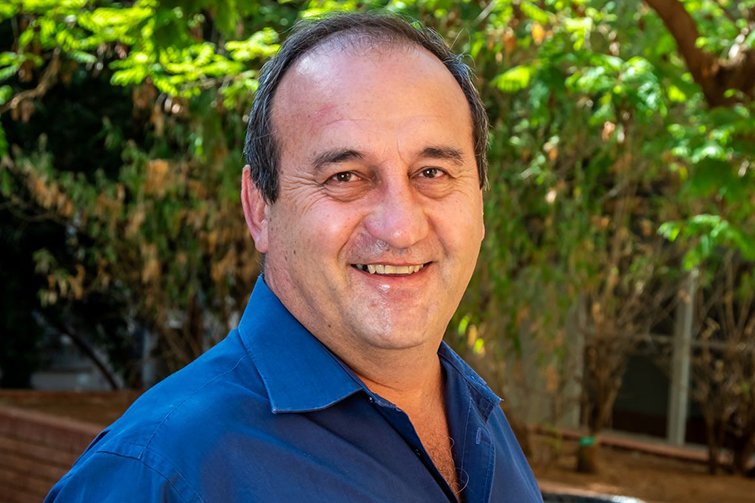
Prof Paul Oberholzer
UFS, Dean, Natural & Agricultural Sciences
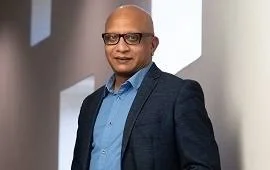
Prof Vasu Reddy
UFS, Vice-Rector, Research, and Internationalisation
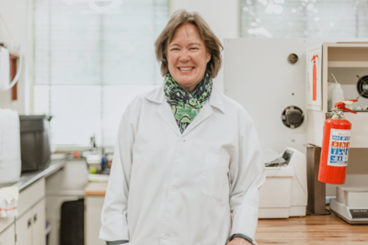
Prof Judith Sealy
UCT, SARChI Research Chair Stable Isotopes in Archaeology
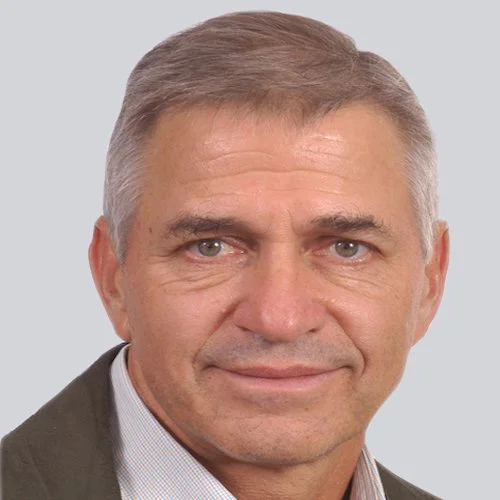
Prof Gary Stevens
SU, SARCHI Chair, Director, Central Analytical Facilities
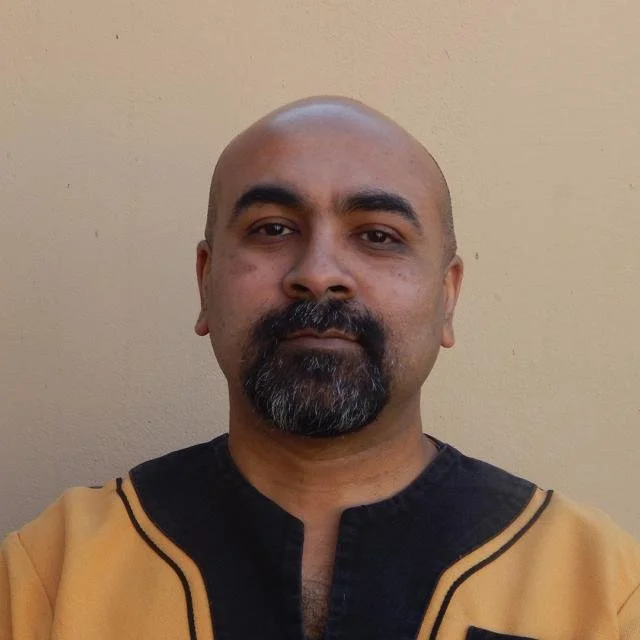
Prof Hussein Suleman
UCT, Dean, Faculty of Science
Prof Pieter van Zyl
NWU, School of Physical and Chemical Sciences
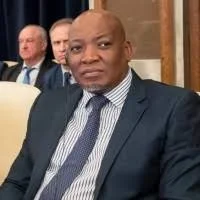
Mr Charles Mokonoto
DSTI Director, Research Infrastructure